Texas Toddler Walks After New SMA Treatment Breakthrough
A Fort Worth 19-month-old with a deadly genetic condition is now walking, thanks to becoming the first child in Texas to receive a newly approved higher-dose treatment. Jessie Gonzales was diagnosed at 7 days old with SMA type 1, which had an 8% survival rate before treatments existed.
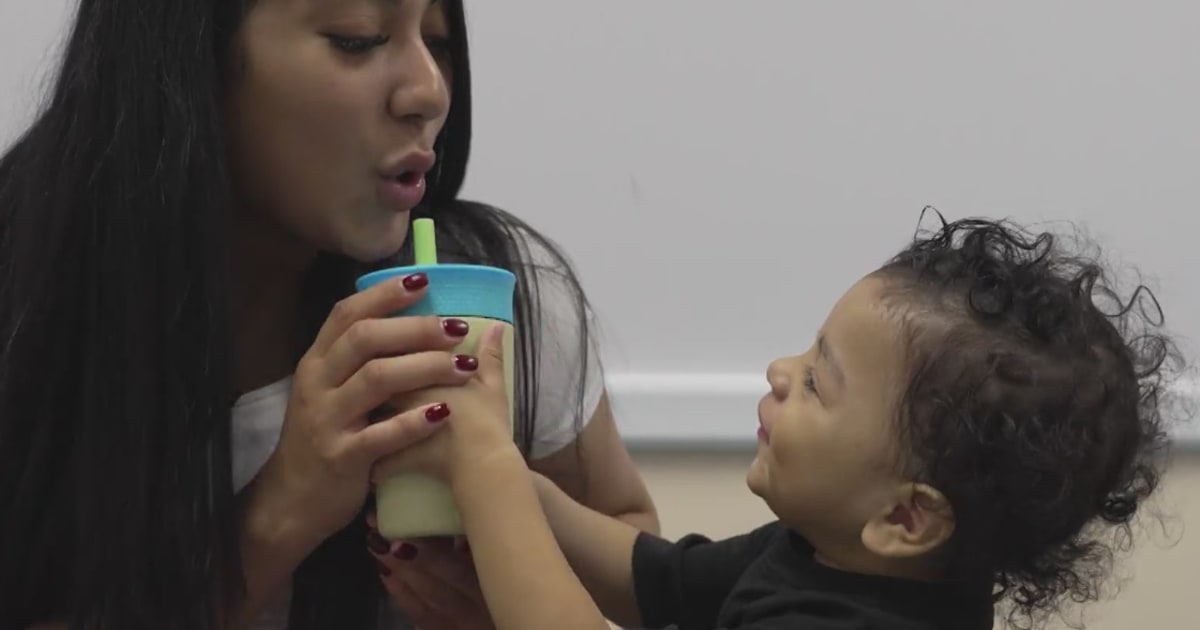
Nineteen-month-old Jessie Gonzales is walking, playing soccer, and eating cookies. Just months ago, doctors weren't sure any of that would be possible.
Jessie was diagnosed with spinal muscular atrophy type 1 when he was just 7 days old. His mom, Lupita Vasquez, was terrified when Google searches told her most babies with this condition don't live past two years.
SMA is a progressive neuromuscular condition that attacks the body's ability to move. Without treatment, children with type 1 can't sit up, hold their heads up, or crawl on their own. Many need help breathing and swallowing.
"Before any treatments were approved, SMA was the number one cause, from a genetic perspective, of infant mortality," said Dr. Stephanie Accord, a pediatric neurologist at Cook Children's in Fort Worth. She explained that only 8% of children with this diagnosis survived past 20 months.
Jessie started treatment immediately after his diagnosis. While it kept him alive, he wasn't making the developmental progress his doctors hoped to see. Dr. Accord recommended switching to Spinraza, a drug that required injecting medicine directly into his spine four times over two months.
Then came the breakthrough. The day before Jessie's first scheduled treatment, the FDA approved a higher dose of Spinraza. Jessie became the second child in the country and the first in Texas to receive this new protocol, getting more medicine faster.
The results came quickly. Within just weeks, Jessie started pulling himself up to stand and taking his first steps. Now he's walking on his own.
Sunny's Take
For Vasquez, watching her son take those first steps made every difficult moment worth it. "Right after maybe a couple weeks, he started pulling up to stand and taking little steps here and there," she said. "Now he's walking."
Dr. Accord says moments like these are why she chose pediatric neurology, despite the many hard days. "In particular cases like Jessie, we really are making a difference, and this is why I love my job," she said. "These days remind why I do what I do."
Jessie's story represents hope for families facing similar diagnoses. What was once a death sentence is now a condition where toddlers can play soccer and chase their dreams.
Every step Jessie takes is a victory worth celebrating.
More Images
Based on reporting by Google News - New Treatment
This story was written by BrightWire based on verified news reports.
Spread the positivity!
Share this good news with someone who needs it
%2Fhttps%3A%2F%2Ftf-cmsv2-smithsonianmag-media.s3.amazonaws.com%2Ffiler_public%2Fcc%2Fa5%2Fcca51174-4295-4234-b8d2-eab719894c73%2Fscreenshot_2026-08-24_at_171648.png)