Thai Hairdressers Thrive as AI-Proof Career Choice
While robots threaten many jobs, Thailand's neighborhood hairdressers are proving their profession can't be automated. These skilled stylists are adapting to changing times while keeping their craft distinctly human.
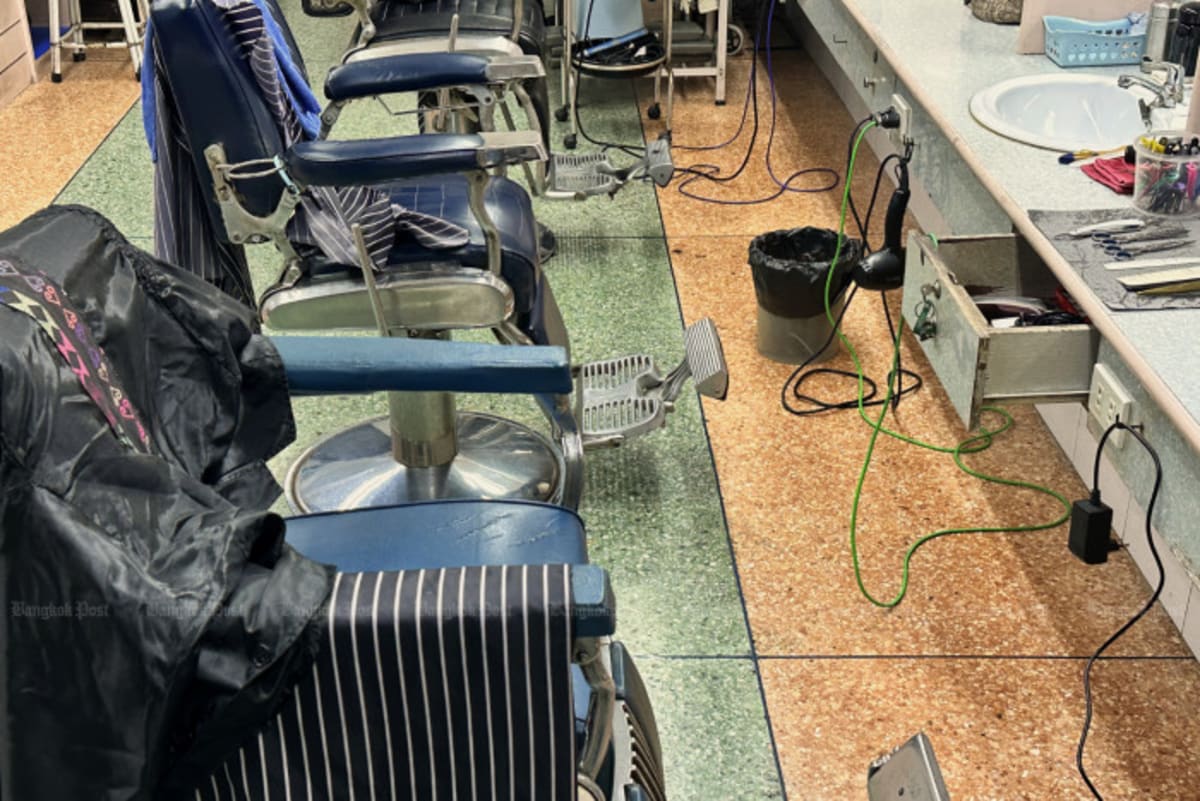
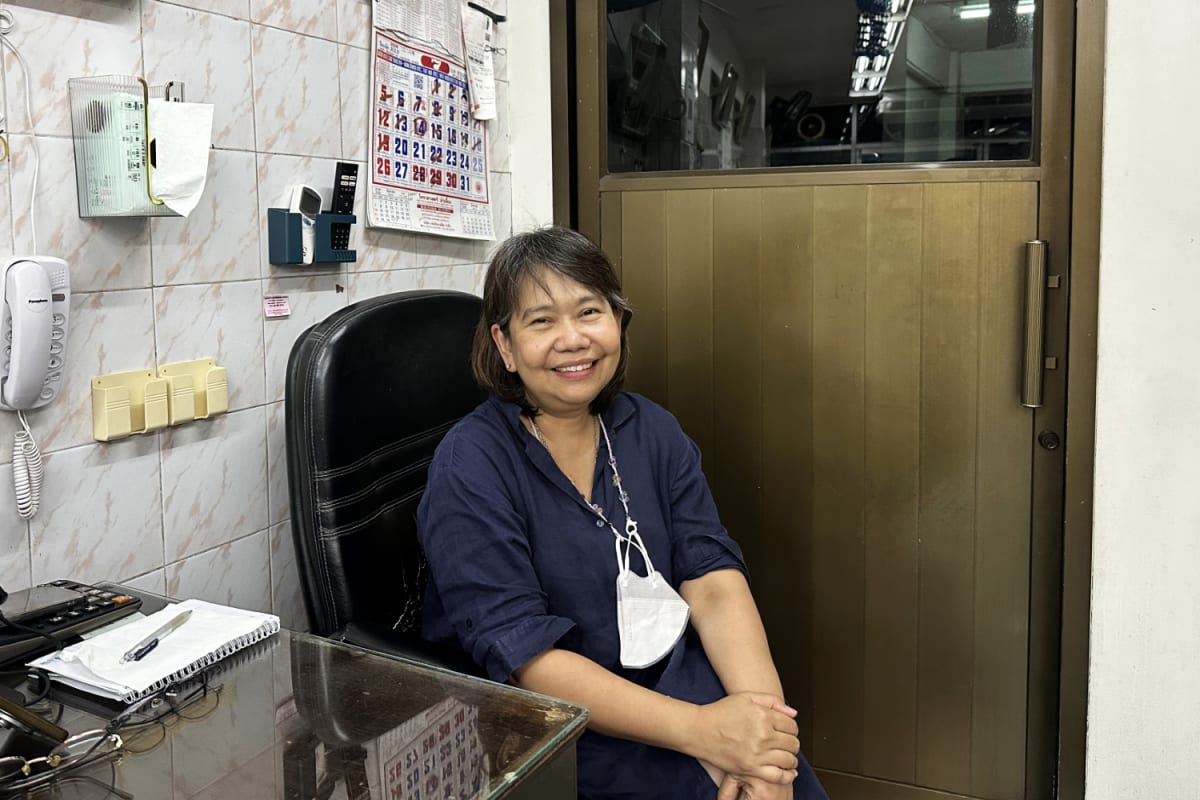
After 25 years behind the chair, Nong has learned that hairdressing requires something no robot can replicate: patience, emotional intelligence, and human connection.
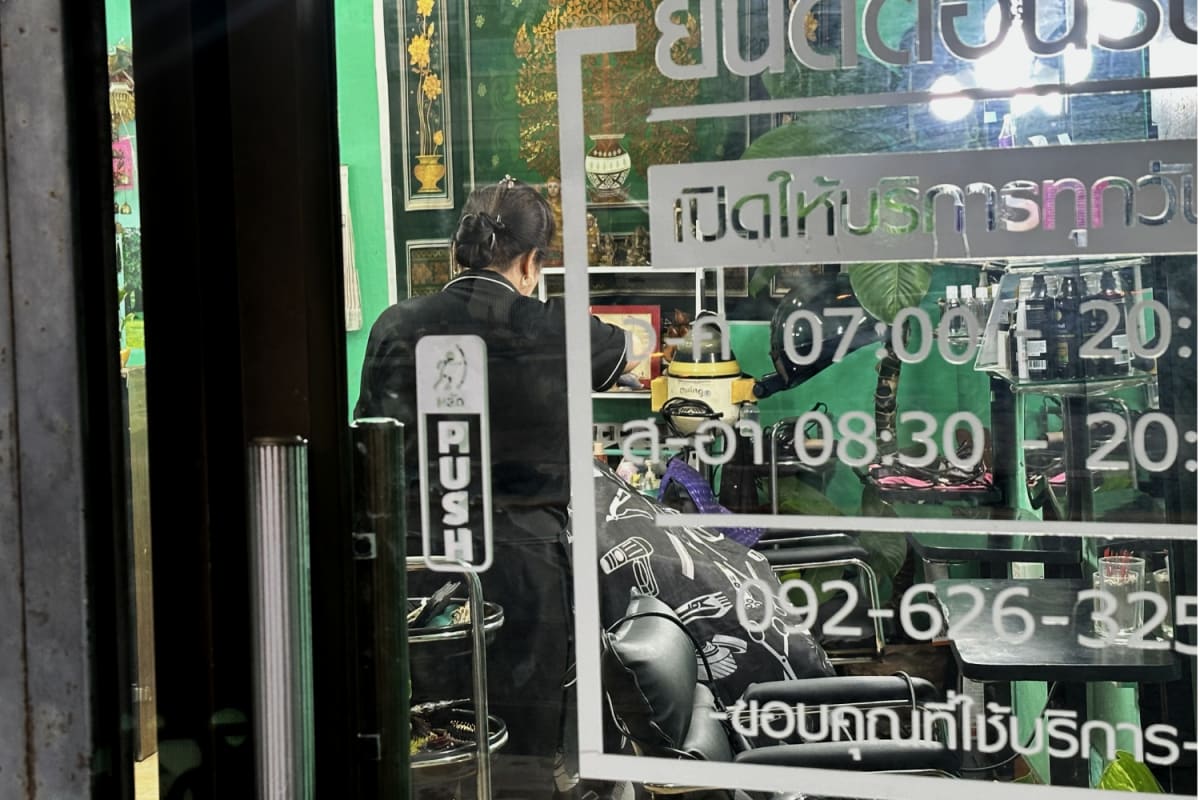
The 53-year-old owner of Pimol Hair in Bangkok serves everyone from kindergarteners to grandparents at her neighborhood salon. She's watched society shift dramatically, but her profession remains secure on one crucial list: jobs that artificial intelligence can't replace.
"Being a hairdresser also means becoming an emotional outlet for customers," Nong explains. Some services like hair straightening take many hours, requiring not just technical skill but genuine human presence.
Nong didn't initially want to become a hairdresser. Her mother suggested it, but she resisted until after having a baby and needing a flexible career. She enrolled in beauty schools, trained under foreign instructors, and discovered an unexpected passion.
The profession has weathered real challenges. Customer numbers dropped when Bangkok's Purple MRT Line opened and eliminated roadside parking. The pandemic taught people to style their own hair at home, and many never returned to salons.
Still, Nong serves about 20 customers daily, now working alone after staff departures. "It's exhausting, but I feel proud when I count the day's earnings," she says.
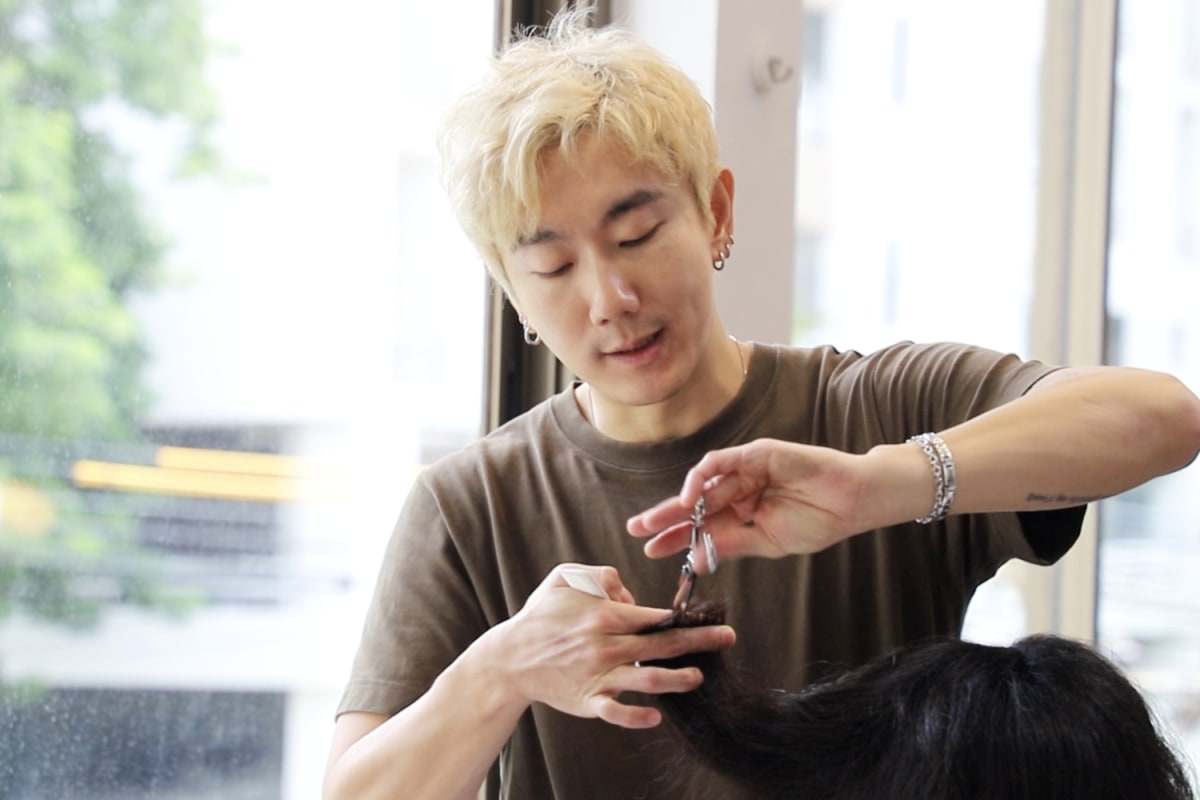
For 39-year-old Tate, who opened Roof Hair Salon in 2018, the profession has gained respect. Two decades ago, male hairdressers faced stereotypes and assumptions. Today, Thailand's growing creative industries have elevated the craft.
"My thinking was that if I ended up working in an office, I probably wouldn't enjoy it," says Tate, an architecture graduate. "If I enjoyed hairdressing, I'd probably be good at it."
The Bright Side
Hairdressing remains legally reserved for Thai nationals, protecting local workers while the profession evolves. Tate believes opening it to qualified foreign stylists could encourage skill exchanges and cultural connections, making Thailand's industry more internationally competitive.
The profession also offers something increasingly rare: stability without a university degree. While some neighborhoods see quieter salons as economic pressures mount, the fundamental need for skilled human touch keeps hairdressers employed.
AI has begun reshaping some aspects of the industry, but the core work remains refreshingly analog. You can't automate the conversation, the careful attention to each customer's needs, or the pride of transforming someone's appearance and mood.
For neighborhood hairdressers across Thailand, the future looks different but secure, built on skills that remain distinctly, irreplaceably human.
More Images
Based on reporting by Bangkok Post
This story was written by BrightWire based on verified news reports.
Spread the positivity!
Share this good news with someone who needs it