Thai Island Community Fights Back to Save Beloved Dugongs
After losing half their seagrass meadows in just five years, the people of Koh Libong are taking marine conservation into their own hands. Their citizen-led restoration efforts are already showing signs of hope, with dugong numbers starting to recover.
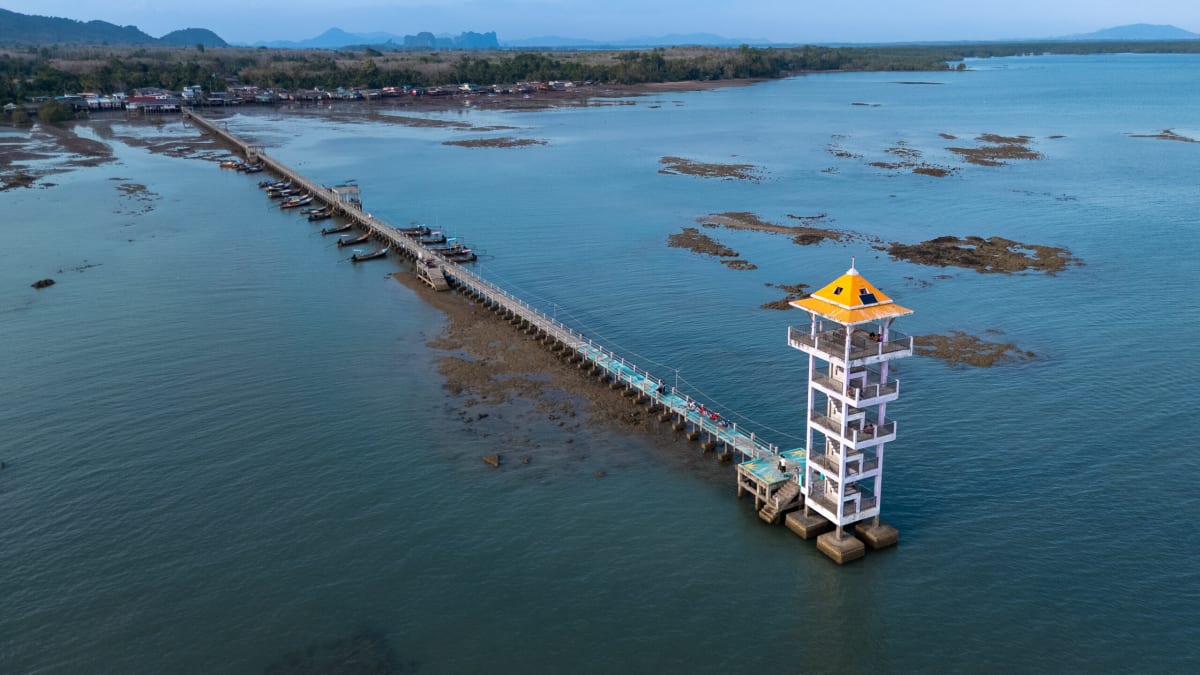
When Tipusa Sangsawang watches waves wash over the sandy flats near her home on Koh Libong island, she remembers when this barren stretch was a lush underwater meadow teeming with life. "It used to be green all around this area," she says. "Now, it's only sand."
The seagrass die-off has been devastating for Thailand's Andaman Sea coast. Between 2020 and 2024, seagrass cover around Koh Libong shrank by up to 50%, taking with it the main food source for Southeast Asia's largest dugong population.
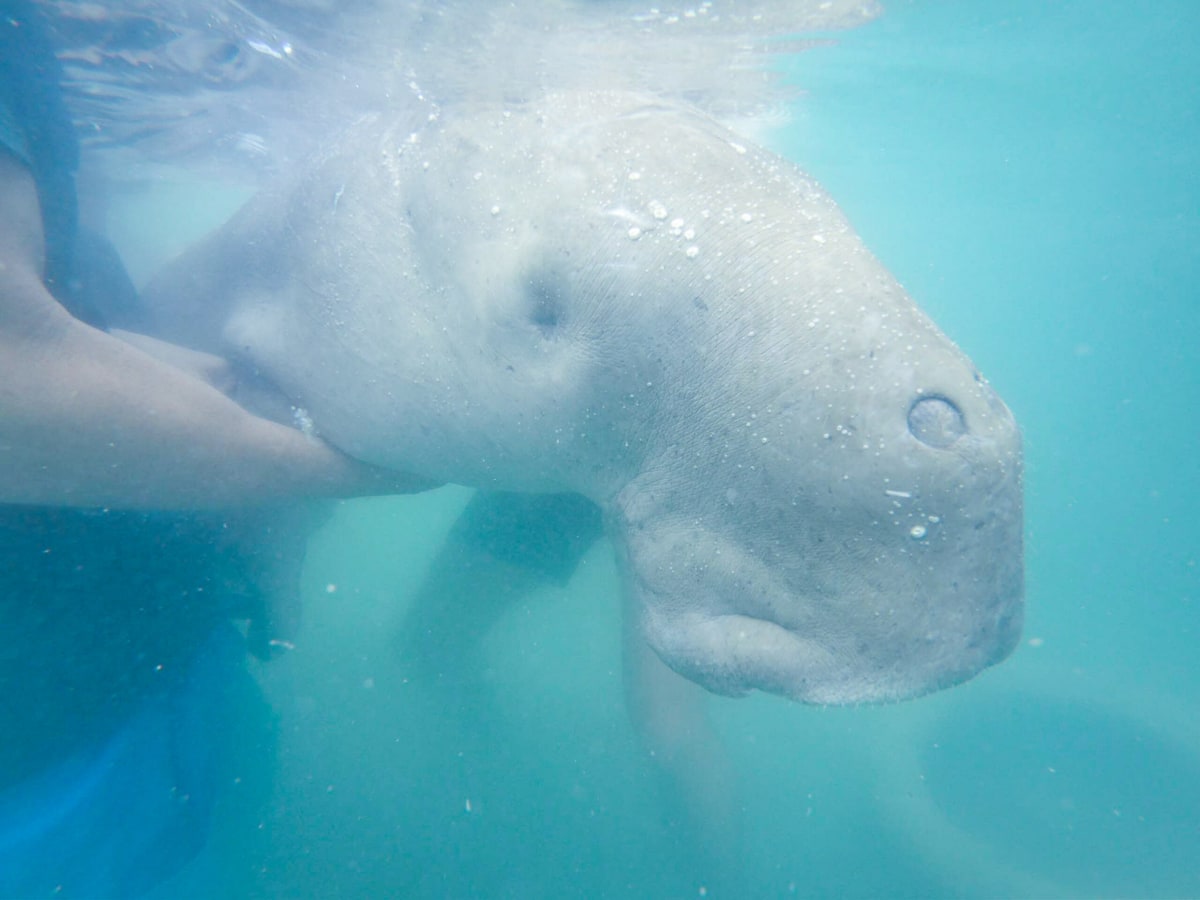
These gentle marine mammals, sometimes called sea cows, once thrived here in herds of nearly 200. But as their underwater pastures disappeared, so did they.
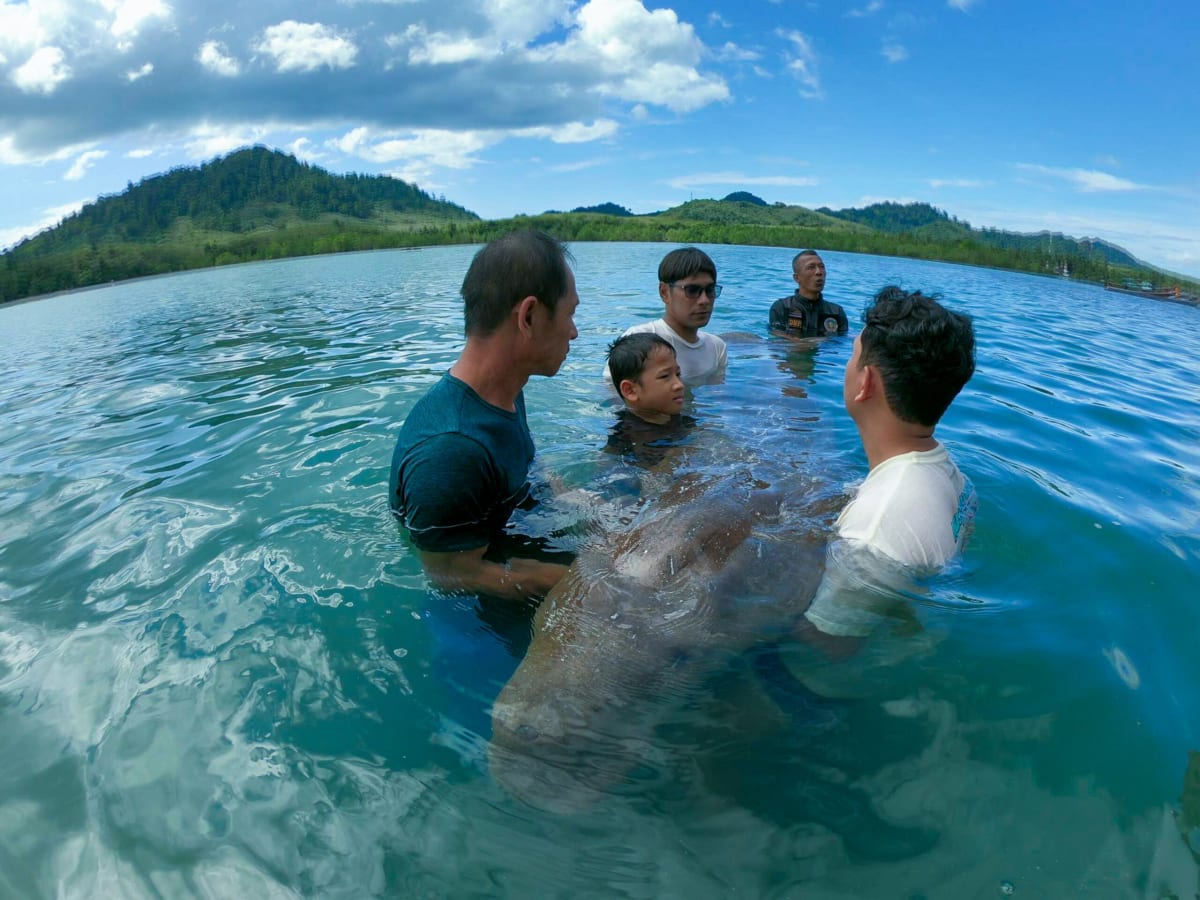
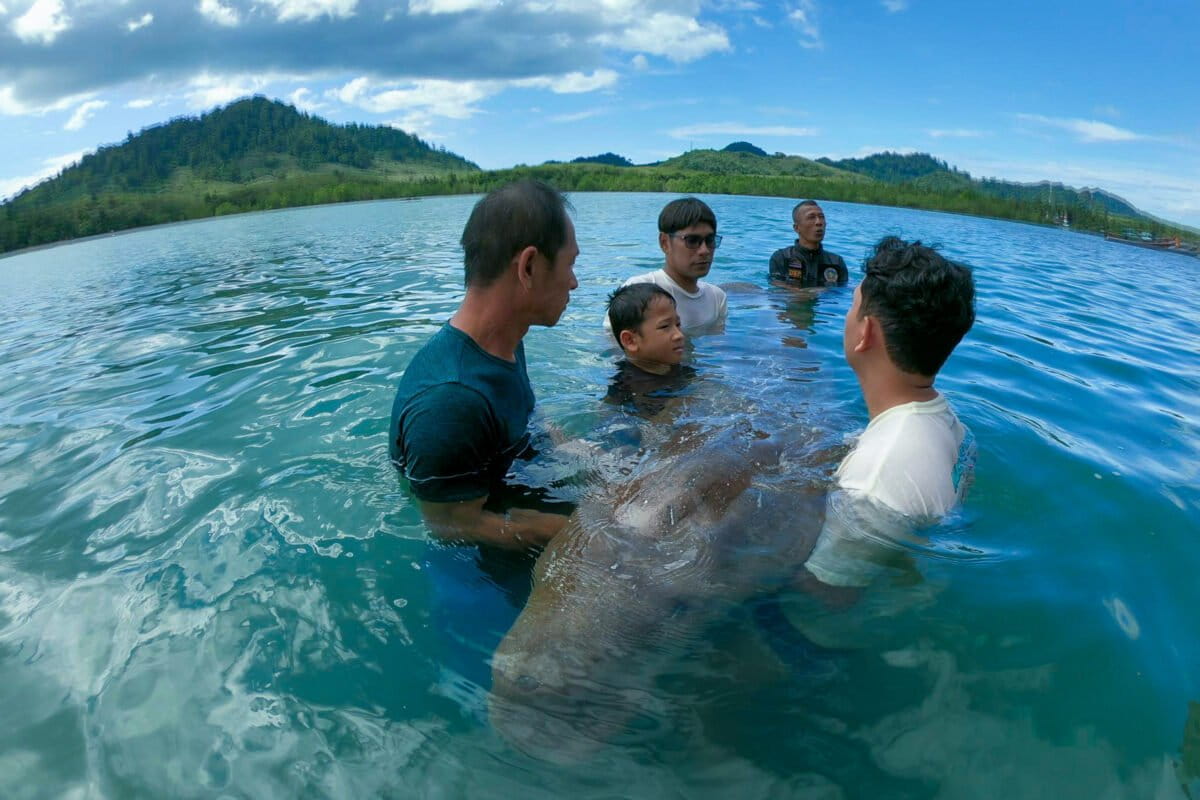
Tipusa knows firsthand what's at stake. In 2019, she helped care for Marium, an orphaned baby dugong who captured Thailand's heart through social media before dying from a plastic-related infection. "The day she died, I promised her I'd look after her family," Tipusa says.
Now as coordinator of Dugong Guardians, a volunteer network spanning eight villages, Tipusa is making good on that promise. The community initiative brings together local fishers, gleaners, and tourism workers with scientists to protect marine habitats and monitor dugong health.
Frustrated by slow government recovery plans, the islanders are learning citizen science skills and testing their own seagrass restoration techniques. They're not waiting for permission to save their home.
The Ripple Effect
The community's dedication is already paying off. Recent surveys show dugong numbers increasing again in local waters, proving that grassroots action can reverse environmental decline.
The success at Koh Libong is inspiring neighboring coastal communities across Thailand's Andaman coast to launch their own conservation programs. Scientists credit the island's recovery to sustained local effort and the community's deep connection to their marine environment.
For older fishers who remember wading thigh-deep through seagrass meadows, the restoration work feels personal. Just two hours of gleaning once yielded 22 pounds of conch snails and mollusks sheltering in the dense underwater gardens.
These seagrass beds do more than feed dugongs. They filter pollutants, store carbon, cycle nutrients, and provide nurseries for countless marine species that local families depend on for food and income.
The Koh Libong model shows what's possible when communities take ownership of conservation instead of waiting for top-down solutions. Local leaders are now calling for increased public awareness and stronger enforcement of marine protections.
Tipusa and her neighbors are proving that everyday people can be powerful agents of environmental recovery, one restored seagrass meadow at a time.
More Images

Based on reporting by Mongabay
This story was written by BrightWire based on verified news reports.
Spread the positivity!
Share this good news with someone who needs it