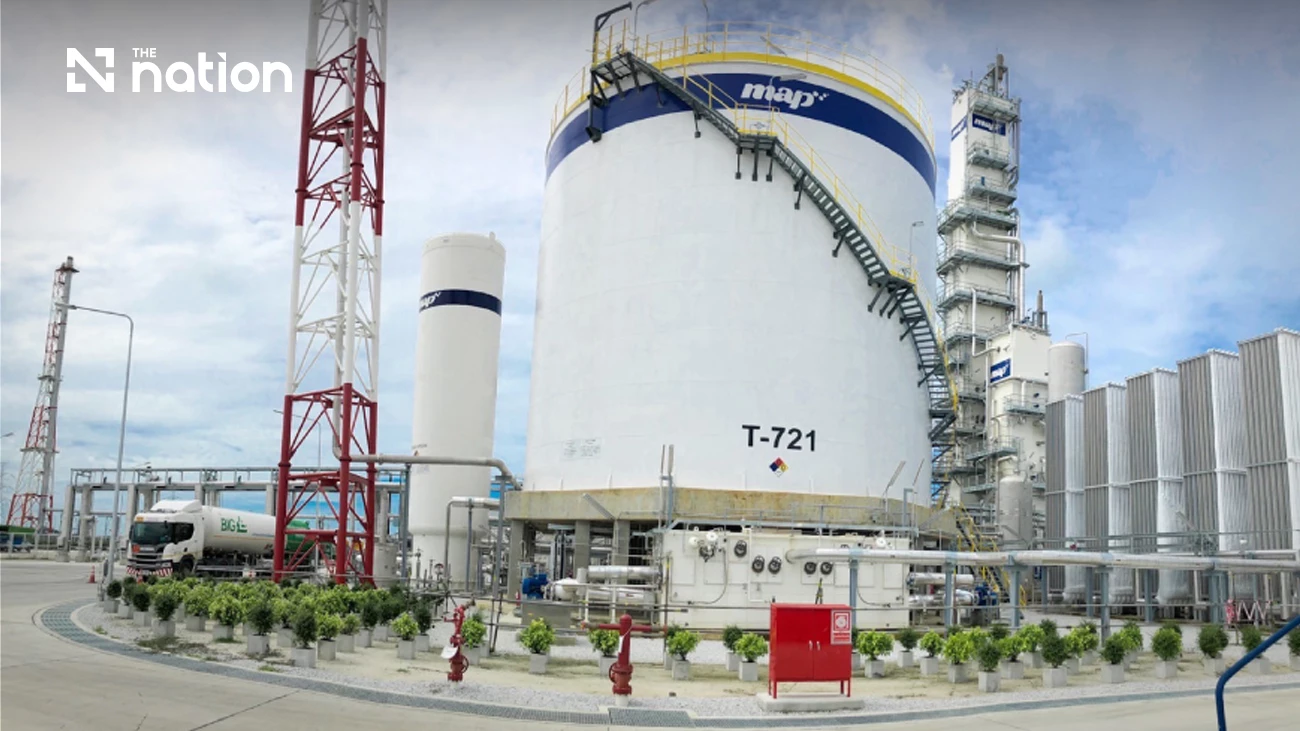
Thai Plant Cuts 93,000 Tons of CO2 Using LNG Cold Energy
A Thai industrial gas plant is turning liquefied natural gas cold energy into lower-carbon oxygen, nitrogen, and argon, cutting emissions by over 93,000 tons annually. The innovation supports healthcare, electronics, and clean tech industries while advancing Thailand's climate goals.
A factory in Thailand has found a way to make essential industrial gases while slashing greenhouse emissions by capturing cold energy that would otherwise go to waste.
Bangkok Industrial Gas is using the extreme cold released when liquefied natural gas converts back to gas at its Map Ta Phut plant in Rayong. This innovative process produces oxygen, nitrogen, and argon with 50% lower emissions than conventional methods.
The technology works by capturing the cold energy released during LNG regasification and using it in air separation. This dramatically reduces the electricity needed to manufacture industrial gases that power everything from hospitals to smartphone factories.
Since starting operations in 2021, the plant has been producing over 450,000 tons of industrial gases annually. The process prevents 93,000 tons of carbon dioxide equivalent from entering the atmosphere each year.
"We develop innovations and solutions that help customers improve efficiency, use less energy and cut greenhouse gas emissions," said Orla Charoenlarp, managing director of Bangkok Industrial Gas. The company's products now carry Carbon Footprint certifications verifying their lower emissions.
These industrial gases might be invisible to most people, but they're essential to daily life. Medical oxygen keeps patients breathing, nitrogen preserves food freshness, and argon helps manufacture the electronics in our phones and computers.
The gases also support emerging industries crucial to Thailand's economic future. Semiconductor manufacturers, electric vehicle producers, data centers, and clean energy companies all depend on these materials for production.
The Ripple Effect
The success of the Map Ta Phut plant is creating momentum for broader change. A second facility called MAP2 is now under construction and expected to begin operations in 2028.
When both plants are running, they'll produce nearly 900,000 tons of industrial gases annually while preventing more than 186,000 tons of greenhouse emissions each year. That's equivalent to taking tens of thousands of cars off the road.
The expansion will strengthen Thailand's industrial gas supply just as manufacturers face growing pressure to reduce their carbon footprints. Companies can now source certified lower-carbon materials without sacrificing the quality or availability needed for production.
This approach demonstrates how industries can grow while supporting climate goals. By recovering energy that was previously wasted, the technology creates economic and environmental value simultaneously.
The partnership between Bangkok Industrial Gas and PTT represents the first application of this technology for industrial gas production in Thailand and Southeast Asia. Other regional manufacturers are now watching to see how they might adopt similar innovations.
Thailand's transition to cleaner industrial processes is gaining real traction, one factory at a time.
Based on reporting by Planet Wins Desk
This story was written by BrightWire based on verified news reports.
Play Today’s BrightWire Positive Mini Crossword & Word Game
Keep your mind sharp with our free 5-minute uplifting daily crossword and positivity word puzzle.
Spread the positivity!
Share this good news with someone who needs it


