Thai Silk Becomes Medical Breakthrough at Bangkok University
Scientists at Chulalongkorn University turned traditional Thai silk into medical products like pain patches and artificial tissue, helping farmers earn more while reducing Thailand's need for imported materials. The breakthrough could reshape both medicine and agriculture across Southeast Asia.
Thai silk is stepping off the runway and into operating rooms, thanks to researchers who discovered how to transform the luxury fabric into lifesaving medical supplies.
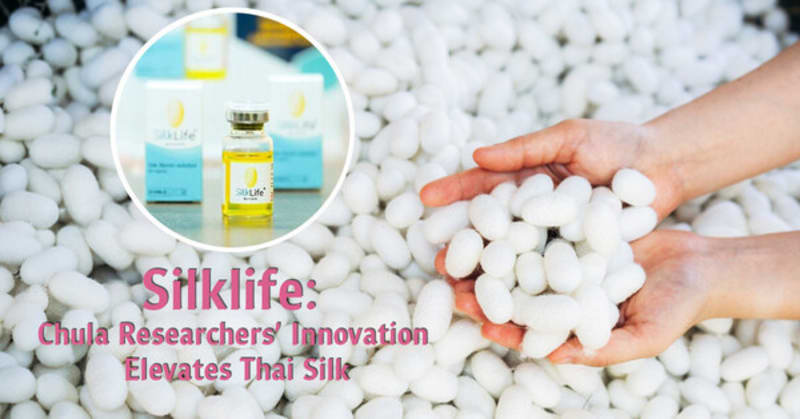
Scientists at Chulalongkorn University in Bangkok have developed a way to extract silk protein and convert it into pain relief patches, sleep aids, artificial tissue, and injectable joint gels. The Silklife project, led by Associate Professor Dr. Juthamas Ratanavaraporn, addresses Thailand's heavy dependence on imported medical materials like collagen and hyaluronic acid.
Thai silk has unique properties that make it perfect for medical use. The primary protein, called fibroin, is naturally strong and biocompatible, breaking down safely into amino acids inside the body. Unlike silk from other countries, Thai silk has a natural golden color and a molecular structure that binds effectively with certain medications, making it ideal for targeted drug delivery.
The research team built the entire supply chain from scratch. They established an organic silkworm farm on five rai of land in Ratchaburi province, certified under Thailand's strict organic agriculture standards. Controlled facilities ensure consistent quality year round, with contract farmers trained to minimize contamination.
The silk gets processed at a pilot plant meeting international medical manufacturing standards. Transforming raw silk into medical grade protein takes three to four years of development, but the results are worth the wait.
Initial products focus on external applications to build safety confidence. Hydrogel skin patches release herbal pain compounds for up to eight hours. CBD sleep patches offer an alternative to high dose pills that can cause drowsiness the next day.
More advanced products are already in development. Biodegradable scaffolds help dental and tissue regeneration. Injectable silk based joint gels just entered early stage clinical trials at King Chulalongkorn Memorial Hospital.
The Ripple Effect
The project creates opportunities far beyond hospital walls. Farmers who grow medical grade silk cocoons earn several times more than conventional market rates. This premium pricing gives rural communities a sustainable income source while preserving traditional Thai craftsmanship.
Researchers emphasize that a single material platform can generate dozens of different products. This versatility positions Thai silk as a competitive alternative to imported biomaterials in global medical markets.
The innovation also reduces Thailand's healthcare costs by replacing expensive imported materials with homegrown alternatives. As the country's medical industry expands rapidly, having domestic supply chains becomes increasingly valuable.
Thailand's cultural treasure is becoming a scientific powerhouse, proving that traditional materials can solve modern problems when researchers think creatively.
More Images


Based on reporting by Regional: thailand innovation (TH)
This story was written by BrightWire based on verified news reports.
Spread the positivity!
Share this good news with someone who needs it