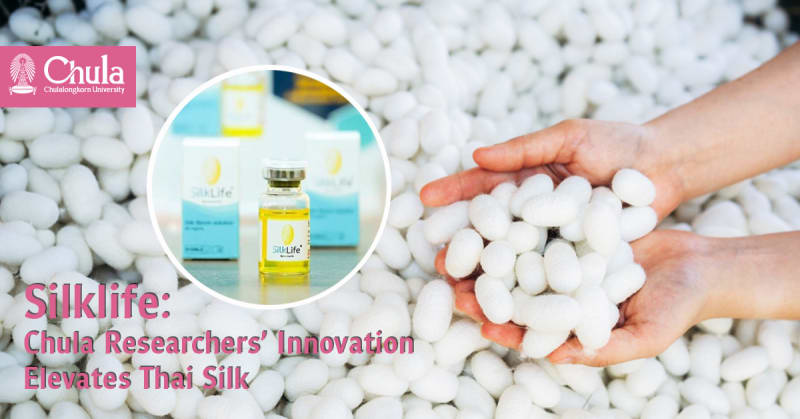
Thai Silk Becomes Medical Breakthrough at Chulalongkorn
Researchers in Thailand are transforming golden Thai silk into medical innovations like pain-relief patches and injectable joint gels. The breakthrough could reduce Thailand's reliance on imported medical materials while boosting farmer incomes.
Thai silk, treasured for centuries as a cultural fabric, is getting a second life as cutting-edge medical technology thanks to scientists at Chulalongkorn University.
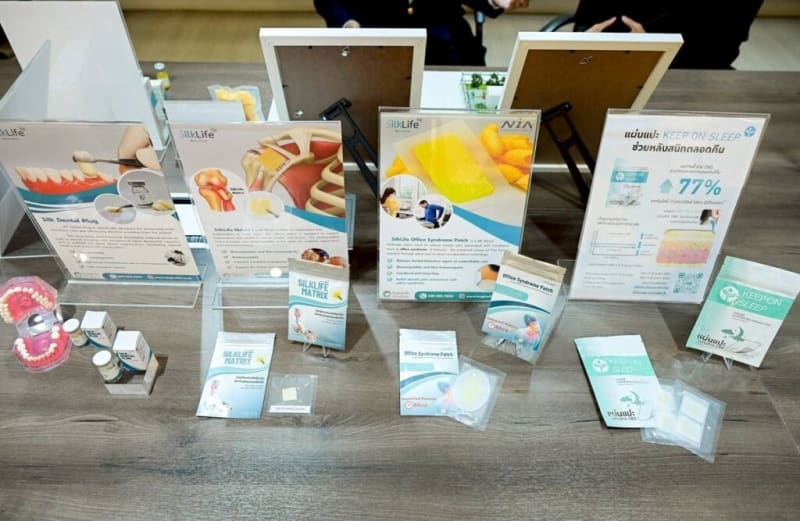
A research team led by Associate Professor Dr. Juthamas Ratanavaraporn has spent over 15 years unlocking silk protein's potential for healthcare. Their work has produced FDA-registered innovations including dental biomaterials, joint gels, and sleep-aid patches that could transform Thailand's medical industry.
The timing couldn't be better. Thailand's healthcare sector continues expanding rapidly, but most medical materials still come from overseas imports like collagen and hyaluronic acid.
Dr. Juthamas saw an opportunity hiding in plain sight. Thai silk contains unique properties that make it ideal for medical use, particularly fibroin, the protein that forms silk fibers.
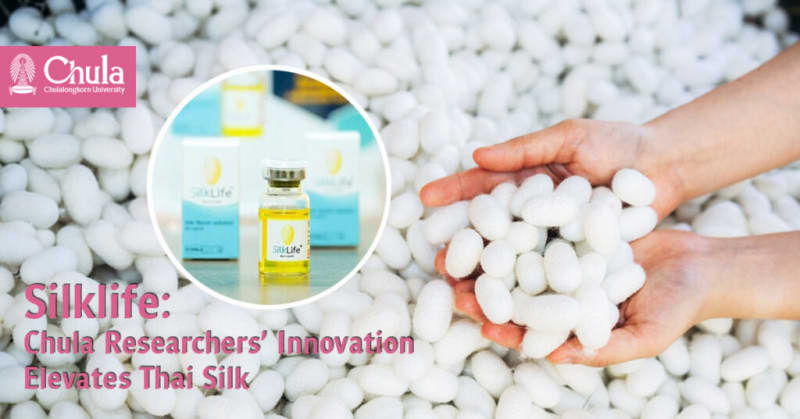
Unlike Italian or Japanese silk, Thai silk has a natural golden color and special molecular structure that binds effectively with certain drugs. Silkworms produce these remarkably strong protein fibers to protect themselves during metamorphosis, creating material with tensile strength similar to spider silk.
The real breakthrough is biocompatibility. When silk protein breaks down in the body, it becomes safe amino acids that leave no harmful residues, unlike some synthetic materials.
Animal studies in mice, rabbits, and dogs showed silk protein causes fewer immune reactions than collagen when implanted. That safety profile opens doors for everything from artificial tissues to drug delivery systems.
The Ripple Effect
The Silklife project reaches far beyond laboratory walls. The team established an organic silkworm farm on five acres in Ratchaburi Province, certified under Thailand's strictest organic agriculture standards.
Every step meets medical-grade requirements. The soil must be contamination-free, fertilizers purely organic, and silkworm rearing facilities climate-controlled year-round for consistent quality.
Contract farmers receive extensive training to follow strict protocols, including wearing lab coats and gloves to minimize contamination. The facility became the first in Thailand certified under agricultural standards, now serving as a model for the Department of Sericulture.
After cocoons reach quality standards, protein extraction happens at a pilot plant meeting ISO 13485 manufacturing standards and ISO 10993 medical safety standards. The entire process from farm to medical-grade material takes three to four years.
This comprehensive approach means the research doesn't just create patents and publications. It builds sustainable livelihoods for farmers while strengthening Thailand's medical materials ecosystem from the ground up.
Dr. Juthamas believes research should translate into real-world use, benefiting patients, reducing import dependence, and supporting local communities. The golden threads of Thai silk are weaving a healthier, more self-reliant future for Thailand's medical industry.
More Images


Based on reporting by Regional: thailand innovation (TH)
This story was written by BrightWire based on verified news reports.
Spread the positivity!
Share this good news with someone who needs it