Thailand and ASU Build Southeast Asia's Chip Training Hub
Thailand is turning its semiconductor ambitions into reality with Arizona State University's help, creating a regional training center that tackles the chip industry's biggest bottleneck: skilled workers. The partnership is transforming how universities teach semiconductor science across Southeast Asia.
Thailand is building something ambitious: a national semiconductor training hub that could shape the future of chip manufacturing across Southeast Asia.
The country isn't going it alone. Arizona State University is partnering with Thailand's Ministry of Higher Education, Science, Research and Innovation to turn strategy into action, focusing on the semiconductor industry's most critical shortage: trained workers.
The collaboration builds on a memorandum signed in September 2025. Since then, the partners have moved fast, bringing together government officials, universities, and industry leaders to create a coordinated national approach.
"This road map is not intended to remain a strategic document. It is a framework for execution," said Supachai Pathumnakul, permanent secretary of Thailand's higher education ministry. The focus is clear: align education with what chip manufacturers actually need.
In January 2026, Thailand hosted a major planning session with the Semiconductor Industry Association. The group identified workforce development as the most urgent challenge facing the industry, not just in Thailand but globally.
ASU responded by launching an eight-week master class for Thai professors and professionals. The program covered the entire semiconductor ecosystem, from chip design to global supply chains, giving educators a complete picture of the industry.
Between October 2025 and January 2026, faculty teams then participated in a curriculum accelerator program. During a four-day workshop in Bangkok, Thai professors worked with ASU experts to design new courses and training programs tailored to their universities.
The Ripple Effect
The partnership's impact extends beyond Thailand's borders. The country is positioning its training center as a regional hub for Southeast Asia, where demand for semiconductor talent is surging.
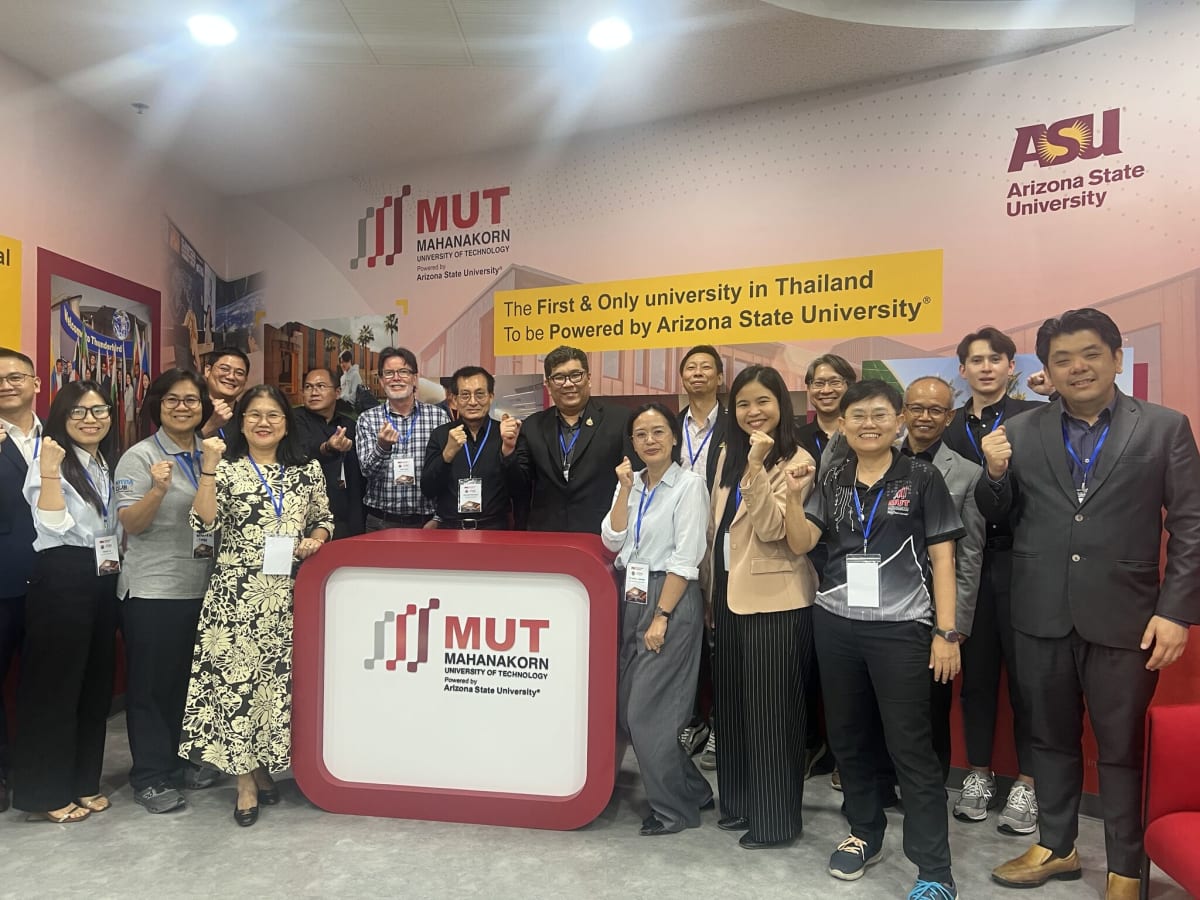
Mahanakorn University of Technology is leading institutional transformation. President Panavy Pookaiyaudom sees the partnership as a chance to redesign curriculum and bring industry directly into classrooms, turning national ambition into practical skills.
Associate Professor Wanchai Pijitrojana of Thammasat University praised the approach. "Developing institution-specific curriculum action plans with guidance from ASU experts enabled us to translate knowledge into practical, nationally aligned programs," he said.
The Semiconductor Industry Association called the partnership a model for global collaboration. "The path to strengthening semiconductor capabilities begins in the classroom, not the clean room," said Jaclyn Kellon, the association's director of global policy.
Thailand's approach tackles a problem facing countries worldwide: how to build domestic chip industry capacity when skilled workers are scarce. By starting with education and coordinating across government, universities, and industry, Thailand is creating a sustainable pipeline for future talent.
The partnership shows how countries can strengthen their position in the global semiconductor supply chain through smart collaboration and execution focused on what matters most: people with the right skills.
Based on reporting by Regional: thailand innovation (TH)
This story was written by BrightWire based on verified news reports.
Spread the positivity!
Share this good news with someone who needs it