Thailand Court Backs Toxic Pesticide Ban, Deaths Drop 20%
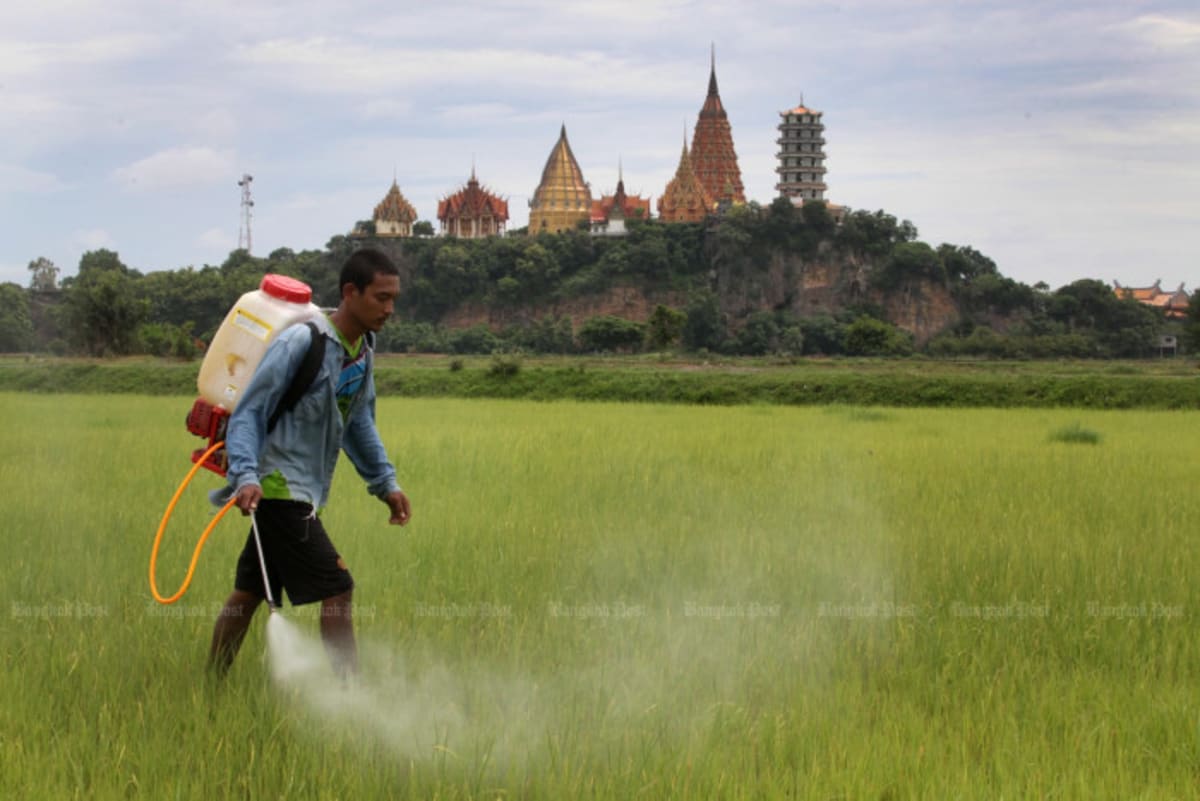
Thailand's highest administrative court has upheld a nationwide ban on two dangerous farm chemicals, validating a public health victory that's already slashing toxic residues in food and saving lives. The ruling comes with a twist: the government must reimburse companies for disposal costs, balancing health protection with business fairness.
Thailand just won a major victory in the fight against toxic chemicals poisoning farmers and food supplies.
The Central Administrative Court upheld the country's 2020 ban on paraquat and chlorpyrifos, two agricultural chemicals linked to deaths and widespread contamination. The court ruled that protecting public health and the environment outweighs commercial interests, marking a watershed moment for food safety advocates who have fought for years to remove these substances from Thai farms.
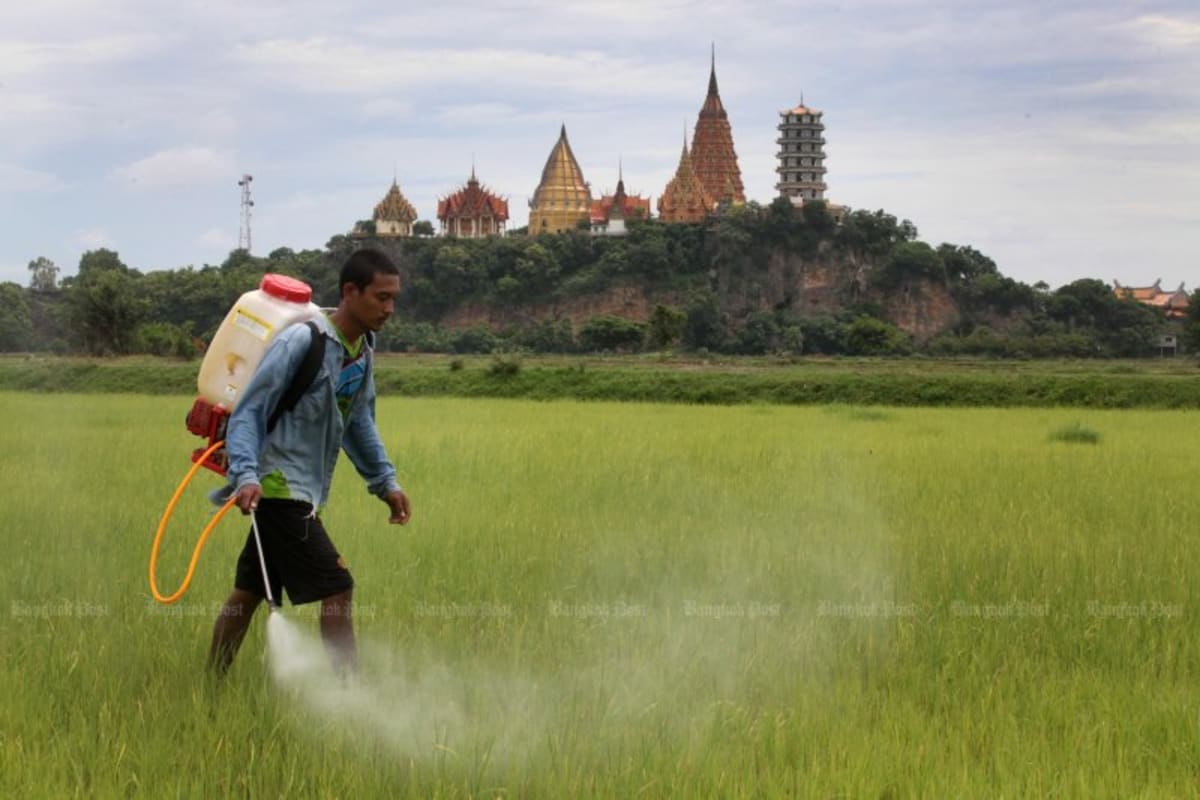
The ban targeted paraquat, a herbicide, and chlorpyrifos, an insecticide, both classified as highly hazardous. Syngenta Crop Protection, a major manufacturer of chlorpyrifos, challenged the ban and the requirement that companies pay to recall and destroy existing supplies.
While the court sided with health advocates on the ban itself, judges recognized that forcing businesses to shoulder all disposal costs was excessive. They ordered Thailand's Department of Agriculture to cover those expenses and reimburse affected companies, creating a compromise that protects both public welfare and business interests.
The results speak volumes about why this ban matters. Before 2020, paraquat residue showed up in roughly one quarter of sampled fruits and vegetables across Thailand. Since the ban took effect, those residues have completely disappeared from testing samples.
Even more striking, deaths linked to these chemicals have dropped by over 20%. The reduction reflects fewer acute poisonings among farm workers and communities living near agricultural areas where these substances were regularly sprayed.
The environmental impact has been substantial too. Imports of paraquat, chlorpyrifos, and glyphosate have plummeted by more than 60 million kilograms since the ban, keeping massive quantities of toxic substances out of Thai soil and waterways.
The Ripple Effect
Thailand's decision is sending waves beyond its borders. As one of Southeast Asia's major agricultural producers, the country's move to ban these chemicals puts pressure on neighboring nations to reconsider their own pesticide policies.
The court ruling also demonstrates that countries can protect public health without unfairly punishing businesses. By splitting the difference on disposal costs, Thailand created a model for phasing out dangerous substances while maintaining dialogue with industry.
Biothai and the Foundation for Consumers, representing the Thai Pesticide Alert Network, joined the case to defend the ban. Their participation ensured that farmer and consumer voices were heard alongside corporate interests in the courtroom.
Even Syngenta itself has begun shifting away from paraquat globally, ceasing production in June 2026 and phasing out sales as existing supplies run out. The company cited competition from generic producers, but the regulatory landscape clearly played a role in making these products less viable.
Thailand's farmers, consumers, and environment are all breathing easier now that science and public health have carried the day in court.
More Images

Based on reporting by Bangkok Post
This story was written by BrightWire based on verified news reports.
Spread the positivity!
Share this good news with someone who needs it