Thailand Forest May Hold 436 Endangered Asian Tapirs
Scientists discovered a potential stronghold for endangered Asian tapirs in southern Thailand by reviewing old camera trap photos originally set for bears. The forest complex could protect far more of these gentle giants than previously thought possible.
Hidden in archived wildlife photos, researchers found something extraordinary: a thriving population of one of the world's rarest mammals.
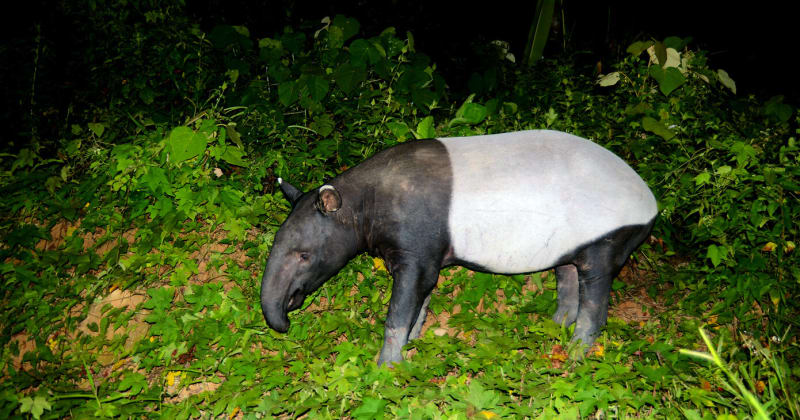
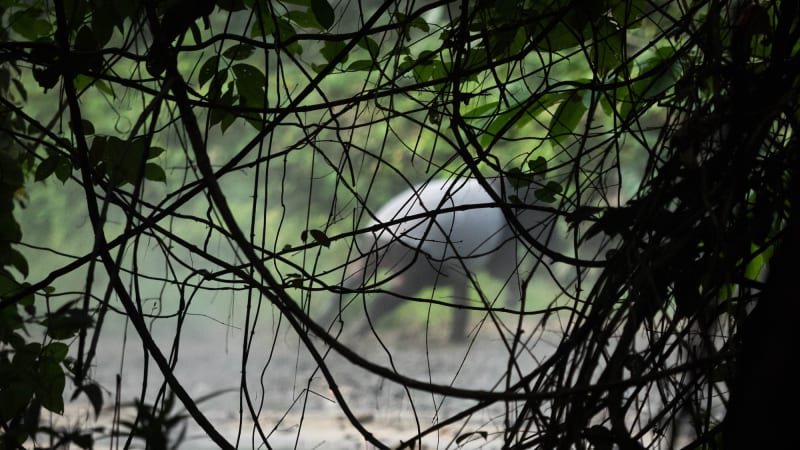
Scientists reviewing old camera trap images from Thailand's Khlong Saeng–Khao Sok Forest Complex identified at least 43 individual Asian tapirs. The cameras were originally placed to study bears, but they accidentally captured these elusive nocturnal giants too.
Led by biologist Wyatt Petersen, the team studied 91 tapir photos taken between 2016 and 2017. By spotting unique features like scars and ear marks, they identified individual animals and estimated the forest could support up to 436 mature tapirs.
That number is stunning. Previous estimates suggested fewer than 250 tapirs existed across Thailand and Myanmar combined.
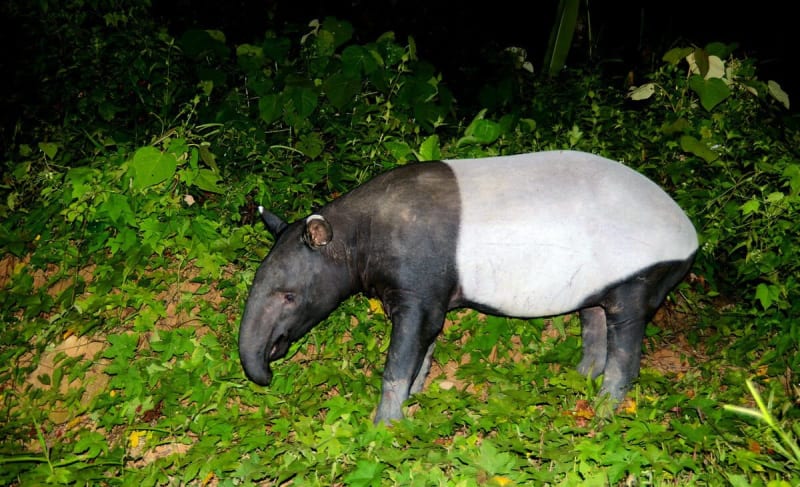
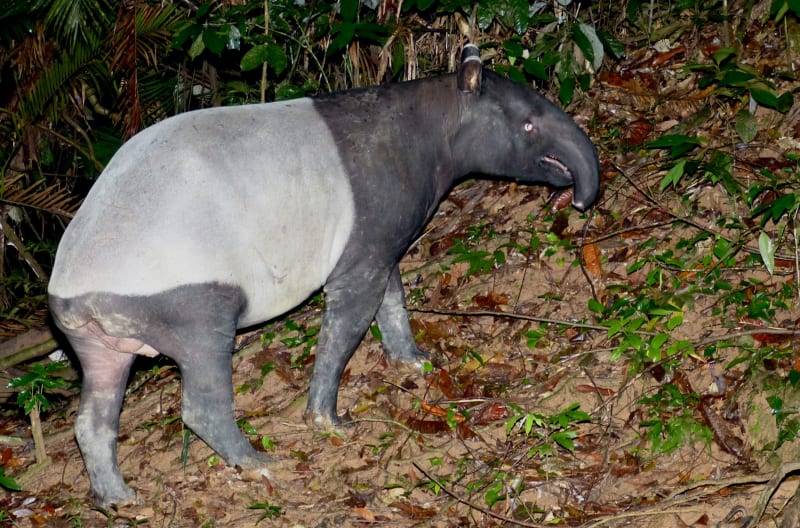
Asian tapirs are the largest tapir species and the only ones found outside Latin America. These black and white giants can weigh up to 772 pounds and use their flexible snouts like snorkels while foraging underwater for plants.
The research shows camera trap "bycatch" can revolutionize how we monitor endangered species. Instead of expensive new surveys, existing wildlife photos can reveal crucial population data for animals we weren't even looking for.
The team found tapir density at 6 to 10 individuals per 100 square kilometers, matching healthy populations in Malaysia. They also discovered tapirs in Thailand prefer higher elevations, possibly seeking cooler forest conditions during seasonal changes.
The Ripple Effect
This discovery does more than count tapirs. It shows that protecting large forest complexes creates refuges for multiple endangered species at once.
Tapirs play a vital role as seed dispersers, helping entire plant communities thrive. Where tapirs flourish, forests flourish too.
The findings also prove that creative data use can stretch conservation budgets further. Researchers worldwide can now look at their archived photos with fresh eyes, potentially discovering other hidden wildlife strongholds.
While the team cautions their estimate might be high since tapirs likely cluster in ideal habitats rather than spreading evenly, the forest complex clearly provides critical sanctuary. As habitat loss and hunting snares continue threatening Asian tapirs across their range, protected areas like this become increasingly precious.
Ecologist Naparat Suttidate emphasizes that these shy, slow-reproducing animals need large intact forests to survive. The few remaining Thai populations persist only within protected areas, making every stronghold count.
One forest's hidden treasure could be the key to an entire species' survival.
More Images

Based on reporting by Mongabay
This story was written by BrightWire based on verified news reports.
Spread the positivity!
Share this good news with someone who needs it