Thailand Forest May Hold 436 Tapirs, Doubling Estimates
Camera traps set up to study bears accidentally captured evidence of a thriving Asian tapir population in southern Thailand. The discovery suggests nearly twice as many of these endangered giants may exist than previously thought.
Old photos meant for bears just revealed a hidden treasure in Thailand's forests: a booming population of one of the world's rarest large mammals.
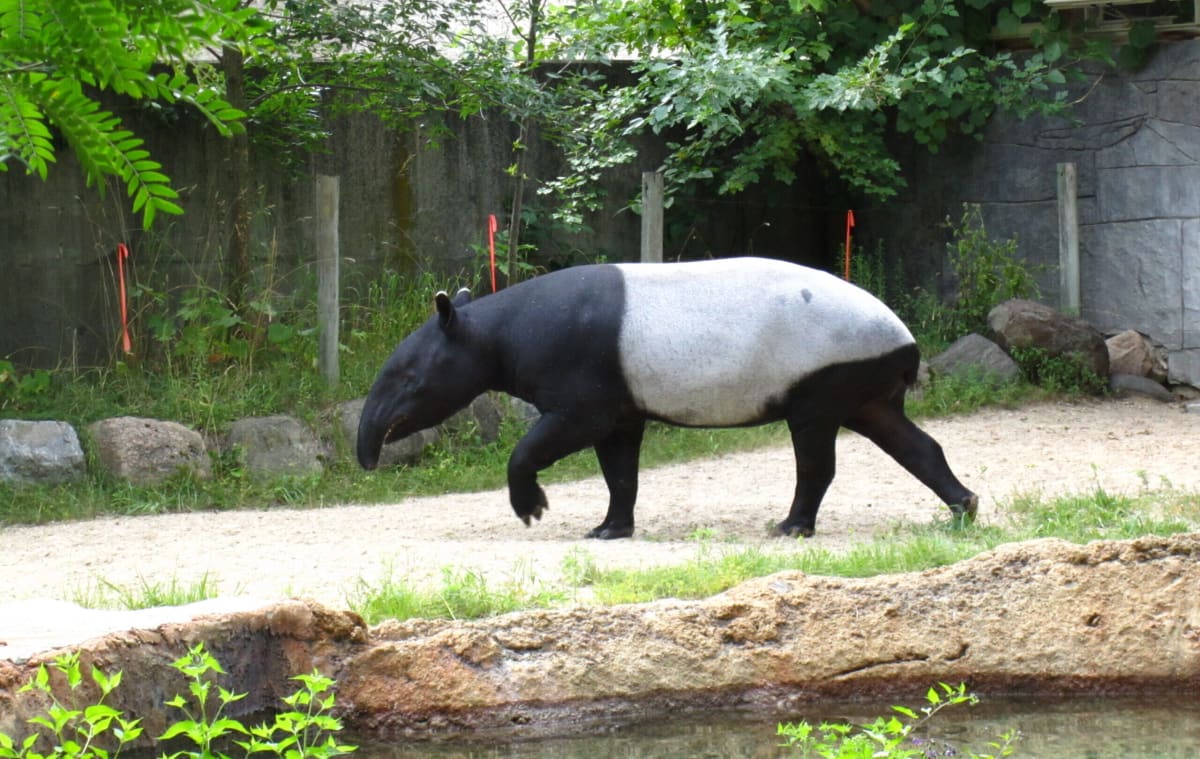
Researchers studying bears in the Khlong Seang–Khao Sok Forest Complex stumbled upon something unexpected in their camera trap images from 2016 and 2017. Hundreds of photos showed Asian tapirs, elephant relatives with distinctive black and white markings, wandering through the forest at night.
The accidental discovery led to a groundbreaking study. Using modeling based on these "bycatch" images, scientists estimate the forest complex could host up to 436 Asian tapirs.
That's almost double the previous estimate of fewer than 250 individuals across all of Thailand and Myanmar combined. The finding offers rare hope for a species that's lost half its population in recent decades.
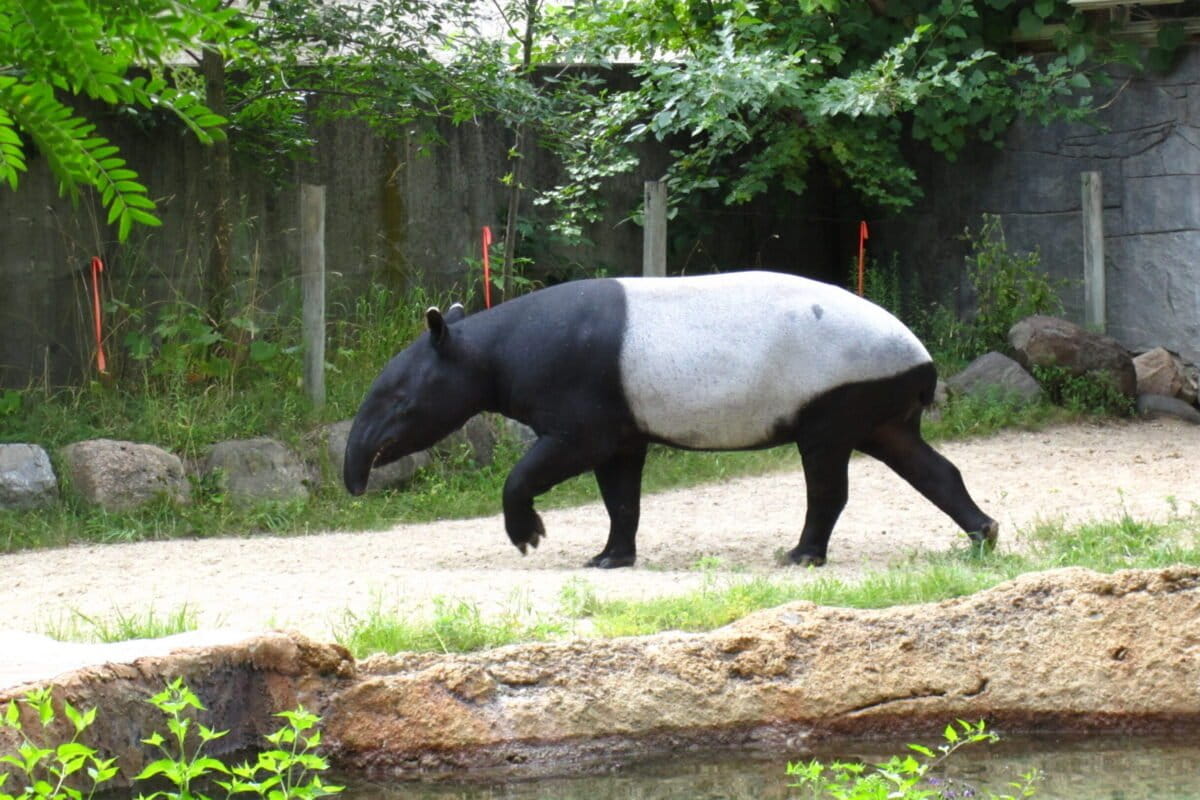
Asian tapirs are nature's gardeners. These 770-pound gentle giants munch on forest plants and scatter seeds across miles of terrain, helping entire ecosystems thrive. Only about 2,500 mature individuals survive worldwide, making them endangered.
The Thai forest seems to be doing something right. Unlike populations elsewhere, these tapirs actually increased at higher elevations, possibly taking advantage of seasonal changes in food availability.
Ecologist Naparat Suttidate from Walailak University sees the discovery as more than just good news for tapirs. These creatures need vast, intact forests to survive, so protecting them means protecting entire tropical ecosystems.
The study also revealed a clever new conservation tool. Camera traps already monitoring other species can double as tapir trackers, making it easier and cheaper to keep tabs on these elusive animals without disturbing them.
Why This Inspires
This discovery shows that even when we're not looking for them, nature's success stories can surprise us. The tapirs were there all along, quietly thriving in protected forest while scientists worried they were disappearing.
It's a reminder that conservation investments pay off in unexpected ways. The camera traps bought for bear research delivered insights about an entirely different endangered species at no extra cost.
Most importantly, it proves that when we give wildlife protected space, they can bounce back in numbers that exceed our hopes.
The tapirs still face threats from habitat loss and snaring, but now researchers know exactly where to focus protection efforts. Every image captured is another reason to celebrate and another call to keep Thailand's forests standing strong.
More Images



Based on reporting by Mongabay
This story was written by BrightWire based on verified news reports.
Spread the positivity!
Share this good news with someone who needs it