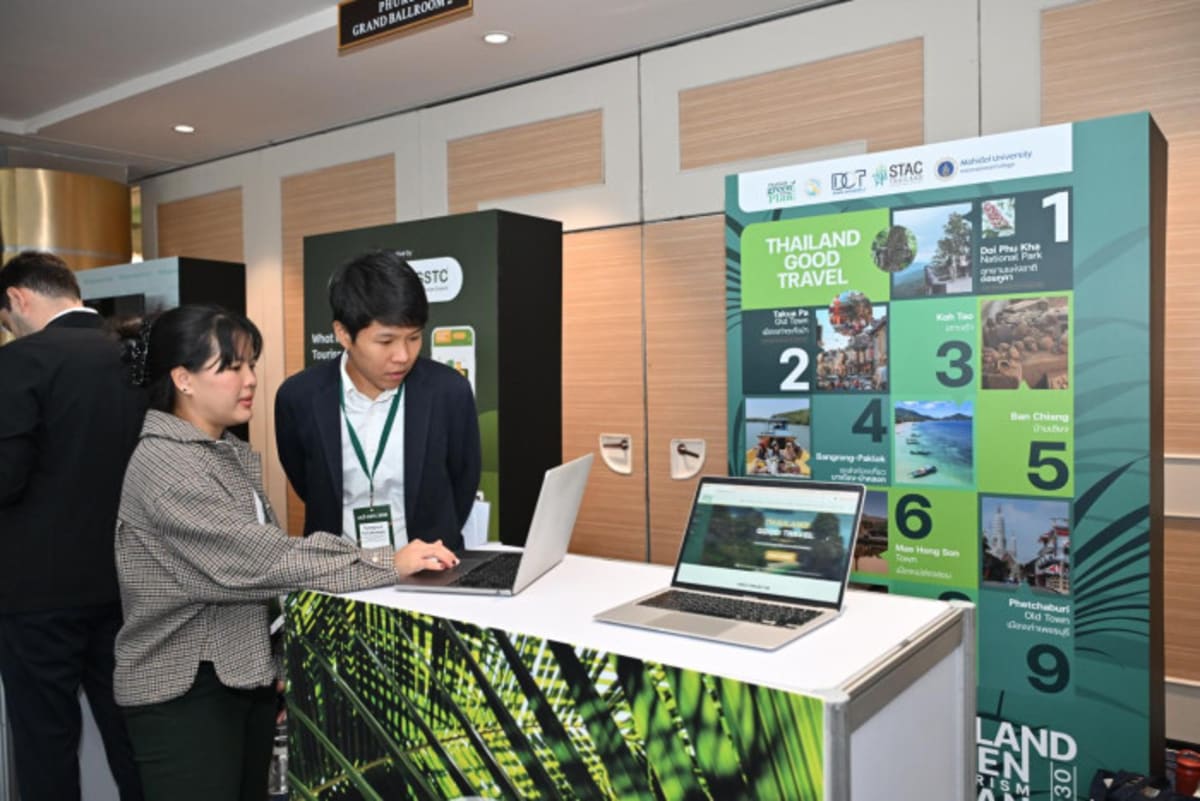
Thailand Hosts 580 Delegates to Lead Green Tourism Push
Phuket just welcomed 580 sustainability leaders from 55 countries to shape the future of eco-friendly travel. Thailand's tourism industry is racing to become a global model for green hospitality, backed by new government support and innovative business practices.
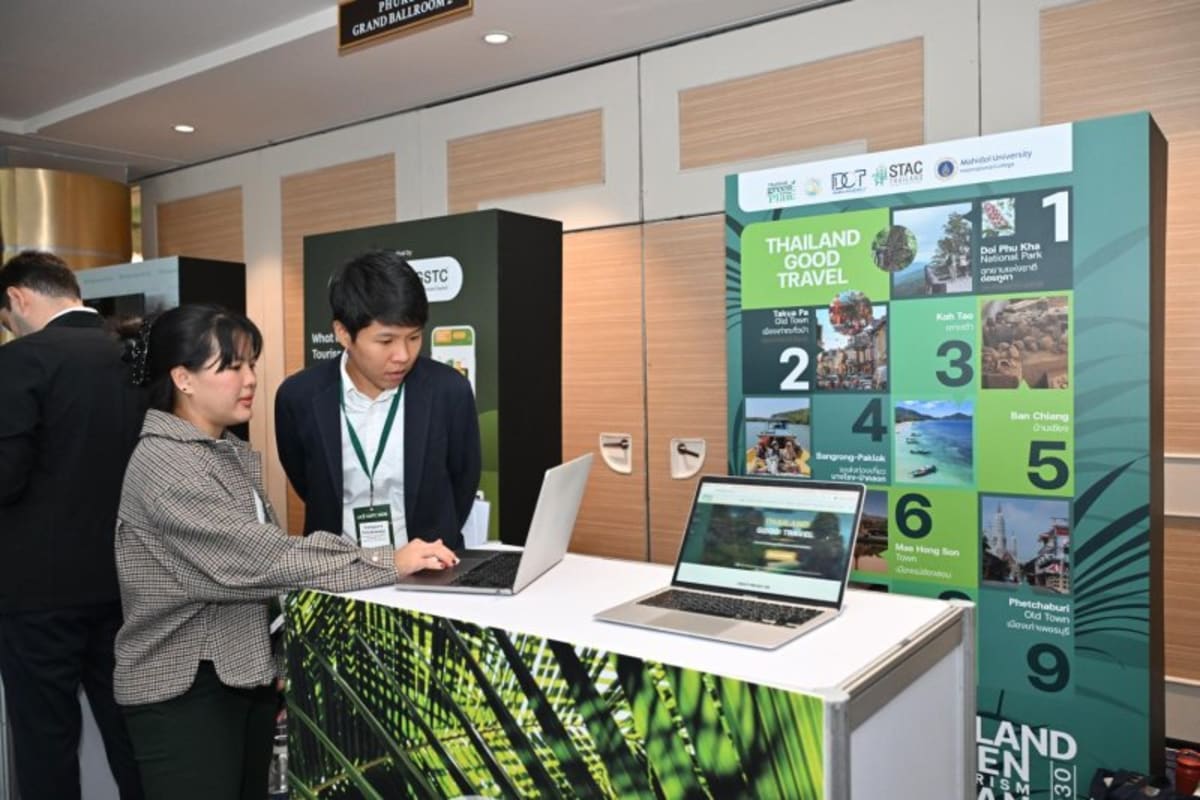
Thailand's island paradise of Phuket just proved it's serious about sustainable tourism by hosting the Global Sustainable Tourism Conference 2026, bringing together 580 delegates from 55 countries. The gathering signals a major shift as the nation's tourism sector works to turn environmental challenges into opportunities for lasting change.
The timing couldn't be better. Tourism drives the majority of the Andaman region's economy, making it the perfect testing ground for green practices across Thailand. Southern hotel operators have been pioneering sustainable policies for years, tackling everything from energy efficiency to social impact programs.
But the private sector is moving faster than government support can keep up. Wichupan Phukaoluan Srisanya, president of the Thai Hotels Association's southern chapter, points out that while businesses are eager to go green, they need more help getting there. Small hotels face high upfront costs and complicated certification processes that can feel overwhelming.
The good news? Progress is already happening on multiple fronts. The Energy Ministry now offers tax breaks for businesses using efficient appliances. Tourism officials are developing carbon credit markets and making capital more accessible for green investments. Thailand is also spreading visitors to smaller cities, reducing pressure on overcrowded destinations.
Global experts say Thailand isn't alone in facing these challenges. Randy Durband, chief executive of the Global Sustainable Tourism Council, notes that only 1 to 2 percent of hotels worldwide have earned top sustainability credentials. The complexity of multiple certification standards creates confusion, though major Thai brands like Centara and Dusit are already making headway.
The Ripple Effect
The energy crisis that's squeezing budgets globally is actually accelerating the green transition. Hotel operators are discovering that sustainable practices don't just help the planet, they dramatically cut operating costs. Solar panels, efficient appliances, and water conservation systems pay for themselves while reducing environmental impact.
Tourism Minister Surasak Phancharoenworakul emphasizes that sustainability now sits at the heart of Thailand's national development plan. The government is promoting clean energy, electric mobility, and accessible green financing to help businesses of all sizes make the switch.
The path forward involves stronger collaboration between government agencies and private operators to create clear sustainability roadmaps. Industry leaders want licensed, certified businesses to receive meaningful benefits that reward their investment in green technology and practices.
Training programs are expanding across Thailand to build knowledge without requiring huge budgets. As more operators share success stories and best practices, the green transition gains momentum. What started as an environmental necessity is becoming a competitive advantage that attracts the growing number of travelers who prioritize sustainable trips.
Thailand's message to the world is clear: sustainable tourism isn't just possible, it's profitable and essential for the future.
More Images


Based on reporting by Bangkok Post
This story was written by BrightWire based on verified news reports.
Spread the positivity!
Share this good news with someone who needs it