Thailand Invests $7B in Homegrown Medical Tech for All
Thailand is pouring billions into locally made medical innovations, from AI X-rays to custom skull implants, ensuring its 200-billion-baht universal healthcare system strengthens both public health and the national economy. The shift could save 20 billion baht in imports while creating thousands of jobs.
Thailand just proved that spending on healthcare doesn't have to drain an economy. It can fuel one.
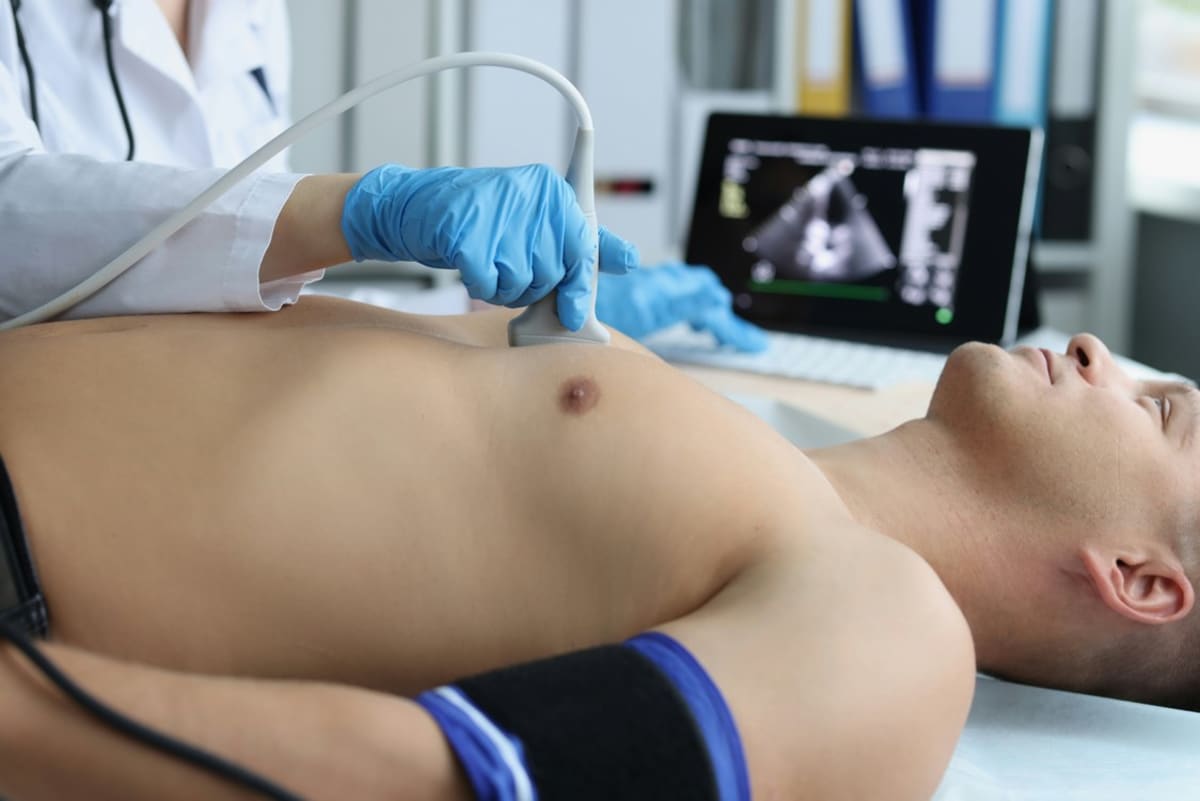
The National Health Security Office announced it spent over 7 billion baht last year on Thai-made medical innovations, from artificial intelligence-powered X-ray systems to personalized titanium skull implants. These products now serve patients under Thailand's universal healthcare program, which covers the entire population with a nearly 200-billion-baht annual budget.
Dr. Jadet Thammatacharee, who leads the NHSO, explained the strategy at a Bangkok forum in March. "If we allocate part of this budget to products made in Thailand, the money will circulate within the country and benefit the economy through job creation," he said.
The push comes after past medical supply shortages exposed the country's risky dependence on imports. Now Thailand wants to manufacture what it needs while building a competitive health technology industry.
The government created a "Green Channel" to fast-track Thai innovations into the healthcare system. Researchers and manufacturers can also secure three to five-year procurement contracts, giving them stable revenue to reinvest in new products.
Real patients are already benefiting. Pradit Buengklang received a Thai-made dental implant at lower cost. Manisa Unanont got a custom skull implant manufactured domestically, technology that previously required expensive imports.
Other Thai innovations entering hospitals include prosthetic feet that move more naturally, diagnostic test kits, ostomy bags made from local natural rubber, and antiviral drugs from the Government Pharmaceutical Organization.
The Ripple Effect
The economic impact stretches far beyond hospital walls. Thailand aims to grow its health technology sector to 300 billion baht annually while cutting medical imports by 20 billion baht, according to the 13th National Economic and Social Development Plan.
As Thailand's population ages, shifting toward high-value medical manufacturing creates quality jobs and positions the country as a regional healthcare hub. The innovations developed for domestic use could eventually be exported, multiplying economic benefits.
Thai scientists are now working on advanced treatments like targeted cancer therapy and personalized medicine. If they succeed, these cutting-edge treatments could enter the universal system at affordable prices, giving ordinary Thais access to care that currently costs a fortune abroad.
The 7 billion baht spent so far represents just a fraction of the annual health budget, but officials plan to steadily increase the share going to local innovators. Every baht redirected from imports to domestic production strengthens both healthcare resilience and economic growth.
Thailand is showing the world that universal healthcare and economic development aren't competing priorities but can reinforce each other beautifully.
More Images


Based on reporting by Regional: thailand innovation (TH)
This story was written by BrightWire based on verified news reports.
Spread the positivity!
Share this good news with someone who needs it