Thailand Opens Direct Green Energy Sales to Businesses
Thailand is letting renewable energy companies bypass government middlemen and sell clean power directly to businesses that need it most. The move could lower costs for industries while expanding access to solar and wind energy across the country.
Thailand just made it easier for factories, data centers, and manufacturers to power their operations with clean energy.
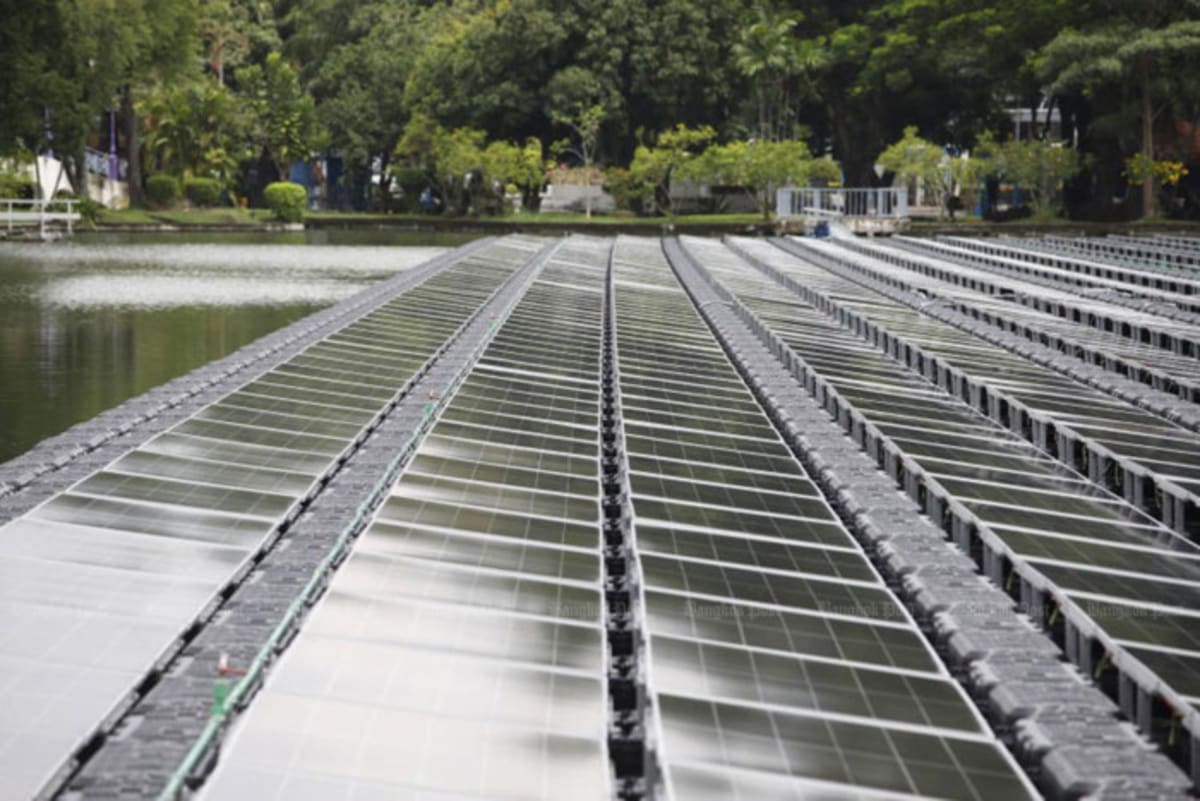
The country's renewable energy industry is calling for expired solar and wind projects to sell electricity directly to businesses instead of forcing it through government wholesale purchases. Right now, 522 renewable energy facilities must sell to the government at wholesale rates that drive up costs for everyone.
The proposal targets 2,596 megawatts of clean power capacity that could flow straight to industries hungry for green energy. Electronics makers, car manufacturers, food processors, and data centers top the list of businesses eager to make the switch.
Thailand introduced premium "adder tariffs" back in 2006 to jumpstart solar and wind investment. Solar projects got the sweetest deal at 6.5 baht per kilowatt hour for up to 10 years. The incentives worked brilliantly, sparking a renewable energy boom across the nation.
But those tariffs expired years ago. Companies kept selling to the government at wholesale prices that get automatically renewed every five years, adding financial pressure that trickles down to households and small businesses paying their monthly bills.
The government is already testing the waters with a pilot program letting renewable companies sell directly to data centers. If successful, the model could expand to manufacturing plants, aluminum smelters, steel mills, and the booming electronics sector.
The Ripple Effect
Direct power sales solve two problems at once. Businesses get affordable clean energy to meet their sustainability goals and international trade requirements. Renewable energy producers gain stable customers without burdening the national grid or driving up costs for regular households.
The shift comes as global companies increasingly demand green supply chains. Thai manufacturers who can prove they run on solar or wind power gain a competitive edge in export markets, especially in Europe and North America where carbon tracking matters.
Thailand ended new adder tariffs in 2014, replacing them with feed-in rates for fresh projects. This proposal gives expired facilities a second life serving businesses that actually want and need clean power right now.
The Federation of Thai Industries is negotiating details with government officials. Chairman Natee Sithiprassana sees direct sales as a win for producers, manufacturers, and consumers alike.
If Thailand pulls this off, thousands of megawatts of clean energy could flow where it's needed most without adding a penny to household electricity bills.
More Images


Based on reporting by Bangkok Post
This story was written by BrightWire based on verified news reports.
Spread the positivity!
Share this good news with someone who needs it