Thailand Opens Jobs to 100,000 Myanmar Refugees
After decades in border camps, Myanmar refugees can finally work outside—and 6,800 people already have jobs supporting their families. Ray Boe now earns enough pouring concrete in Bangkok to help his parents after aid cuts left them borrowing money for food.
For 31-year-old Ray Boe, leaving a refugee camp after years of waiting felt like finally breathing fresh air. He's one of 6,800 Myanmar refugees now working in Thailand under a groundbreaking program that reversed decades of restrictive policy.
More than 100,000 Myanmar refugees have lived in nine camps along the Thai-Myanmar border since the 1980s, some for their entire lives. Until last year, the Thai government banned them from leaving to find work, forcing families to survive on shrinking foreign aid alone.
Everything changed in October 2023 when U.S. aid cutbacks slashed food support and healthcare in the camps. At the same time, a territorial dispute between Thailand and Cambodia sent hundreds of thousands of Cambodian workers home, creating a massive labor shortage.
Thailand's solution helped everyone. The government started issuing work permits to refugees, letting them earn their own income across 43 provinces in nearly any industry.
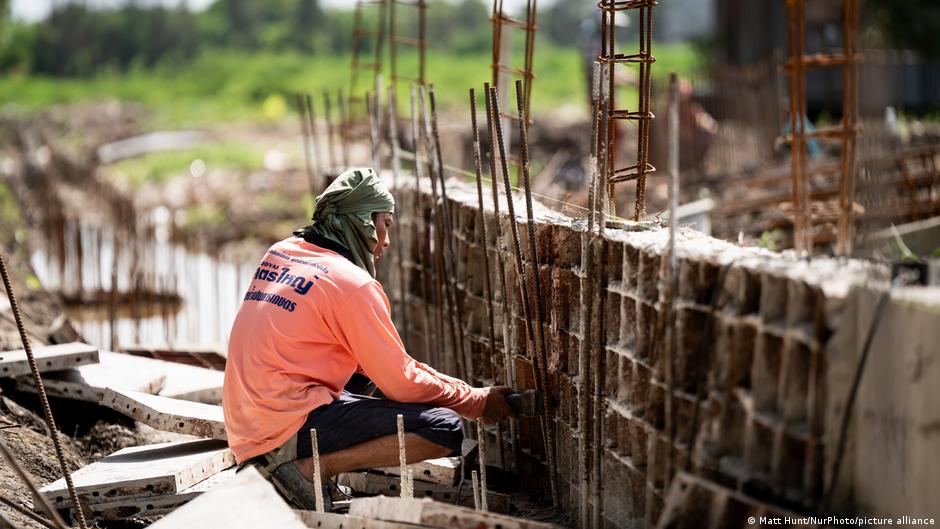
Ray Boe now makes about $12 a day working construction in central Bangkok, building what will become a 12-story apartment complex. After aid cuts forced his family to borrow from neighbors and skip meals, his paycheck means his parents can afford food and healthcare again.
"Compared to how we were living in the camp before, it will be a big difference," he told reporters. "Having my own income and supporting my family on my own, not having to wait for other people to support us day to day."
The Thai Ministry of Foreign Affairs expanded vocational training in the camps to prepare refugees for outside work. Officials say the program gives refugees a chance to reach their potential while contributing to Thailand's economy.
The Ripple Effect
Labor rights advocate Siwawong Sooktawee has watched the transformation firsthand. Refugees who found work tell him they feel happier and more capable than they have in years.
"They are so happy to work and earn money, a lot of money compared to what they get in the camp," said Siwawong, who coordinates Thailand projects for the International Detention Coalition. "This is good because they feel they can help themselves, not depend on aid anymore."
The program still faces growing pains. Some refugees report employers promised better pay or conditions than they delivered, and the system for handling complaints remains unclear. Organizations like the Karen Women's Organization are working with the government to strengthen worker protections.
Despite the challenges, the program represents hope for families who have waited decades for a chance to build their own futures. Thailand proved that creative policy solutions can turn crisis into opportunity for everyone involved.
Based on reporting by DW News
This story was written by BrightWire based on verified news reports.
Turn Today’s Good News Into Action
Generate a simple, meaningful 2-minute act of kindness you can do today and log your ripple effect.
Spread the positivity!
Share this good news with someone who needs it

