Thailand Protects Wild Elephants With Birth Control Vaccine
Thailand just administered contraceptive vaccines to wild elephants for the first time, offering a compassionate solution to prevent human-wildlife conflict. The seven-year birth control shot helps manage growing elephant populations while keeping these endangered animals safe and healthy.
Thailand's wildlife officials just made history by giving birth control vaccines to wild elephants, creating a win for both the endangered animals and the communities living alongside them.
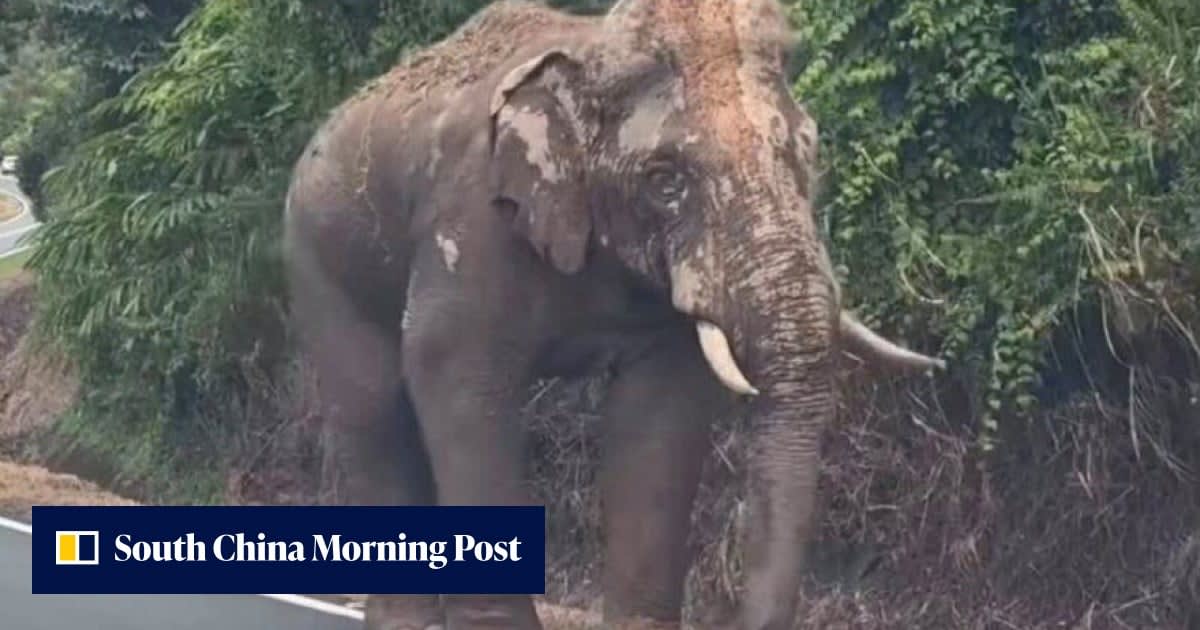
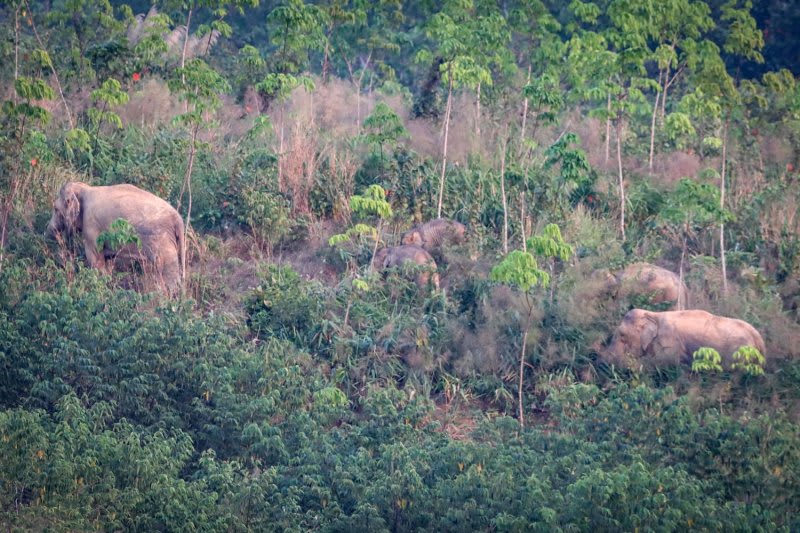
On Monday, veterinarians used dart guns to administer contraceptive shots to three female elephants in Trat province. The SpayVac vaccine prevents pregnancy for seven years without changing the elephants' behavior, appearance, or daily lives.
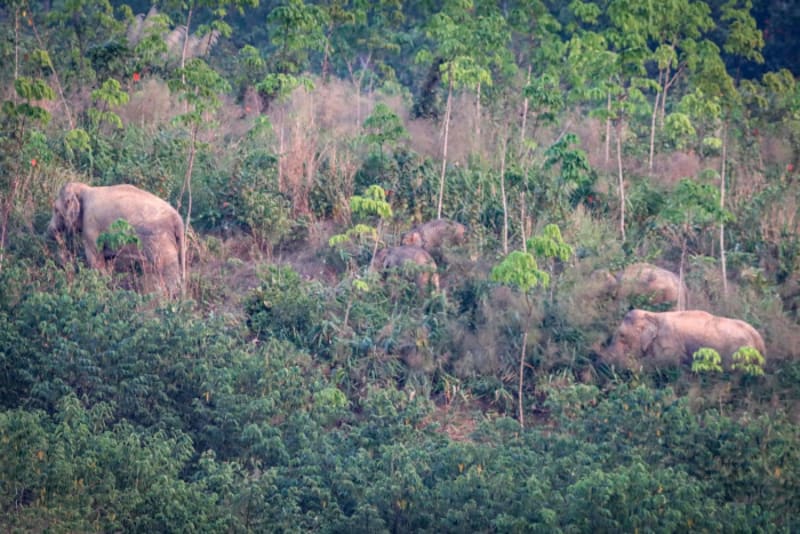
The timing couldn't be more critical. Wild elephant populations in eastern Thailand have been growing by eight percent each year, more than double the rate in other regions. Since 2012, conflicts between humans and elephants have killed nearly 200 people and over 100 elephants.
Sukhee Boonsang, director of Thailand's Wildlife Conservation Office, said the growing population would lead to more dangerous encounters if left unchecked. The nation's wild elephant numbers jumped from just 334 in 2015 to nearly 800 last year, a remarkable conservation success that now requires careful management.
The vaccine works by regulating hormone levels to prevent conception. It doesn't affect how elephants interact with their herds or alter their physical health in any way.
Safety came first in this groundbreaking effort. Scientists tested the vaccine on seven captive elephants in Chiang Mai two years ago with zero side effects. The three wild elephants who received shots this week are healthy and behaving normally, with blood tests scheduled every six months to monitor their wellbeing.
The Ripple Effect
This innovative approach protects both species without harming either one. Asian elephants hold special significance as Thailand's national animal, yet they're classified as endangered globally. Finding humane ways to manage their recovery helps ensure these magnificent creatures thrive without putting rural communities at risk.
Wildlife officials plan to administer 15 more doses to other elephant herds across Thailand before the rainy season begins in May. Each vaccinated female represents seven years of reduced conflict and safer coexistence between humans and wildlife.
Thailand is showing the world that conservation doesn't have to choose between protecting animals and protecting people.
More Images


Based on reporting by Bangkok Post
This story was written by BrightWire based on verified news reports.
Spread the positivity!
Share this good news with someone who needs it