Thailand Screens 1,700 Travelers, No Nipah Cases Found
Thailand's proactive airport screening has checked over 1,700 travelers from Nipah-affected areas with zero positive cases detected. Health officials reassure the public that unlike COVID-19, the virus isn't easily spread and can't transmit during its incubation period.
Thailand is showing the world how calm, science-based public health responses can keep communities safe without triggering panic.
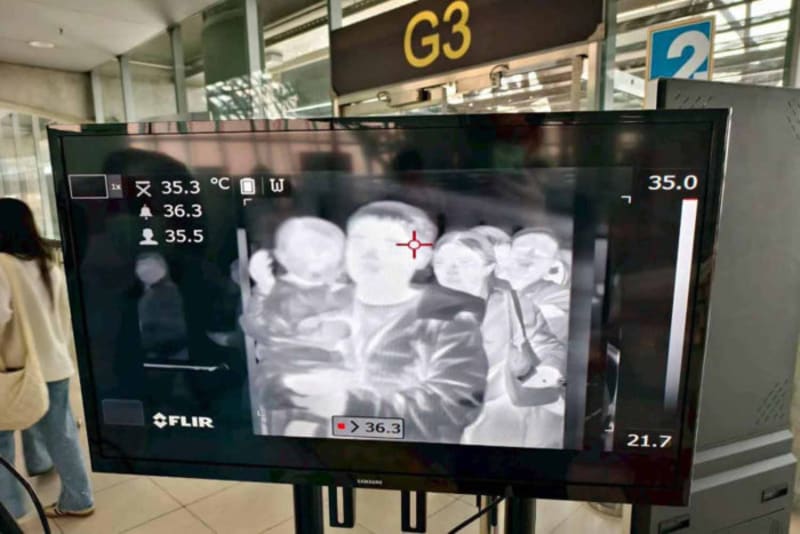
Since Saturday, health officials have been screening passengers arriving from Bangladesh and India at three major airports. The thermal scanners check for fever, an early symptom of Nipah virus infection. So far, all 1,700 travelers have tested negative.
Nearly 700 people arrive daily from Kolkata, where the virus was detected earlier this month. Suvarnabhumi, Don Mueang and Phuket airports continue monitoring these arrivals as a precaution.
Acting Public Health Minister Pattana Promphat delivered reassuring news on Tuesday. The virus behaves very differently from COVID-19, making it far less likely to spread through communities.
"The transmission of Nipah virus is not like that of Covid-19," Pattana explained. "For Nipah, infected people will not transmit it as long as they do not have any symptoms."
This distinction matters enormously. Unlike COVID, where asymptomatic people spread the virus unknowingly, Nipah only transmits when someone shows clear symptoms. Health authorities also confirmed the virus isn't airborne but spreads through contact with bodily fluids.
The screening process works efficiently. If officials detect a suspected case, that person gets quarantined immediately. Test results come back in just eight hours, allowing for quick action if needed.
Thailand has never recorded a single Nipah virus case since the disease was first discovered in Malaysia in 1998. Small outbreaks have occurred only in Bangladesh and India over the past two decades.
The Bright Side
This story showcases how far public health systems have come since the early pandemic days. Thailand's response balances vigilance with calm, using targeted screening instead of broad travel restrictions that can harm economies and separate families.
The thermal screening technology deployed at airports represents lessons learned from COVID-19, now applied thoughtfully to new health challenges. Officials are monitoring the right travelers without creating widespread alarm or disrupting normal life for millions.
Health officials asked Thai residents returning from Kolkata to monitor their health and contact medical personnel if cold-like symptoms appear. This community-based approach empowers people to participate in public health without fear.
Thailand's measured response proves that effective disease prevention doesn't require panic or extreme measures.
More Images

Based on reporting by Bangkok Post
This story was written by BrightWire based on verified news reports.
Spread the positivity!
Share this good news with someone who needs it