Thailand Uses 900 Tonnes of Rubber for Irrigation Innovation
Thailand's irrigation department is cutting costs and supporting farmers by replacing imported materials with locally produced rubber in water systems. The project will use 900 tonnes of natural rubber to create eco-friendly irrigation equipment across the country.
Thailand just found a smart way to solve two problems at once: improving its water systems while boosting income for struggling rubber farmers.
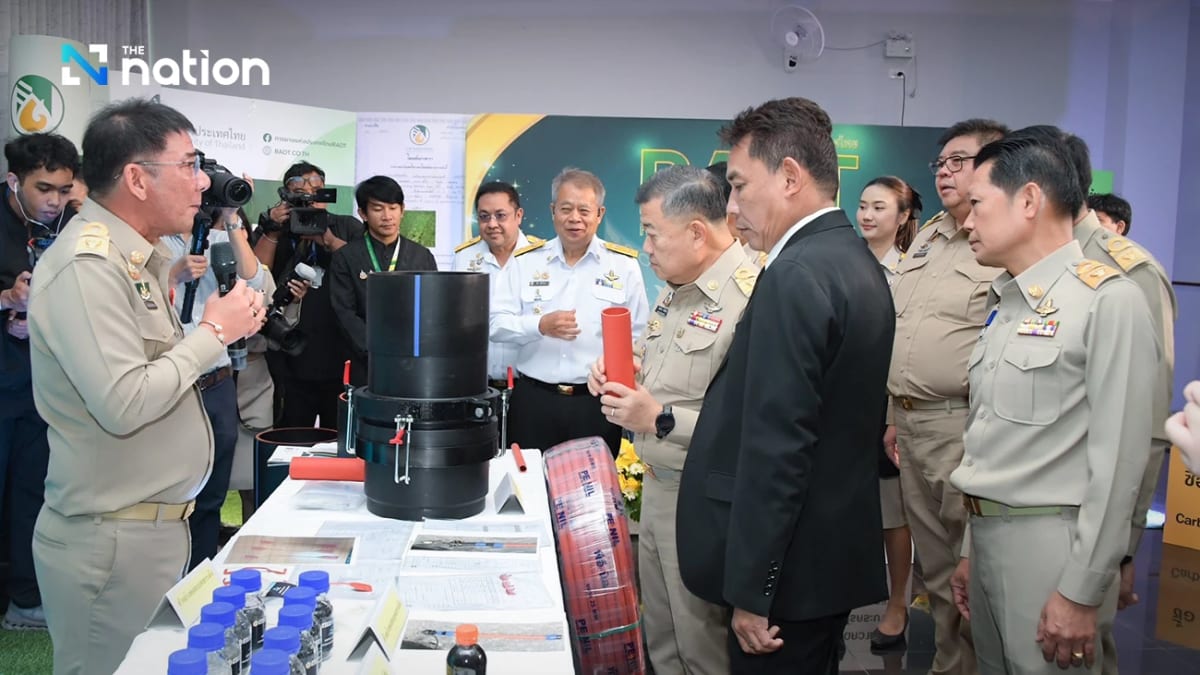
The Royal Irrigation Department partnered with the Rubber Authority of Thailand to replace expensive imported materials with locally grown natural rubber in irrigation projects nationwide. Director-General Suriyapon Nuchanong announced the initiative will use more than 900 tonnes of rubber to produce 43,000 water hyacinth traps and 15,000 meters of drainage pipes.
The innovation tackles a real challenge for Thai farmers. Natural rubber is one of Thailand's major crops, but farmers have faced income instability in recent years. At the same time, the irrigation department was spending significant money on imported materials that rubber could replace.
Engineers developed two key products already working in the field. The RID-UNITED rubber float system catches invasive water hyacinth plants that clog canals and block water flow to farms. The second innovation blends natural rubber with standard HDPE pipes, creating more flexible and durable water conveyance systems.
Suriyapon explained that rubber's natural properties make it ideal for water management. The material is flexible enough to handle pressure changes, durable enough to withstand harsh weather, and lasts longer than many synthetic alternatives. Because Thailand grows it domestically, the irrigation department can source it reliably without depending on international supply chains.
The Ripple Effect
This project creates wins across multiple sectors of Thai society. Rubber farmers gain a reliable new customer in the government, strengthening their income security during market fluctuations. The irrigation department cuts operational costs while reducing Thailand's reliance on imported materials.
Environmental benefits add another layer of value. Using natural rubber instead of petroleum-based plastics reduces carbon footprint. The materials are also easier to repair and recycle at the end of their lifespan.
The Agriculture and Cooperatives Ministry has made expanding rubber use in public projects a policy priority. Permanent Secretary Winaroj Subsongsuk said this irrigation project demonstrates how government agencies can work together to use Thailand's own resources more sustainably.
The initiative aligns with growing global interest in bio-based materials that can replace plastics in infrastructure. Thailand's approach shows how countries can support local agriculture while modernizing essential systems.
Officials said the project marks an important step toward better resource management. Beyond improving water delivery to farms, the program adds value to Thai rubber production and strengthens the agricultural sector's long-term economic stability.
Thailand is proving that the best solutions often grow right in your own backyard.
Based on reporting by Regional: thailand innovation (TH)
This story was written by BrightWire based on verified news reports.
Spread the positivity!
Share this good news with someone who needs it