Thailand's AI 'E-Nose' Pinpoints Pollution Sources
Thailand just deployed 100 smart sensors that can smell the difference between farm smoke and factory fumes, giving authorities the precision they need to fight air pollution at its source. The homegrown technology means cleaner air without guesswork.
Imagine a device that can sniff out exactly where dangerous air pollution comes from, just like your nose detects the difference between fresh bread and burnt toast. Thailand just made that a reality.
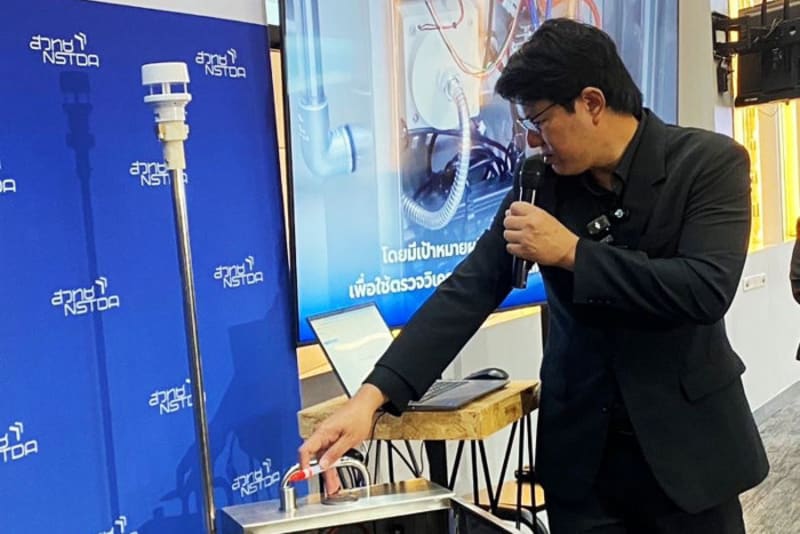
The National Nanotechnology Center has partnered with pollution control agencies to deploy 100 intelligent electronic nose sensors across five pilot zones throughout Thailand. These "e-nose" devices don't just measure how much pollution exists. They identify whether PM2.5 particles came from burning corn stalks, car exhaust, factory emissions, or even chemical reactions from fertilizers in the soil.
"Environmental challenges, especially fine particulate pollution, remain a top national priority," said Uracha Ruktanonchai, executive director of Nanotec. The technology mimics how human noses work, using sensor arrays to detect invisible chemical compounds and gases that each carry unique signatures.
Researcher Rungroj Maulanon explains that preliminary trials in agricultural zones already show impressive results. When PM2.5 levels spike on a given day, the e-nose can tell authorities whether wind carried smoke from nearby sugarcane burning or whether fertilizer reactions within the fields themselves caused the problem.
That precision changes everything. Instead of broad inspections that waste time and resources, farmers receive targeted guidance about actual pollution sources on their land. Authorities can intervene quickly with solutions that actually address the root cause.
The project strengthens Thailand's technological independence by reducing reliance on imported monitoring equipment. Nanotec plans to transfer the technology to private companies interested in manufacturing the devices domestically.
The system integrates artificial intelligence to process data in real time through a mobile application. Officials can see exactly what proportion of pollution at each location comes from different sources, enabling smart policy decisions backed by solid data.
The Ripple Effect
The e-nose technology already serves industries beyond environmental monitoring. Companies use similar systems for food quality control, fragrance testing, and detecting chemical leaks in factories.
Meanwhile, a company called GreenIO has installed complementary PM2.5 sensors at 50 schools and health facilities across Bangkok and northern Thailand. These easy-to-install devices protect more than 200,000 students and residents by sending instant alerts when air quality drops, allowing teachers and nurses to take immediate protective action.
Installation and data collection for all 100 e-nose units should complete within the year. The big data platform they create will support national air quality policies with unprecedented accuracy.
Thailand is building the future of pollution control one smart sensor at a time.
More Images
Based on reporting by Bangkok Post
This story was written by BrightWire based on verified news reports.
Spread the positivity!
Share this good news with someone who needs it