Thailand's Climate Law to Create Jobs, Cut Emissions by 2050
Thailand is writing a bold new law that turns climate action into economic opportunity, protecting millions of jobs while slashing emissions. The Climate Change Bill, set to become law in 2027, creates a fund to help businesses go green without leaving workers behind.
Thailand just proved that protecting the planet and protecting paychecks don't have to be enemies.
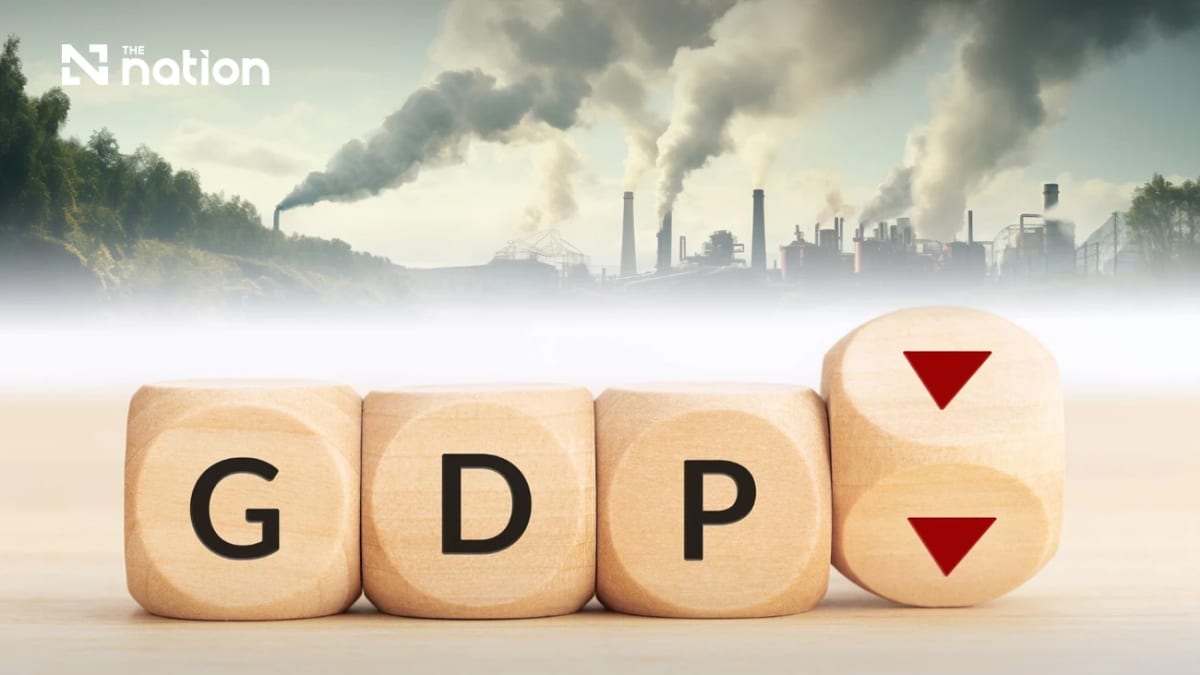
The country is preparing a groundbreaking Climate Change Bill that treats climate action as an economic investment rather than a burden. Officials warn that doing nothing could shrink Thailand's economy by 14% by 2050, costing countless jobs and livelihoods.
The new law, expected to pass in 2027, introduces three game-changing tools. A carbon tax will charge companies for fossil fuel pollution. An emissions trading system will let businesses buy and sell pollution permits. And most importantly, a new Climate Fund will offer loans and grants to help companies and communities make the switch to clean energy without sacrificing jobs.
Phirun Saiyasitpanich, who leads Thailand's climate efforts, told business leaders at the Bangkok Business Summit that this isn't just about saving trees. It's about saving Thailand's place in the global economy. Countries that fall behind on clean energy will struggle to compete in tomorrow's marketplace.
Thailand has already moved up its net zero target by 15 years, now aiming for 2050 instead of 2065. The country plans to phase out coal power plants gradually and increase clean energy to nearly a quarter of its power supply by mid-century.
The near-term goals are even more ambitious. Thailand committed to cutting emissions by 30 to 40% by 2030 compared to doing nothing. Progress sits at about 16% as of 2024, meaning the next six years will require serious acceleration.
By 2035, Thailand aims to cut emissions by 40% using absolute numbers, not projections. That goal carries a price tag of at least $55 billion, money that will flow from private companies, government budgets, and international partners.
The Ripple Effect
Thailand isn't going it alone. The country has signed cooperation deals with Switzerland, Singapore, and Japan to share technology and carbon credits. Bangkok's electric bus program already transferred credits to Switzerland, turning local pollution cuts into international climate wins.
The World Bank backs Thailand's approach, noting that countries investing in adaptation now avoid much steeper costs later. Thailand's framework shows other developing nations how to make climate action work for workers, not against them.
When the law passes in 2027, Thailand will join a growing list of countries proving that green transitions can create opportunity instead of hardship.
The climate bill transforms what could have been an economic disaster into a blueprint for sustainable prosperity.
Based on reporting by Google News - Emissions Reduction
This story was written by BrightWire based on verified news reports.
Spread the positivity!
Share this good news with someone who needs it