Thailand's Electric Truck Revolution Takes Off in 2026
Thailand's commercial electric vehicle market is surging as logistics companies and cement firms ditch diesel for electric trucks, with sales expected to hit 120,000 units this year. Rising oil prices and generous government incentives are turning Southeast Asia's automotive hub into a hotspot for China's EV manufacturers.
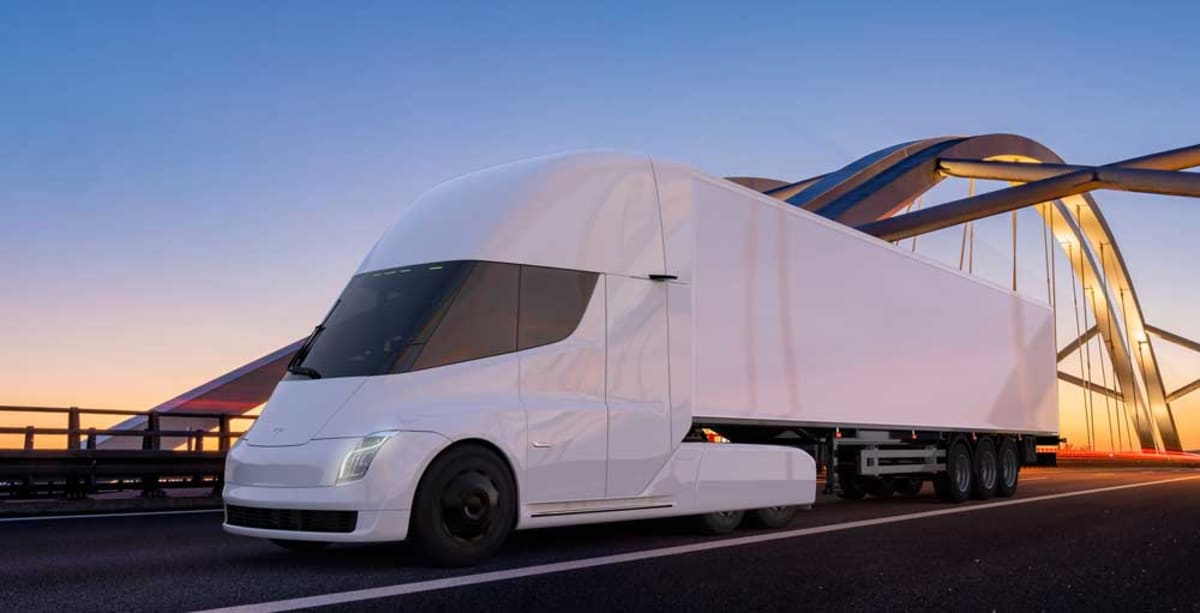
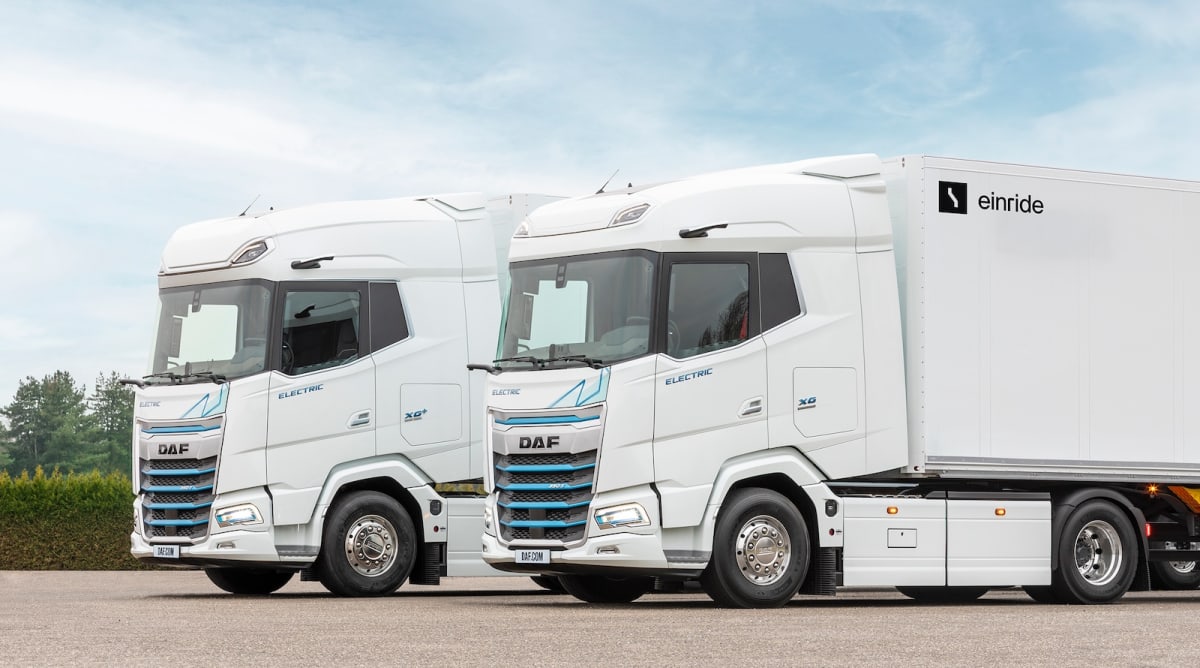
Thailand's roads are about to get a whole lot cleaner as electric trucks and vans prepare to revolutionize the country's commercial transport sector.
Electric vehicle sales in Thailand jumped 80% last year, reaching over 120,000 units, and industry experts predict 2026 will be the breakthrough year for commercial EVs. The catalyst? Oil prices that spiked by 6 baht per liter in late March following Middle East tensions, pushing businesses to rethink their fuel costs.
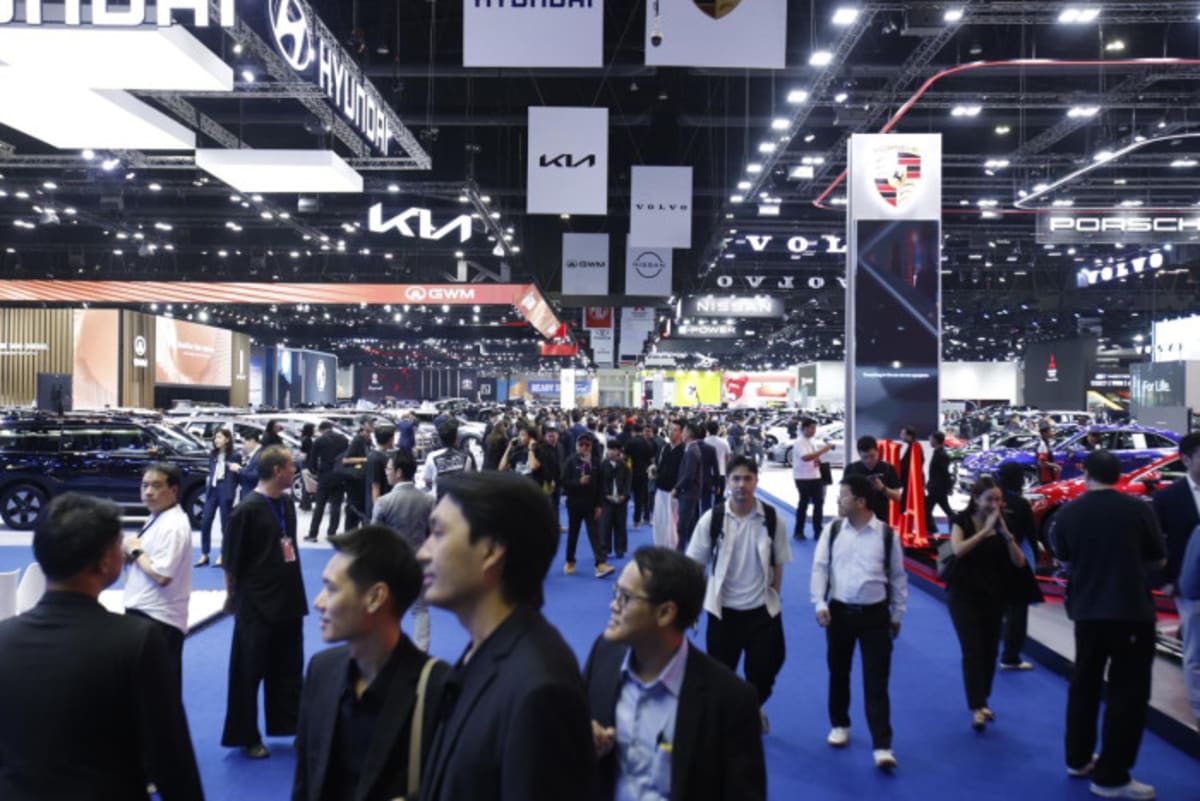
The Electric Vehicle Association of Thailand is watching interest surge at the Bangkok International Motor Show, where electric trucks are stealing the spotlight from passenger cars. Transport companies, logistics firms, and even government agencies are lining up to slash their fuel expenses by switching from diesel to electric.
Major industries are already making moves. Cement giant Siam City Cement is evaluating a purchase of 200 heavy-duty electric trucks from Chinese manufacturer Dongfeng, whose drivers are currently test-driving the vehicles for three months. Consumer goods companies are exploring similar transitions as diesel costs continue to climb unpredictably.
China's EV brands are betting big on Thailand, attracted by the government's EV 3.0 and EV 3.5 programs that offer tax cuts and subsidies to manufacturers. Dongfeng just launched its first heavy-duty electric tractor in the Thai market, planning to sell 100 units this year and 300 next year. The company is even considering building a manufacturing plant in Thailand and investing in truck charging stations across the country.
The Ripple Effect
Thailand's transformation into an electric vehicle hub extends far beyond cheaper transportation costs. The country's carbon neutrality policy is attracting fresh foreign investment and positioning Thailand as Southeast Asia's leader in clean commercial transport. As logistics networks go electric, air quality in major cities should improve while operational costs drop for businesses of all sizes.
The shift is creating new jobs in EV manufacturing, charging infrastructure, and vehicle maintenance. Local partnerships between Chinese manufacturers and Thai companies are forming, bringing technology transfer and expertise to the region.
Even skeptics acknowledge the momentum is real, though some industry voices like Mercedes-Benz Thailand note that hybrid vehicles remain popular alternatives for consumers not ready to go fully electric.
For truckers and fleet managers watching fuel prices swing wildly, the choice is becoming clearer every day: stick with unpredictable diesel costs or invest in electric vehicles with stable, lower operating expenses. Based on early adoption rates and government support, thousands are choosing electricity over oil.
Thailand's electric truck revolution proves that environmental progress and business savings can drive change faster than policy alone ever could.
More Images


Based on reporting by Bangkok Post
This story was written by BrightWire based on verified news reports.
Spread the positivity!
Share this good news with someone who needs it