Thailand's New Cement Cuts CO2 Emissions by 40%
Thailand is developing a revolutionary low-carbon cement that slashes emissions by 40% while maintaining strength, with commercial production targeted for 2030. The innovation could transform one of the world's most polluting industries into part of the climate solution.
The cement industry is getting a massive green makeover in Thailand, and it could change how the world builds.
The Thai Cement Manufacturers Association is fast-tracking development of Calcined Clay Cement, a breakthrough material that cuts carbon dioxide emissions by up to 40% compared to traditional cement. The innovation maintains the same strength and durability builders depend on while dramatically reducing the industry's climate impact.
This matters because cement production accounts for nearly 8% of global CO2 emissions. As one of the world's "hard-to-abate" industries, finding real solutions has proven incredibly difficult until now.
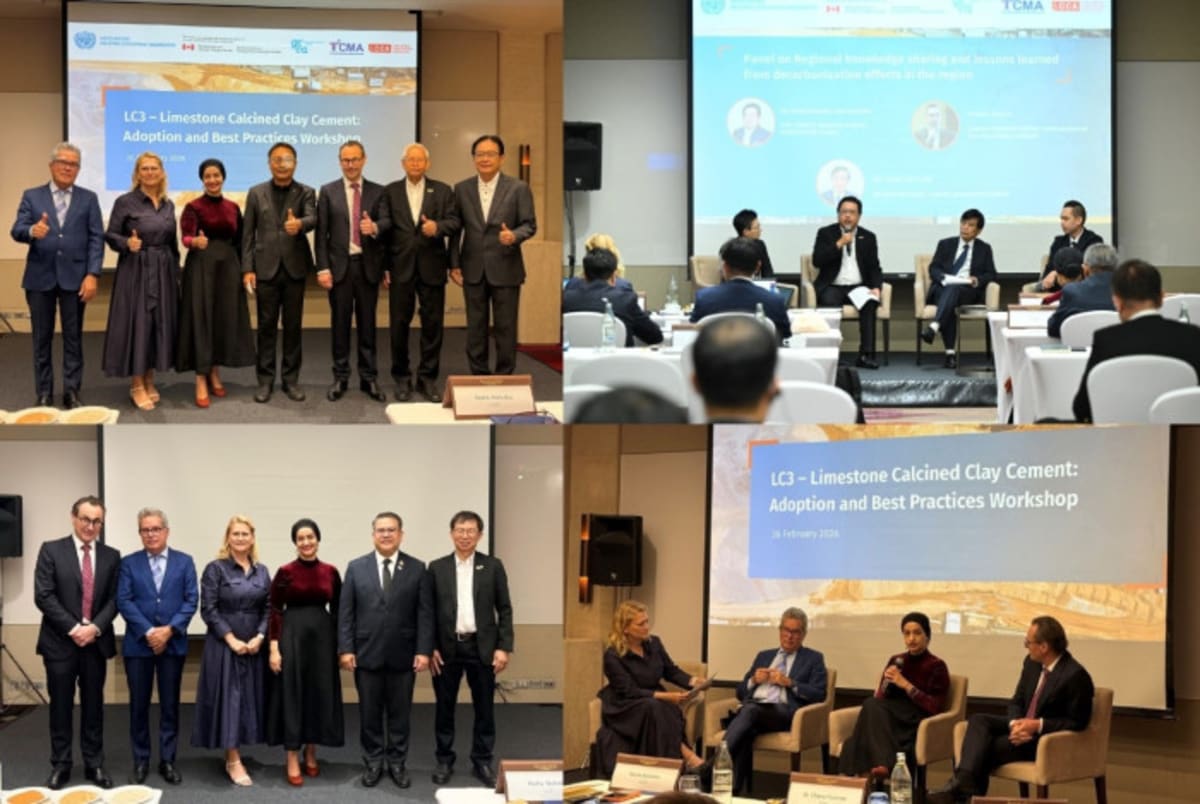
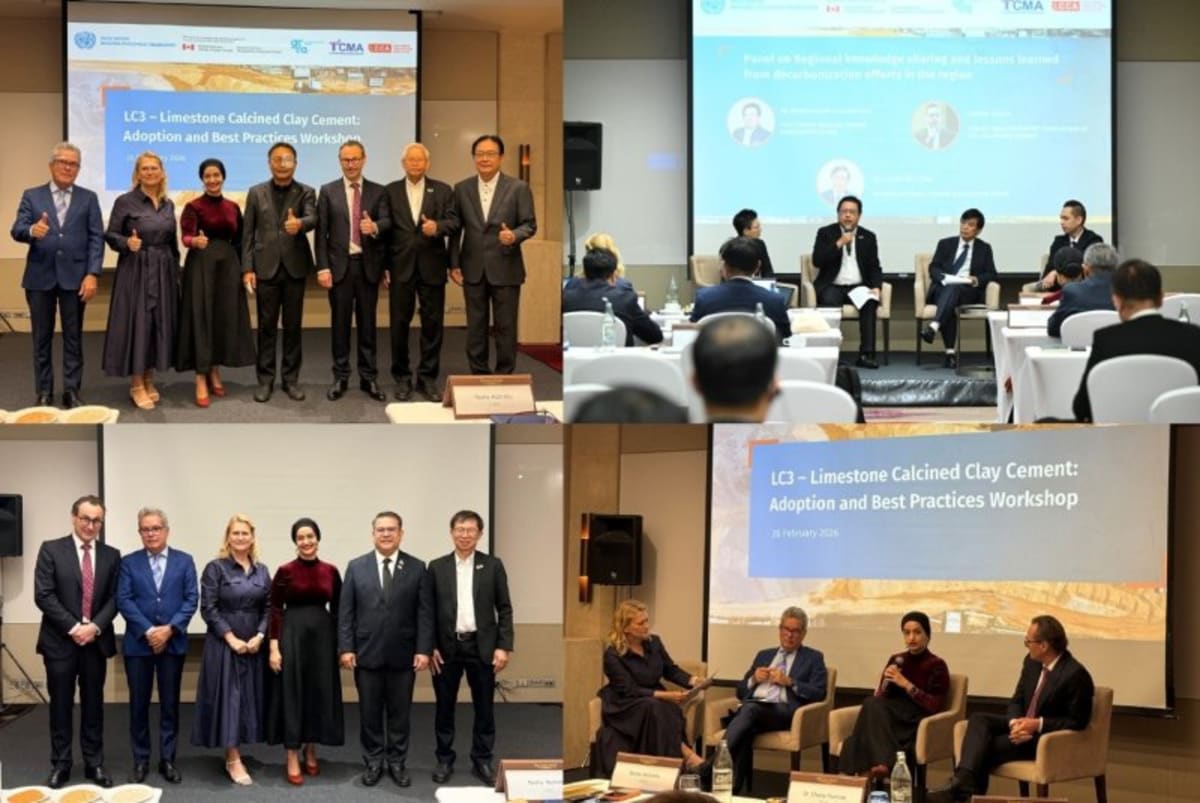
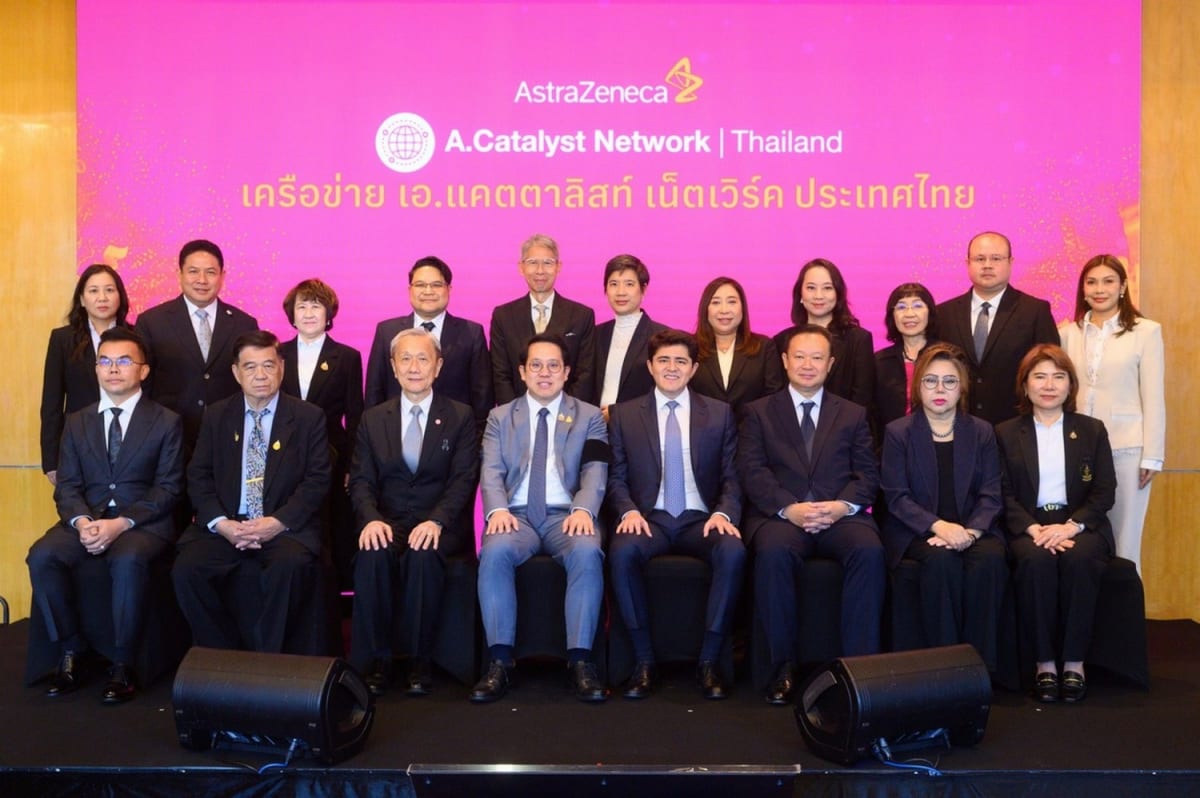
Dr. Chana Poomee, Honorary Chairman of the association, shared the progress at a recent United Nations workshop focused on decarbonizing Thailand's cement sector. The initiative aligns with Thailand's commitment to reach net zero emissions by 2050 and supports the country's climate goals set for 2030.
The secret lies in the chemistry. By significantly reducing the clinker factor (the most carbon-intensive component) and replacing it with specially treated clay, the new cement achieves massive emissions cuts without sacrificing quality.
Thailand isn't starting from scratch either. The industry already successfully introduced hydraulic cement as the country's main structural cement, cutting approximately one million tons of CO2 annually.
The Ripple Effect
The benefits extend far beyond Thailand's borders. Through the ASEAN Federation of Cement Manufacturers, the country is sharing knowledge and technical expertise with neighboring nations, creating a regional pathway toward cleaner construction across Southeast Asia.
Thailand is testing the approach in the SARABURI SANDBOX, a pilot area where low-carbon cement production integrates with alternative fuels and renewable energy. This real-world laboratory helps identify challenges before scaling nationwide.
The government is supporting the transition through policy frameworks, green public procurement, and financial instruments. International experts are contributing technical standards and knowledge transfer to ensure the transition succeeds.
Commercial production targets 2030, giving the industry time to establish supply chains for raw materials, finalize product standards, and build market confidence. Success requires coordination between government agencies, manufacturers, and construction companies working together toward shared climate goals.
If Thailand achieves its vision, the cement industry transforms from climate villain to climate hero, proving that even the toughest industries can innovate their way to sustainability.
More Images
Based on reporting by Regional: thailand innovation (TH)
This story was written by BrightWire based on verified news reports.
Spread the positivity!
Share this good news with someone who needs it