Thailand's Rubber Farmers Get Help Meeting Green Standards
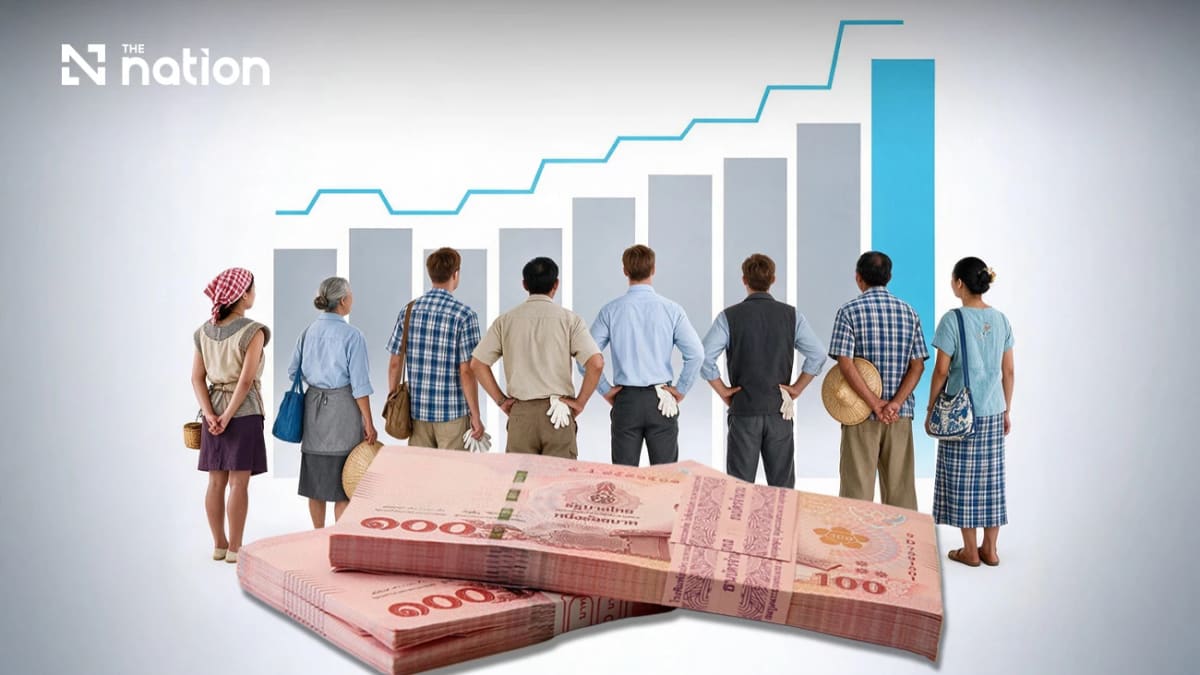
Small rubber farmers in Thailand worried about losing European markets are getting unexpected support from private companies. New tech platforms are helping 1.7 million smallholders prove their rubber doesn't come from deforested land.
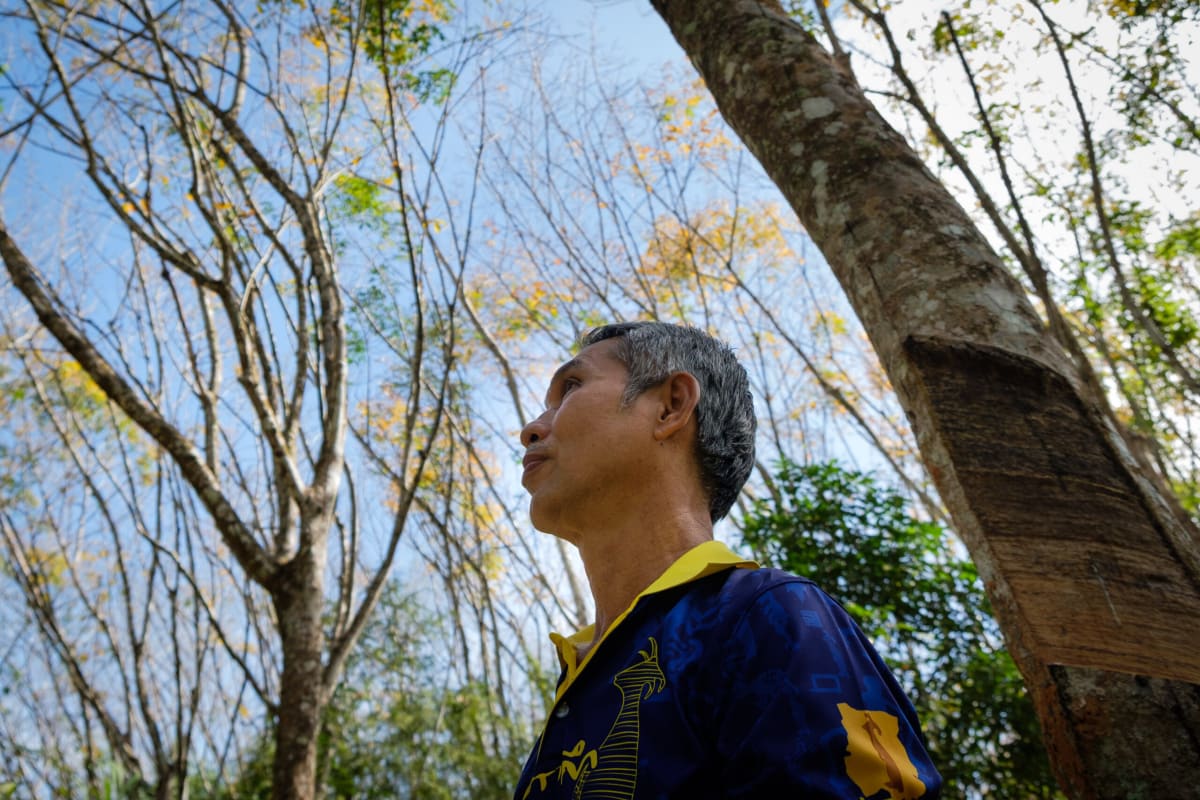
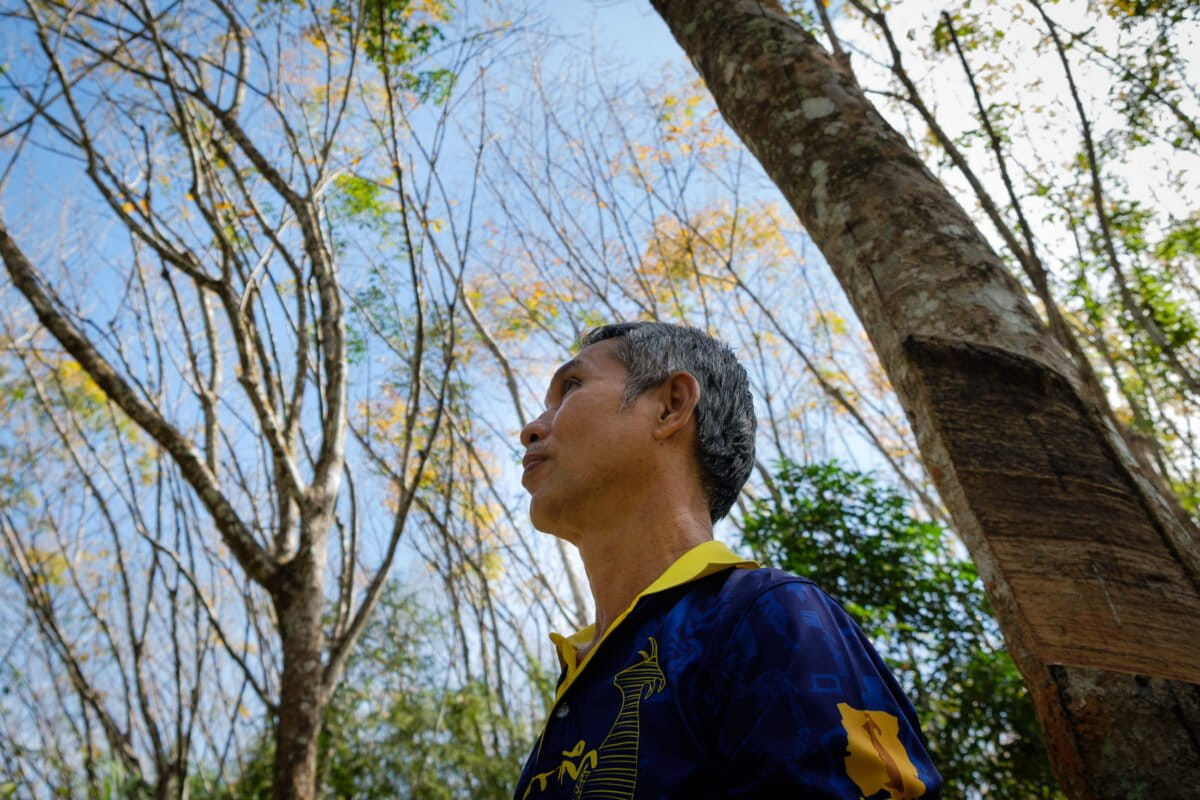
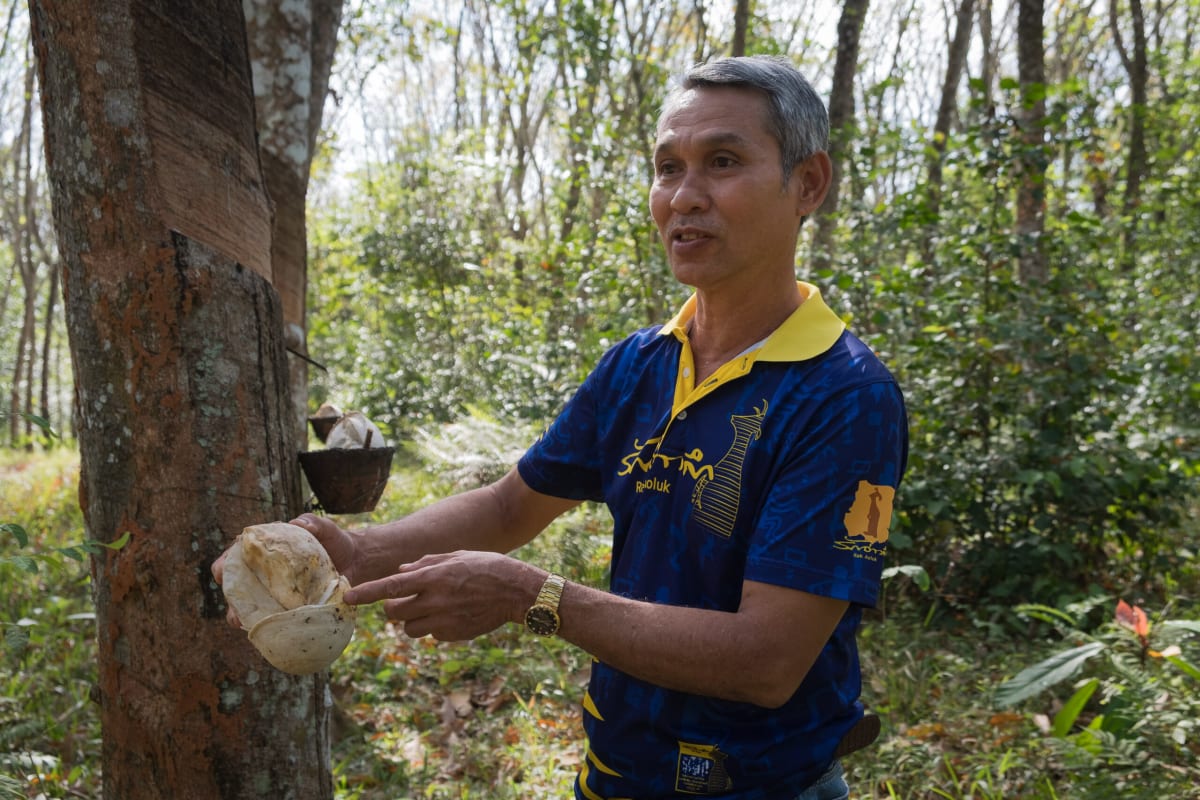
Sathit Phromraksa taps 500 rubber trees by hand on his four-acre farm in southern Thailand, just like his father did before him. But now, at 59, he faces a challenge his father never imagined: proving to European buyers that his rubber didn't come from cleared forests.
Starting in 2027, only Thai rubber farmers who can show their land wasn't deforested after 2020 can sell to European markets. For a country where 1.7 million small farmers produce 90% of the nation's rubber supply, that's a tall order.
The requirement sounds simple, but the reality is complicated. Farmers need digital maps of their plots, legal land documents, and proof of ethical labor practices. Most smallholders don't have smartphones capable of this work, let alone the technical know-how.
That's where an unexpected wave of help is arriving. Private companies that buy and process rubber are stepping in with custom technology platforms to help farmers comply. They're providing the tools and training that smallholders need to map their farms and track their rubber from tree to truck.
The assistance makes business sense. Thailand's rubber industry supports one in four farming families and generates billions in exports. Companies can't afford to lose their supplier base.
The Ripple Effect
This story goes beyond saving market access. It's showing how environmental regulations can spark collaboration instead of just creating winners and losers.
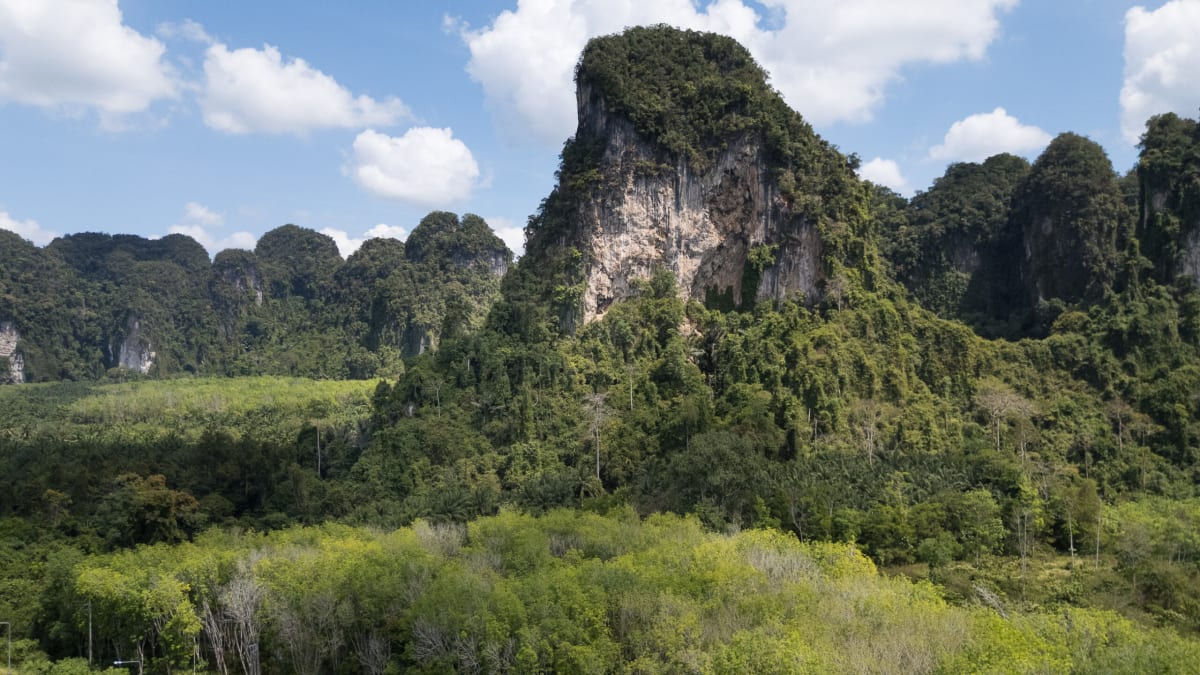
Government agencies are pitching in too. The Rubber Authority of Thailand has already mapped 79% of the country's rubber production area, covering 7.7 million acres across millions of small plots. That's monitoring an area larger than Maryland.
The private sector tools are filling gaps the government can't reach quickly enough. Tech platforms are tracking individual batches of rubber through Thailand's notoriously fragmented supply chain, where thousands of middlemen have traditionally mixed rubber from different sources without asking questions.
Sathit now follows organic farming practices on the land he inherited, avoiding the heavy pesticides his father once used. The new traceability requirements are pushing more farmers toward sustainable methods.
Experts say the real test will be whether this support continues beyond the compliance deadline. Small farmers need ongoing investment and partnership, not just a one-time fix to meet regulations.
For now, farmers like Sathit are getting the backing they need to adapt. In Thailand's rubber heartland, the push for deforestation-free supply chains is creating unexpected allies and proving that environmental progress doesn't have to leave small producers behind.
More Images

Based on reporting by Mongabay
This story was written by BrightWire based on verified news reports.
Spread the positivity!
Share this good news with someone who needs it