Thailand's Swift Ebola Response Protects Travelers
Thailand is showing the world how proactive public health works, implementing comprehensive monitoring systems to keep residents and visitors safe amid a Central African outbreak. Ten travelers are already under careful observation, and new protective measures are expanding daily.
When health challenges emerge halfway around the world, Thailand isn't waiting to see what happens. The country is taking decisive action to protect everyone within its borders.
Thailand's Ministry of Public Health has activated enhanced monitoring protocols after the World Health Organization declared an Ebola outbreak in Uganda and the Democratic Republic of the Congo a global health emergency on May 17. The swift response shows how far pandemic preparedness has come since 2020.
Ten travelers from the affected regions have already arrived in Thailand. Eight came from Uganda and two from the Democratic Republic of the Congo. All ten passed initial health screenings at airports and showed no symptoms of illness.
But Thai authorities aren't taking chances. Every traveler is now under observation for 21 days, the standard monitoring period for Ebola, with regular check-ins with disease control officers. This careful approach catches potential problems early while letting healthy travelers continue their lives normally.
The Department of Disease Control moved quickly to establish clear guidelines. On May 22, DDC director-general Montien Kanasawat presented proposed protocols to the academic committee under the Communicable Disease Act. The committee approved comprehensive measures the same day.
The new rules are tailored to risk levels. Travelers from Uganda without symptoms will check in regularly with health officers for three weeks. Those arriving from the Democratic Republic of the Congo, where the outbreak is more severe, will stay at designated quarantine facilities for the same period. Anyone showing symptoms gets immediate isolation and medical care at specialized healthcare facilities.
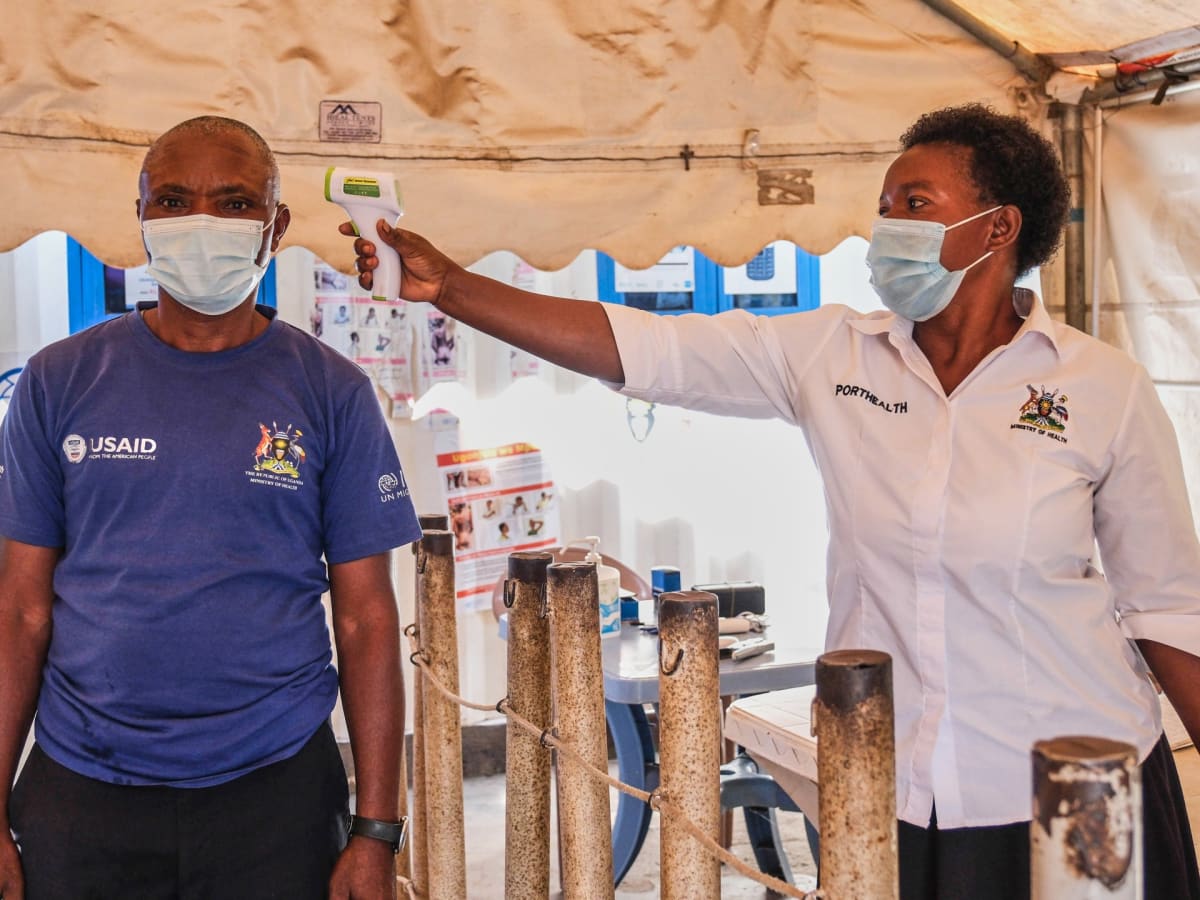
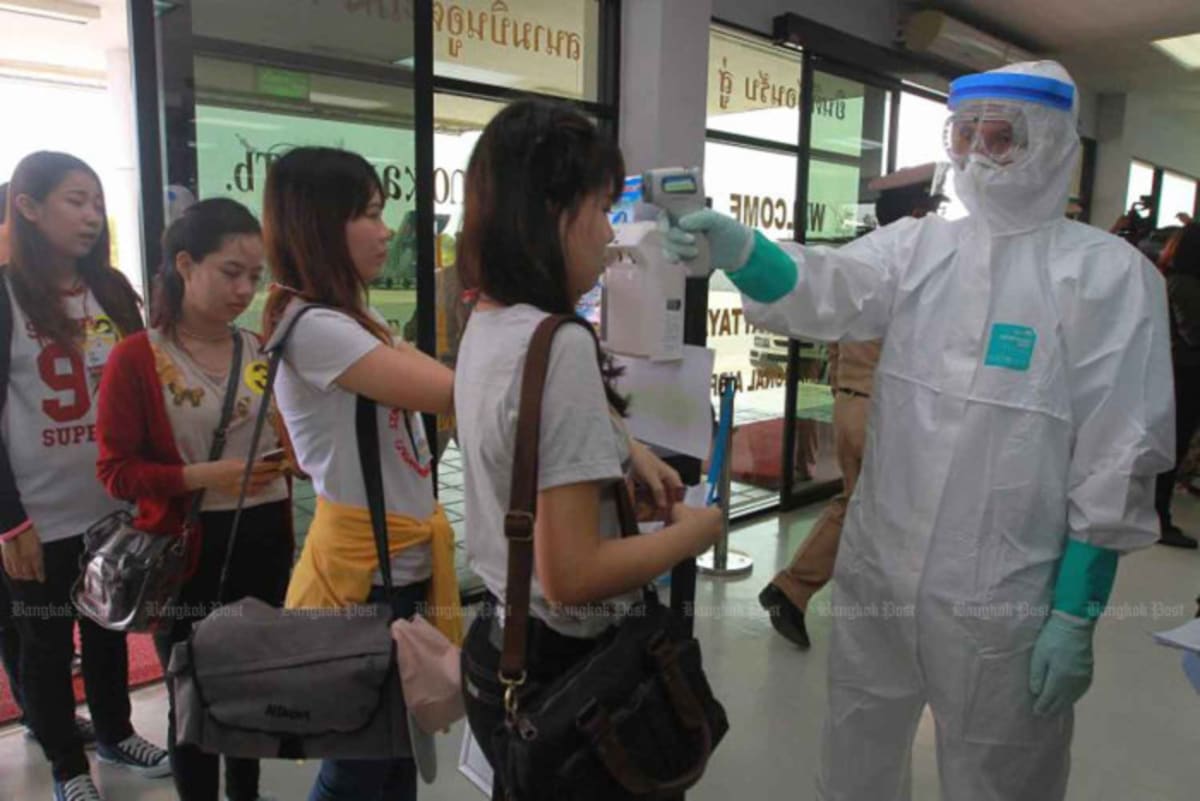
Thailand has been here before. In 2014, health workers at U-tapao airport practiced temperature screening protocols during a previous Ebola outbreak. That experience built the infrastructure and expertise now protecting the country.
The Bright Side
Thailand's response highlights how much better the world has gotten at handling infectious disease threats. Countries are sharing information faster, acting more decisively, and putting people's safety first without panic or chaos.
The Department of Disease Control is continuously assessing the outbreak and adjusting measures as conditions change. This flexible, evidence-based approach means protections stay strong without becoming unnecessarily restrictive.
Thai authorities are also helping citizens make informed choices. The DDC advised people to avoid non-essential travel to affected areas and to seek immediate medical attention if symptoms develop after returning home. Clear communication helps everyone stay safe.
The coordinated response between Thailand's Ministry of Public Health and Ministry of Foreign Affairs demonstrates how government agencies can work together seamlessly when public health demands it. These partnerships, built and strengthened over years, are now protecting lives.
While there's currently no approved vaccine for this Ebola strain, Thailand's layered defenses show that smart surveillance and rapid response can keep communities safe until medical solutions arrive.
More Images
Based on reporting by Bangkok Post
This story was written by BrightWire based on verified news reports.
Spread the positivity!
Share this good news with someone who needs it