Thailand's Wild Cattle Make Comeback, Locals Turn Guides
Once nearly extinct in Thailand, wild banteng cattle are thriving again thanks to community-led conservation. Former poachers are now leading ecotourism tours to watch these rare animals in their natural habitat.
Five years ago, seeing a wild banteng in Thailand meant trekking deep into remote forests and hoping for a glimpse. Today, villagers near Huai Kha Khaeng Wildlife Sanctuary watch entire herds wander into clearings just outside their homes.
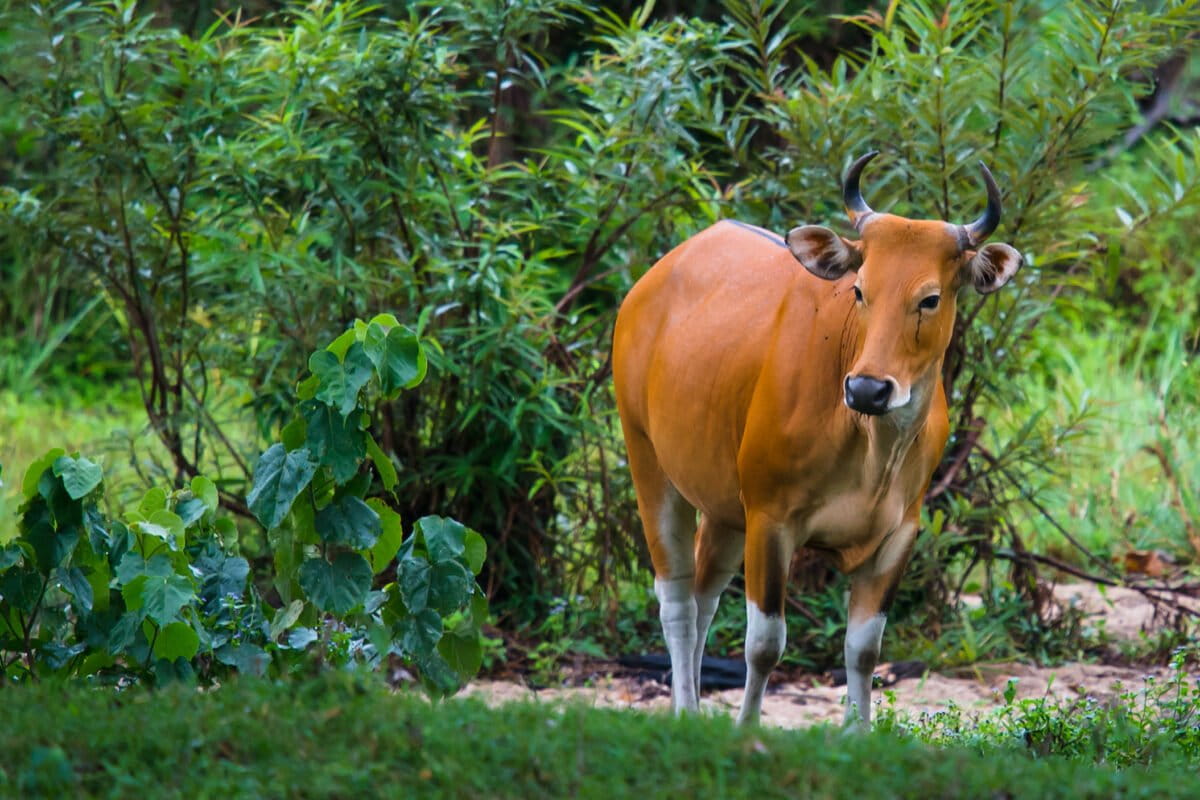
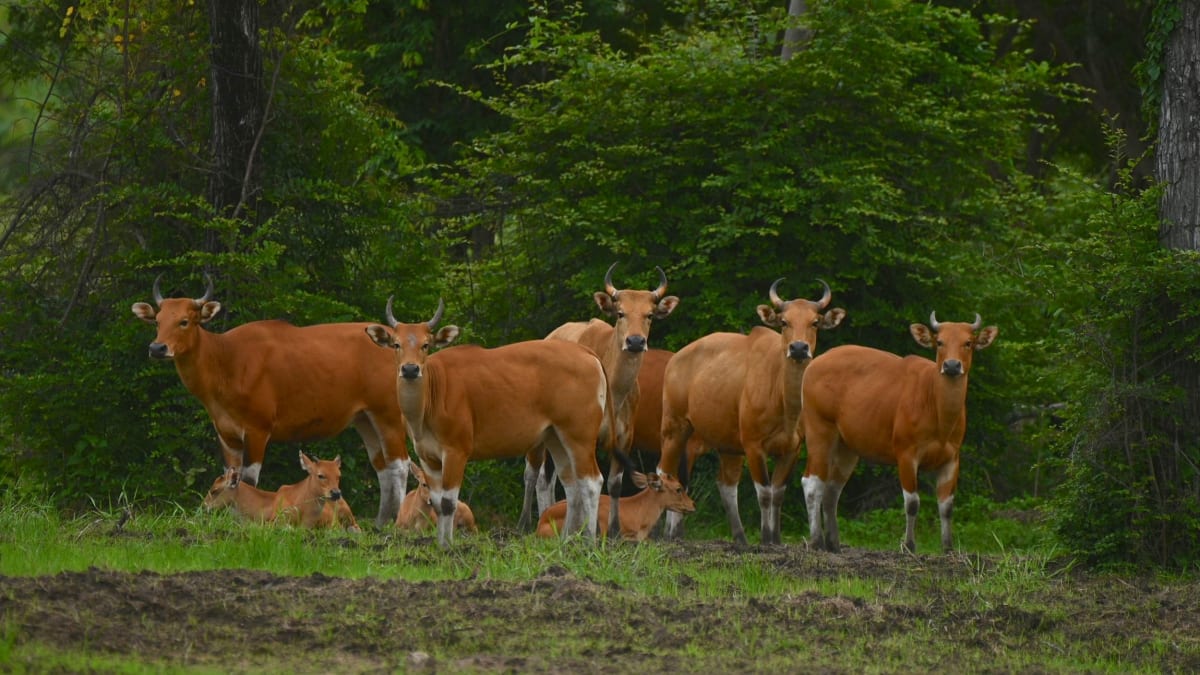
Banteng are rare wild cattle with russet bodies, white legs, and snowy rumps. They're also critically endangered, with fewer than 5,000 left worldwide after losing 80% of their population in recent decades.
But something remarkable is happening in Thailand's Uthai Thani province. The banteng population in Huai Kha Khaeng has doubled over the past 20 years to at least 1,400 animals, making it the largest herd in Southeast Asia.
The turnaround started in 2006 when rangers adopted a smarter approach to fighting poaching. Instead of heavy-handed military tactics that alienated local communities, they began using data-driven patrols that tracked wildlife signs and human threats. Rangers could finally focus their efforts where they mattered most.
The strategy worked. One researcher remembers walking through the forest in the 1990s and seeing only dead animals. Now, healthy herds graze openly in protected areas and even venture into surrounding buffer zones.
The Ripple Effect
The banteng recovery sparked an unexpected transformation in nearby villages. Residents who once saw the cattle as competitors or targets now see them as opportunities.
Boonlert Tianchang, a local villager, leads community-based ecotourism tours focused on banteng watching. Tourists visit the wildlife viewing platform overlooking an 8-hectare grassland where mothers, calves, and bulls browse vegetation peacefully. It's the only place in Thailand where you can see so many banteng at once.
The shift from poaching to protection creates powerful incentives for conservation. Families now earn income from the same animals they might have hunted before. Cultural attitudes are changing too, as villagers take pride in their role as wildlife guardians.
The benefits extend beyond banteng. As large herbivores, these cattle disperse seeds, cycle nutrients, and help manage vegetation in fire-prone forests. They're also essential prey for Indochinese tigers, leopards, and dholes, making them crucial for complete forest ecosystems.
Thailand has now scaled this patrol approach to 237 protected areas nationwide, with more than 10,000 staff trained in the methods. The banteng herds at Huai Kha Khaeng are so healthy that conservationists hope to use them for reintroduction programs in other areas where the species disappeared.
Every time Boonlert raises his binoculars to watch the herds, he thinks about all the work that brought them back from the brink.
More Images



Based on reporting by Mongabay
This story was written by BrightWire based on verified news reports.
Spread the positivity!
Share this good news with someone who needs it