Thames Swimming Spot Among 13 UK Rivers Getting Clean Status
Thirteen beloved UK swimming spots, including a historic stretch of the River Thames, are being considered for official bathing water status that would trigger stricter pollution monitoring and force water companies to clean up their act. Local swimmers who've been diving into these rivers for years could soon have legal protection and guaranteed water quality testing.
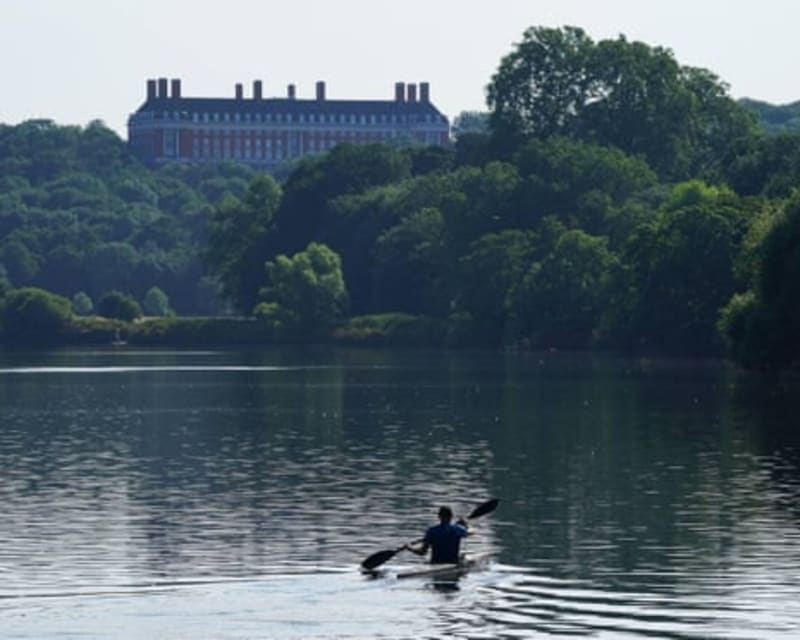
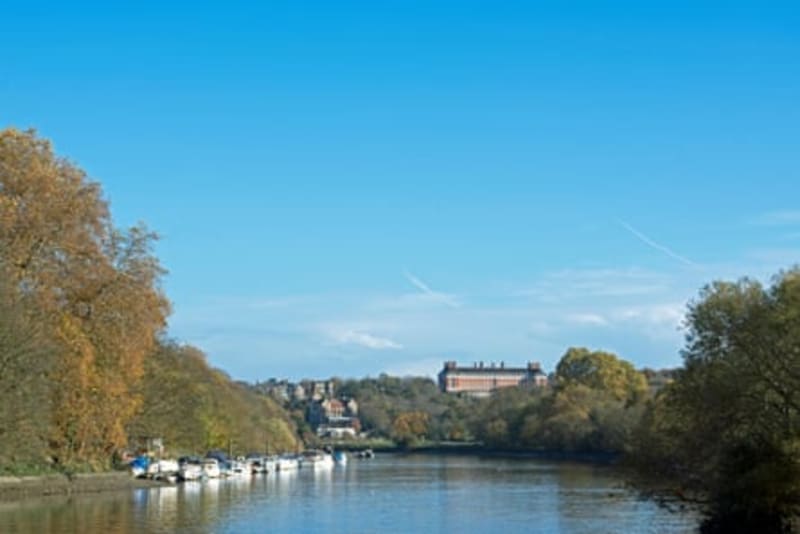
Thousands of year-round swimmers on the River Thames at Ham in southwest London just got one step closer to making their beloved swimming spot officially clean.
The Thames location is one of 13 sites across the UK shortlisted for designated bathing water status, which would require rigorous pollution testing and push water companies to drastically reduce sewage spills. For the first time, a stretch of the Thames in London would join this protected list.
Marlene Lawrence founded the Teddington Bluetits swimming group, which now has over 2,000 members who regularly swim in the Thames. She and her colleagues gathered evidence showing the site's year-round use and submitted the application. "This would be amazing for the river and for the many people who enjoy it," Lawrence said.
The designation isn't just symbolic. When the River Wharfe at Ilkley in West Yorkshire became England's first designated river bathing site, Yorkshire Water invested more than £85 million in infrastructure improvements to boost water quality.
Other shortlisted locations include rivers that inspired literary classics, like Pangbourne Meadow in Berkshire where Kenneth Grahame dreamed up The Wind in the Willows. The River Swale in Richmond, Yorkshire, and the River Fowey in Cornwall also made the list.
Deborah Meara chairs Save our Swale, the volunteer group that applied for their local swimming spot. Her team spent countless hours sampling water quality, often in pouring rain. "Hundreds of people use this location in the summer months and they deserve to bathe in their local river without risk from raw sewage pollution," she said.
The movement started six years ago when campaigners began fighting for rivers to receive the same bathing water protections as beaches. Rivers across the UK have suffered from sewage discharge, agricultural runoff, and chemical pollution.
If all 13 sites receive approval after a six-week public consultation, the UK would have 464 designated bathing water areas. Water companies would face legal pressure to cut pollution at each location, with the Environment Agency required to monitor for harmful bacteria.
The Ripple Effect
The impact goes far beyond cleaner swimming holes. These designations create a legal framework that forces systemic change in how water companies manage waste.
When communities win bathing water status, multi-million pound infrastructure investments follow. Water companies must upgrade sewage systems, reduce storm overflow spills, and maintain higher standards year-round.
France already has over 1,200 inland bathing sites, most rated excellent. The UK is playing catch-up, but these 13 new applications show momentum is building. Local communities are discovering they have the power to demand cleaner rivers and hold polluters accountable.
The success at Ilkley proved the model works. What started as a grassroots campaign by local swimmers triggered £85 million in improvements that benefit the entire ecosystem.
Water and flooding minister Emma Hardy captured what's really at stake: "Rivers and beaches are at the heart of so many communities, where people come together, families make memories, and swimmers of all ages feel the benefits of being outdoors safely."
More Images

Based on reporting by Guardian Environment
This story was written by BrightWire based on verified news reports.
Spread the positivity!
Share this good news with someone who needs it