The 1776 Diet: Americans Rediscover Colonial Whole Foods
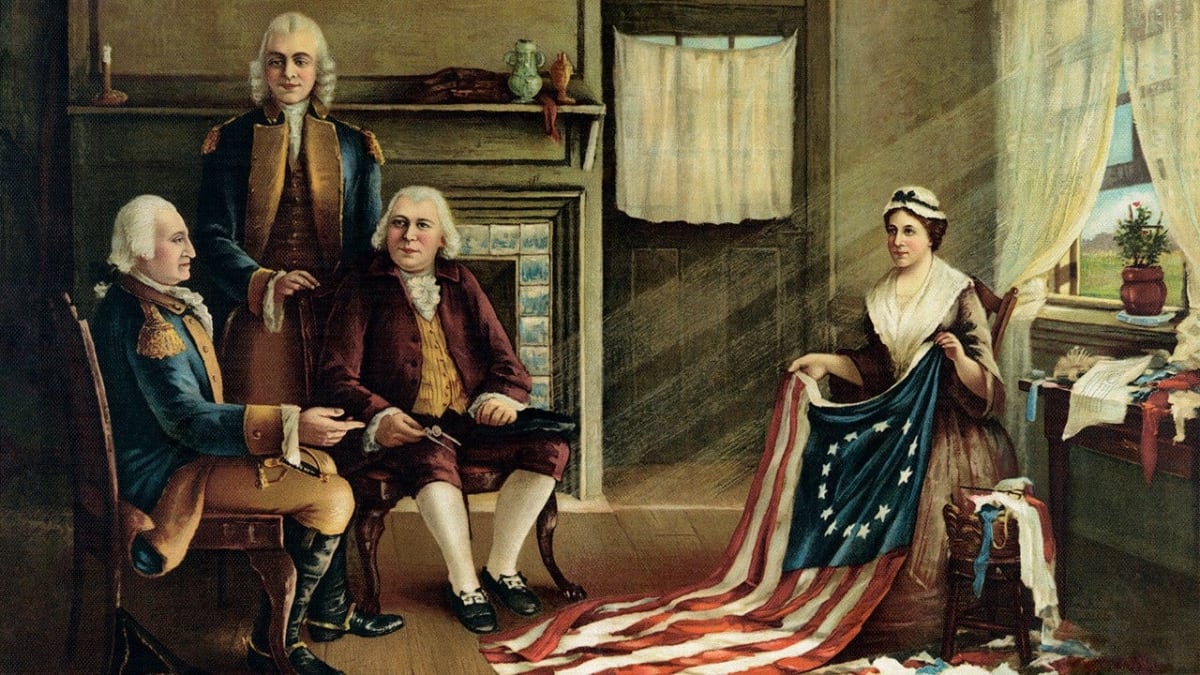
Modern health advocates are embracing what American colonists ate 250 years ago: locally sourced whole foods, organ meats, and minimally processed ingredients. It turns out our Founding Fathers knew something about nutrition that we're just rediscovering today.
Americans in 1776 didn't have grocery stores or processed foods, and that might have been exactly what kept them healthy.
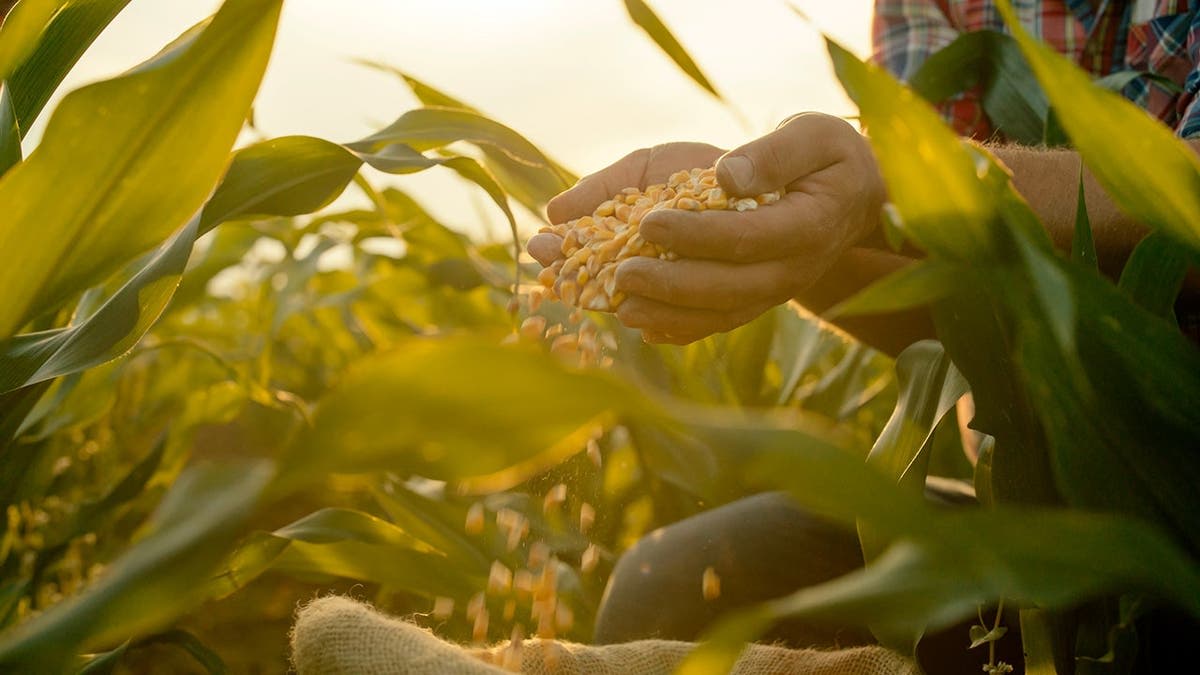
Colonial settlers ate what the land provided: corn introduced by Indigenous peoples, locally raised livestock, fresh seafood, and seasonal vegetables. They wasted nothing, incorporating organ meats and preserved foods into daily meals that would make modern nutritionists nod in approval.
Regional differences shaped their plates in fascinating ways. Southern colonists enjoyed rice and okra influenced by French and African cooking traditions, while northern settlers brought Dutch, English, and German recipes to their tables. Maryland's early residents feasted on rockfish and crab pulled fresh from the Chesapeake Bay.
The class divide showed up at mealtimes too. Working families ate salted fish, bacon, sausage, and organ meats out of necessity and economy. Wealthier colonists like Thomas Jefferson indulged in French wine and macaroni and cheese, though even his diet included black-eyed peas, turnip greens, and ham.
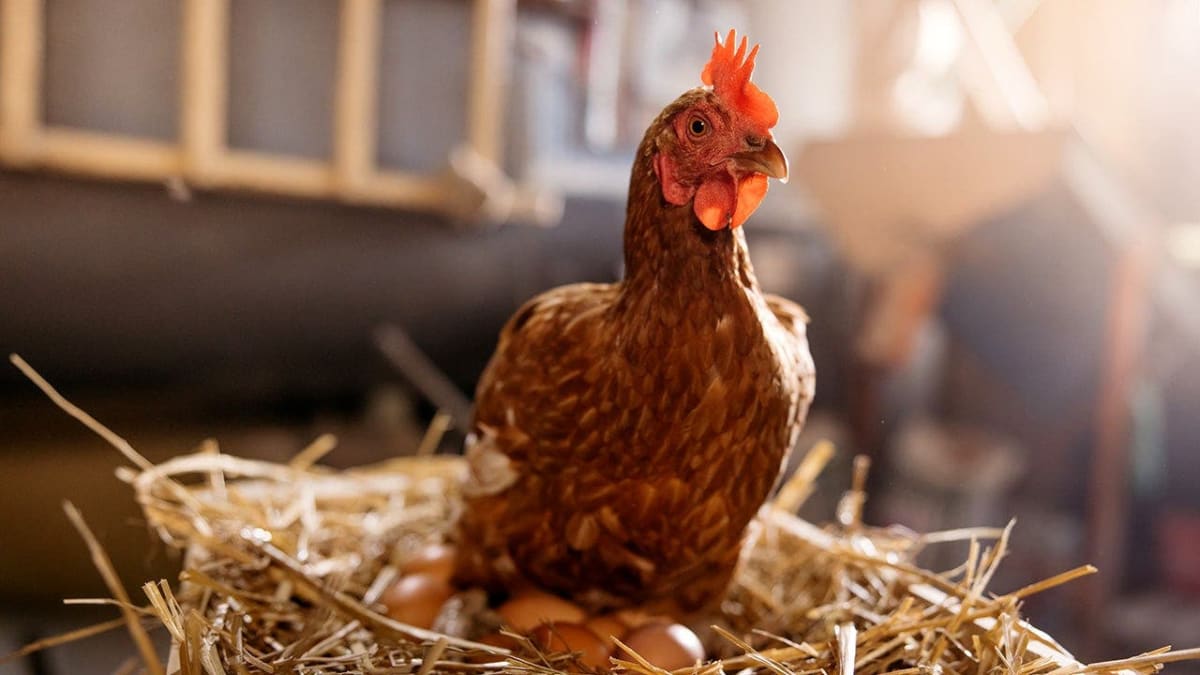
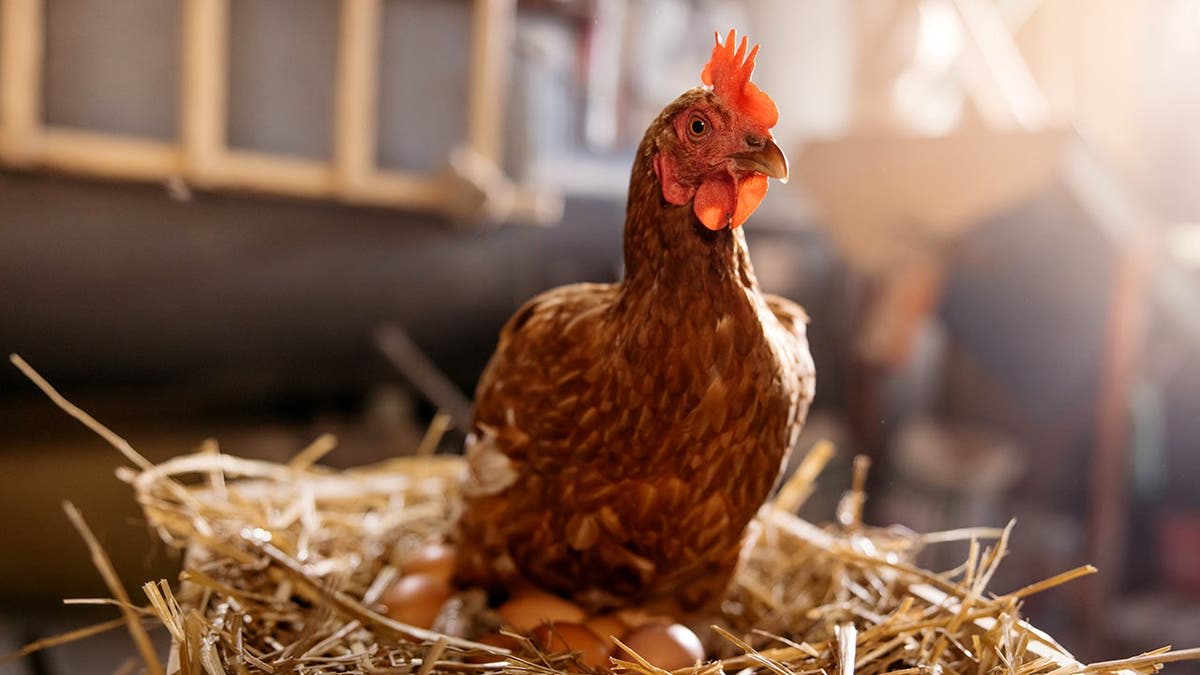
Nothing went to waste in colonial kitchens. Families saved chickens for eggs rather than meat, and when they butchered a pig or cow, every part found its way into a recipe. This nose-to-tail approach meant nutrient-dense organ meats appeared regularly on dinner tables across all social classes.
Why This Inspires
Today's Make America Healthy Again movement has rediscovered what colonists knew instinctively: organ meats provide some of the cheapest, most nutrient-dense food available. The whole foods movement echoes colonial cooking by emphasizing locally sourced, minimally processed ingredients over factory-made products.
New York University nutrition professor Lisa R. Young sees value in parts of the colonial approach. She recommends focusing on the healthiest aspects: plenty of fruits and vegetables, beans, whole grains, fish, and lean proteins. However, she cautions against copying everything from 1776, especially the high consumption of salted meats and the "staggering" amounts of alcohol colonists drank daily.
George Washington even kept a recipe for "small beer" in his military journal. The low-alcohol beverage served as a safer alternative to bacteria-laden water, though modern experts definitely don't recommend starting your day with ale like some Founding Fathers did.
The colonial approach to eating proves that good nutrition isn't complicated: eat real food, waste nothing, and cook at home.
More Images

Based on reporting by Fox News Health
This story was written by BrightWire based on verified news reports.
Spread the positivity!
Share this good news with someone who needs it