The 1926 Magazine That Launched Science Fiction
A century ago, a magazine called Amazing Stories created an entirely new genre and sparked a global community of fans. Its founder's vision shaped everything from Star Wars to your favorite streaming sci-fi today.
Before Star Wars, before Star Trek, before science fiction was even called science fiction, one magazine changed everything.
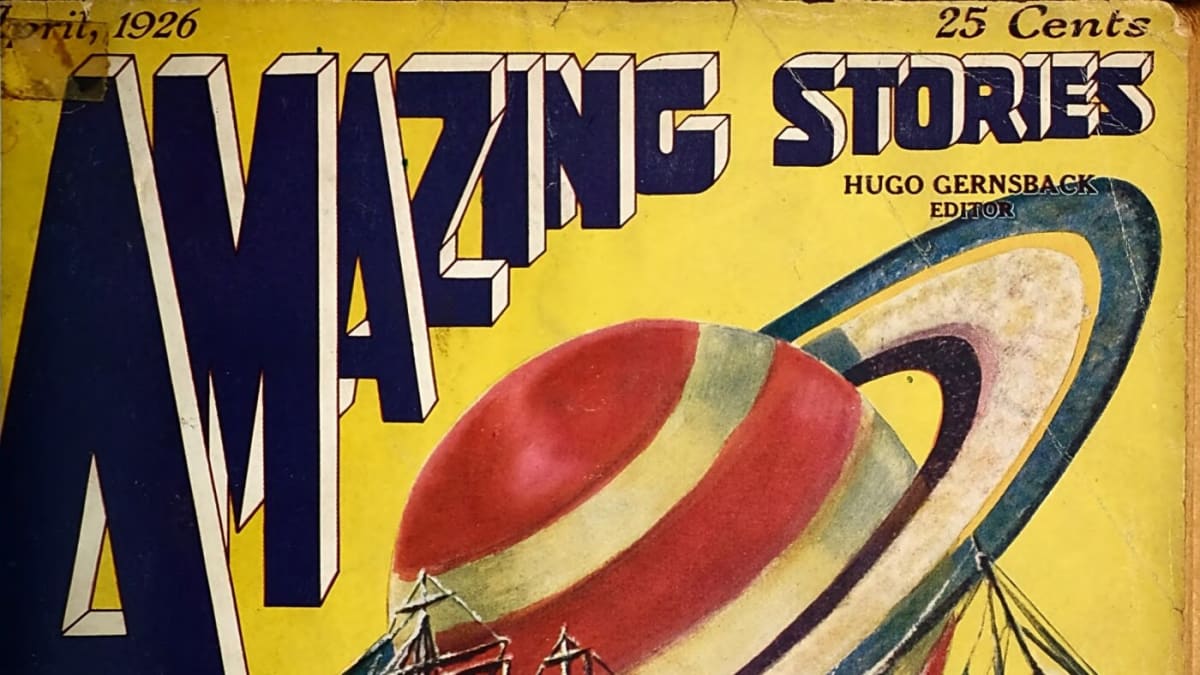
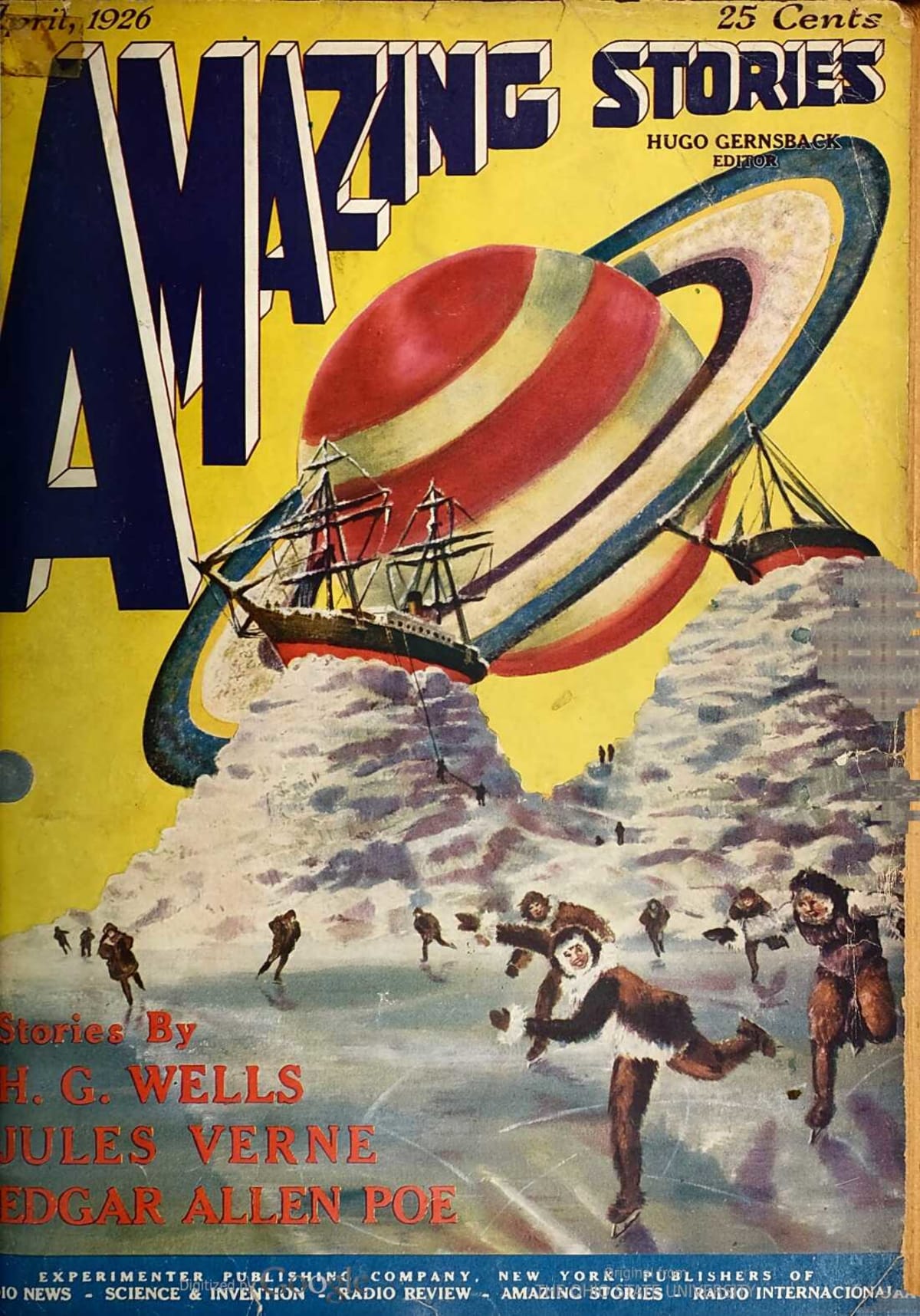
In March 1926, Amazing Stories hit newsstands with its first issue, priced at 25 cents. Publisher Hugo Gernsback had a wild idea: create the first magazine dedicated entirely to what he called "scientifiction," stories blending scientific facts with imaginative visions of the future.
"By 'scientifiction,' I mean the Jules Verne, H.G. Wells, and Edgar Allan Poe type of story," Gernsback wrote in that debut issue. "A charming romance intermingled with scientific fact and prophetic vision."
The name "scientifiction" never caught on, but everything else did. That first issue featured reprinted tales from Jules Verne and H.G. Wells, stories that had been scattered across different publications with no clear home or community around them.
Then Gernsback did something brilliant. He published reader letters with their full addresses, letting fans write directly to each other.
"Gernsback hit on the idea of using the letter column of his magazine to engender a community," says Steve Davidson, current publisher of Amazing Stories. Fans formed clubs with names like The Scienceers and the Science Fiction League, gathering to discuss their favorite stories and ideas.
This wasn't just about creating readers. It was about building a movement that would shape popular culture for the next century.
The Ripple Effect
Today, the Hugo Awards honor the best science fiction and fantasy writers every year at WorldCon, the World Science Fiction Convention. Both exist because of the fan community Gernsback sparked a hundred years ago.
Young readers who discovered Amazing Stories in the 1920s and 30s grew up to become NASA scientists, acclaimed authors, and filmmakers. One early contributor, G. Peyton Wertenbaker, later became a speechwriter for NASA, bringing his science fiction dreams into reality.
The magazine proved that stories about the future could inspire real scientific progress. It showed that imagination and facts could work together, that dreaming big could lead to building big.
Walk into any bookstore today and you'll find entire sections devoted to science fiction and fantasy. Turn on your streaming service and half the top shows feature spaceships, time travel, or alien worlds.
That's Gernsback's legacy living on, one story at a time.
More Images


Based on reporting by NPR Science
This story was written by BrightWire based on verified news reports.
Spread the positivity!
Share this good news with someone who needs it