The Brain Science Behind Great Leaders: Me vs. You
Outstanding leaders balance two distinct brain systems: one focused on self-awareness and another tuned into others' needs. New research reveals why this mental toggle separates good managers from transformational leaders.
A CEO candidate once told leadership expert Daniel Goleman he felt ready to run a company after receiving high marks at a workshop. But the trainer's assessment included one crucial word: "potentially."
The candidate had confidence but lacked something deeper. He never mentioned a vision for the organization, fresh strategies, or how he'd help others succeed. His thinking centered entirely on himself.
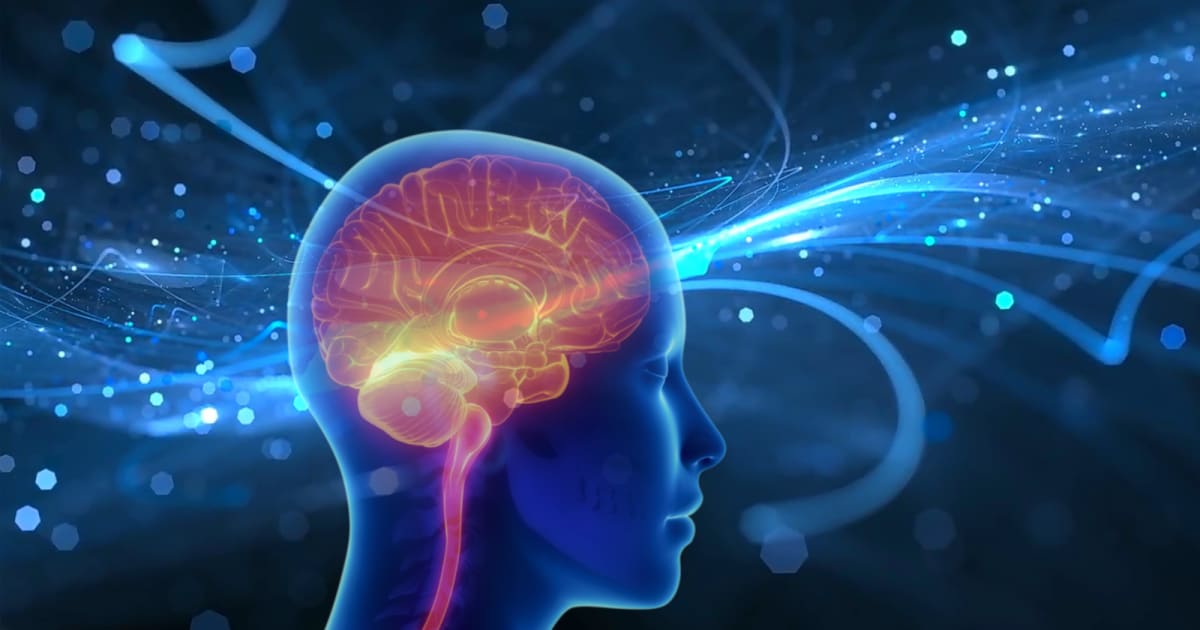
Harvard research reveals we spend about half our waking hours thinking about ourselves, our relationships, and our concerns. That number jumps to 90 percent during commutes, at work, and while looking at screens. These "me thoughts" originate in the brain's mid-prefrontal cortex, sometimes called the mind-wandering circuit.
This default mode activates the moment we lose focus, steering thoughts back to personal concerns. Staying focused requires active effort, though systematic training can strengthen this skill.
But great leadership demands more than self-focus. The best leaders master two distinct mental modes: "What about me?" and "What about you?"
Self-awareness and self-management represent the first half of emotional intelligence. Leaders must first lead themselves effectively, managing their feelings and maintaining positive attitudes and goals.
The second half requires entirely different brain circuitry. Social awareness and relationship management activate the brain's social circuits, enabling leaders to understand others' thoughts, tune into their feelings, and genuinely want to help them succeed.
Why This Inspires
These aren't abstract concepts but measurable brain functions. Leaders who excel as individual performers but fail in leadership roles often have deficits in their social circuitry. Meanwhile, highly effective leaders activate all three social brain networks simultaneously.
The missing CEO candidate never demonstrated this balance. His self-confidence couldn't compensate for his lack of vision for others or understanding of the organization's competitive ecosystem.
Today's hyper-distracted world makes the ability to focus at will increasingly valuable. The same prefrontal circuits that help us concentrate also help us manage emotions and achieve ambitious goals with grit.
The good news? Both systems can be trained and strengthened. Leaders who consciously toggle between "about me" and "about you" thinking develop the full emotional intelligence their teams and organizations need.
True leadership means asking both questions equally and genuinely caring about both answers.
More Images

Based on reporting by Mindful
This story was written by BrightWire based on verified news reports.
Spread the positivity!
Share this good news with someone who needs it