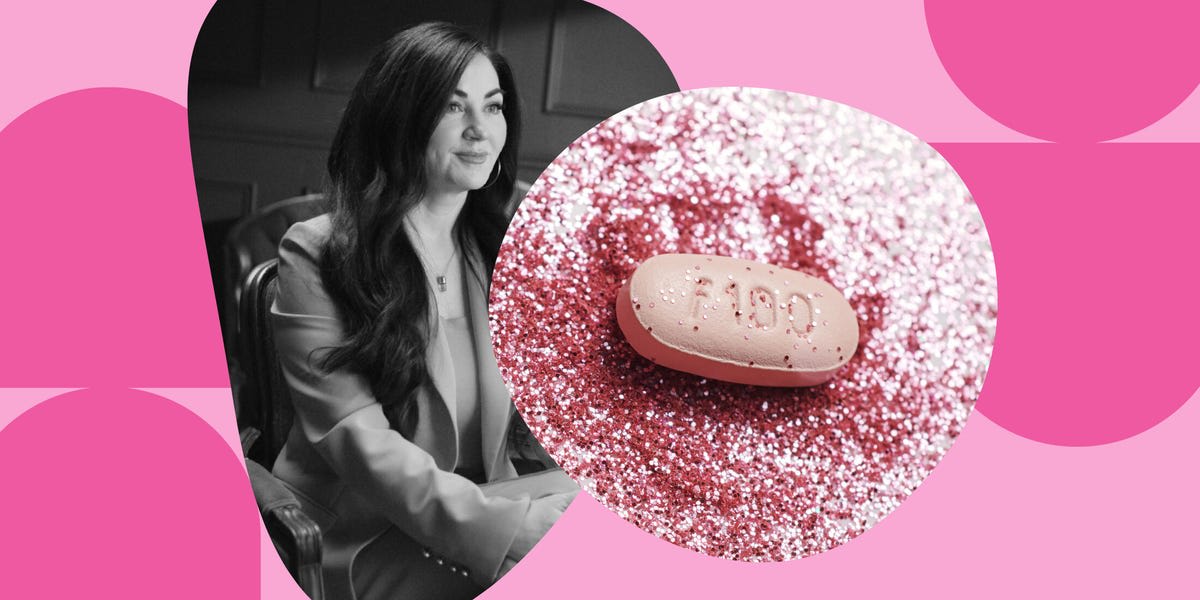
The Pink Pill Doc Shows FDA's Double Standard for Women
A new documentary reveals how the first medication for female sexual dysfunction faced five years of FDA obstacles while male ED drugs sailed through approval. The film exposes systemic bias in women's healthcare and celebrates the women who fought back.
After Viagra became a cultural phenomenon in 1998, landing on the cover of Time magazine, entrepreneur Cindy Eckert noticed something troubling. Her medication for women's sexual dysfunction had three times more patient data, yet faced endless scrutiny from the FDA.
Now streaming on Paramount+, "The Pink Pill" documents Eckert's five-year battle to get Addyi approved. The film premieres in Toronto on March 5 before its wider release the next day.
The documentary directed by Aisling Chin-Yee isn't just about one medication. It exposes how women's sexual health gets dismissed as frivolous while men's receives immediate attention and resources.
The numbers tell a stark story. By the time Addyi finally won approval, 26 medications already treated male sexual dysfunction. One of those drugs listed "penile rupture" as a side effect but still got approved faster than Addyi.
Dr. Sarah Cigna from George Washington University put it perfectly in an interview for the film. Men get 26 options because different treatments work for different people, but women got told one drug had to be perfect or the whole idea should disappear.
The film doesn't hide Addyi's side effects like sleepiness and nausea. Instead, it asks why the bar sits so much higher for women's medications than men's.
Real women with hypoactive sexual desire disorder share their experiences throughout the documentary. One particularly moving moment features Barbara Gattuso and her daughter Vicky, both diagnosed with HSDD, testifying at the FDA hearing in June 2015.
Why This Inspires
Joanna Griffiths, CEO of Knix and executive producer of the film, says every woman she knows has felt dismissed by the medical system. This documentary proves those experiences aren't isolated incidents but part of a larger pattern.
The film's real power comes from bringing shame-filled topics into the light. When women see their own struggles reflected on screen, they realize they're not alone and can advocate better for themselves.
Griffiths admits she'd never heard of HSDD before this project, despite experiencing low libido herself during hormonal changes and stressful periods. That's exactly why storytelling matters for driving change.
The documentary arrives at a critical moment when women's bodily autonomy faces attacks across America. Sexual pleasure connects directly to choice, agency, and the right to be respected by doctors and regulatory systems.
Eckert sees her story reflected in countless other women's experiences. The Pink Pill shows that fighting for women's healthcare isn't about perfecting one medication but trusting women to make informed choices about their own bodies.
More Images



Based on reporting by Womens Health
This story was written by BrightWire based on verified news reports.
Spread the positivity!
Share this good news with someone who needs it