%2Fhttps%3A%2F%2Ftf-cmsv2-smithsonianmag-media.s3.amazonaws.com%2Ffiler_public%2F8c%2F04%2F8c0478a5-02e7-46e0-beb8-0fa04e7244e9%2Ftougaloo-nine.png)
The Tougaloo Nine Changed Civil Rights History in 1961
Nine Black college students walked into a whites-only Mississippi library in 1961, knowing they'd be arrested for simply wanting to read. Their brave sit-in sparked a movement that deserves far more recognition in civil rights history.
On March 27, 1961, nine students from Tougaloo College walked through the doors of Jackson Municipal Library in Mississippi with one simple goal: to read books. Under segregation laws, their presence in the whites-only space was considered a crime.
The students had trained for weeks with civil rights legends like Medgar Evers, who investigated Emmett Till's murder and fought Jim Crow laws across Mississippi. They'd practiced staying calm under pressure and chosen books specifically unavailable at the underfunded Black library across town.
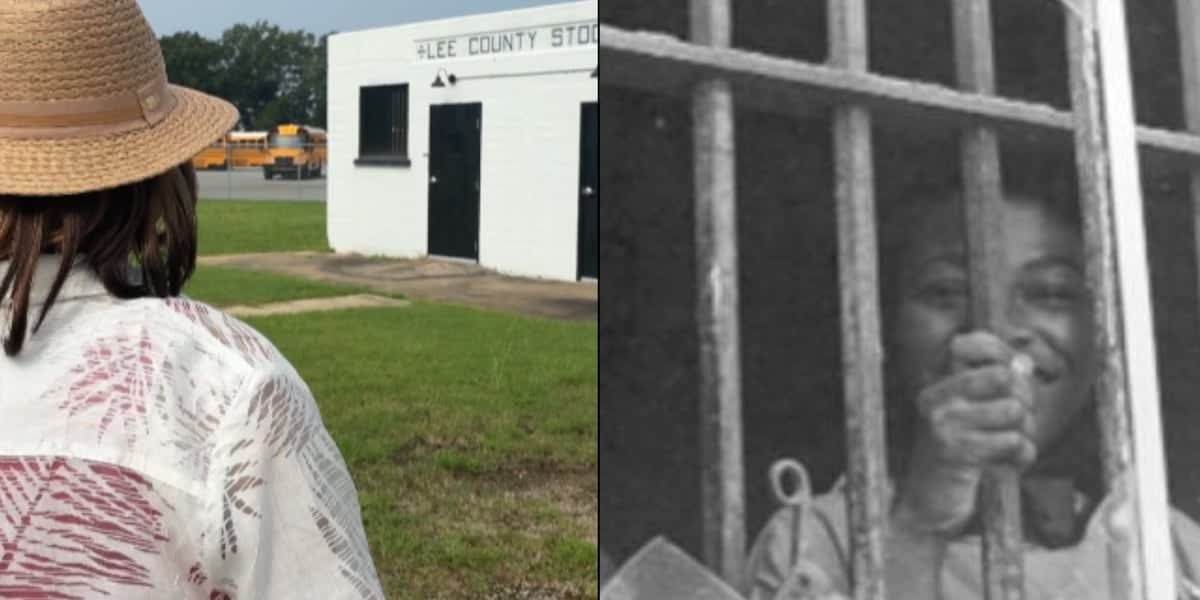
When they sat down to read, librarians called police as expected. The officers arrived and demanded they leave, but the Tougaloo Nine stayed in their seats. They were arrested and spent over 30 hours in jail, where student Joseph Jackson Jr. later recalled fearing for his life that night, thinking about Mississippi's history of lynching.
Their arrest sparked something powerful. Students from nearby Jackson State College took to the streets in protest, and the Black community rallied around them. Police responded with shocking violence, using dogs and billy clubs against peaceful demonstrators.
Those dog attacks in Jackson became the first documented use of police dogs against nonviolent civil rights protesters, two full years before the famous Birmingham attacks that made national headlines. Outside the courthouse on March 29, officers even attacked Medgar Evers and other supporters who came to show solidarity.
The court found all nine students guilty and fined them $100 each with 30-day suspended sentences. But their courage had already made waves. In a letter to NAACP leader Roy Wilkins, Evers praised them as "orderly, intelligent and cooperative" in the face of mounting tension.
The Ripple Effect: While the Tougaloo Nine's names aren't household words like other civil rights heroes, their impact rippled far beyond that library. Black families, especially women, brought hot meals and baked goods to the jail, creating tangible support for a growing resistance movement. Tougaloo College's leadership stood firmly behind the students, showing young activists they weren't alone in the fight.
Their simple question echoed across Mississippi: Why can't we read a book? That question, and their willingness to face arrest to ask it, helped chip away at segregation's foundation. The nine students proved that everyday acts of courage, even ones that don't make national headlines, can change the course of history.
Today, historians like Daphne Chamberlain and archivist Tony Bounds work to ensure the Tougaloo Nine get the recognition they deserve alongside better-known civil rights figures. These nine young people risked everything for the radical idea that knowledge shouldn't have a color line.
More Images
%2Fhttps%3A%2F%2Ftf-cmsv2-smithsonianmag-media.s3.amazonaws.com%2Ffiler_public%2F8c%2F04%2F8c0478a5-02e7-46e0-beb8-0fa04e7244e9%2Ftougaloo-nine.png)
%2Fhttps%3A%2F%2Ftf-cmsv2-smithsonianmag-media.s3.amazonaws.com%2Ffiler_public%2F8c%2F04%2F8c0478a5-02e7-46e0-beb8-0fa04e7244e9%2Ftougaloo-nine.png)
%3Afocal(750x500%3A751x501)%2Fhttps%3A%2F%2Ftf-cmsv2-smithsonianmag-media.s3.amazonaws.com%2Ffiler_public%2F8c%2F04%2F8c0478a5-02e7-46e0-beb8-0fa04e7244e9%2Ftougaloo-nine.png)
%2Fhttps%3A%2F%2Ftf-cmsv2-smithsonianmag-media.s3.amazonaws.com%2Ffiler_public%2F09%2F6b%2F096bd2df-c207-46bb-a10d-12690ab16641%2F21_-_sam_bradford_reding_copy.jpg)
Based on reporting by Smithsonian
This story was written by BrightWire based on verified news reports.
Spread the positivity!
Share this good news with someone who needs it
%2Fhttps%3A%2F%2Ftf-cmsv2-smithsonianmag-media.s3.amazonaws.com%2Ffiler_public%2F51%2F62%2F51625ade-c2d1-4eff-aec9-4262cb020a02%2Fedistone-hotel_19-1024x575.jpg)
%2Fhttps%3A%2F%2Ftf-cmsv2-smithsonianmag-media.s3.amazonaws.com%2Ffiler_public%2F06%2F16%2F06162d97-5766-41f6-b530-354448ba8fbc%2Fhisl008_ec276.jpg)