Therapists Use D&D to Help Students Open Up in Therapy
Therapists at DePaul University are running group therapy sessions through Dungeons & Dragons, helping students work through grief, trauma, and anxiety while rolling dice and slaying dragons. Research shows the beloved game builds confidence, problem-solving skills, and social connections that translate to real-world mental health gains.
Opening up in therapy can feel scary, but slaying a dragon? That's an adventure worth joining.
Victoria Smith, a licensed clinical social worker at DePaul University, leads six students through weekly therapy sessions disguised as Dungeons & Dragons campaigns. She calls the program "Game to Grow," and it's making mental health support feel less intimidating for students who might skip traditional therapy groups.
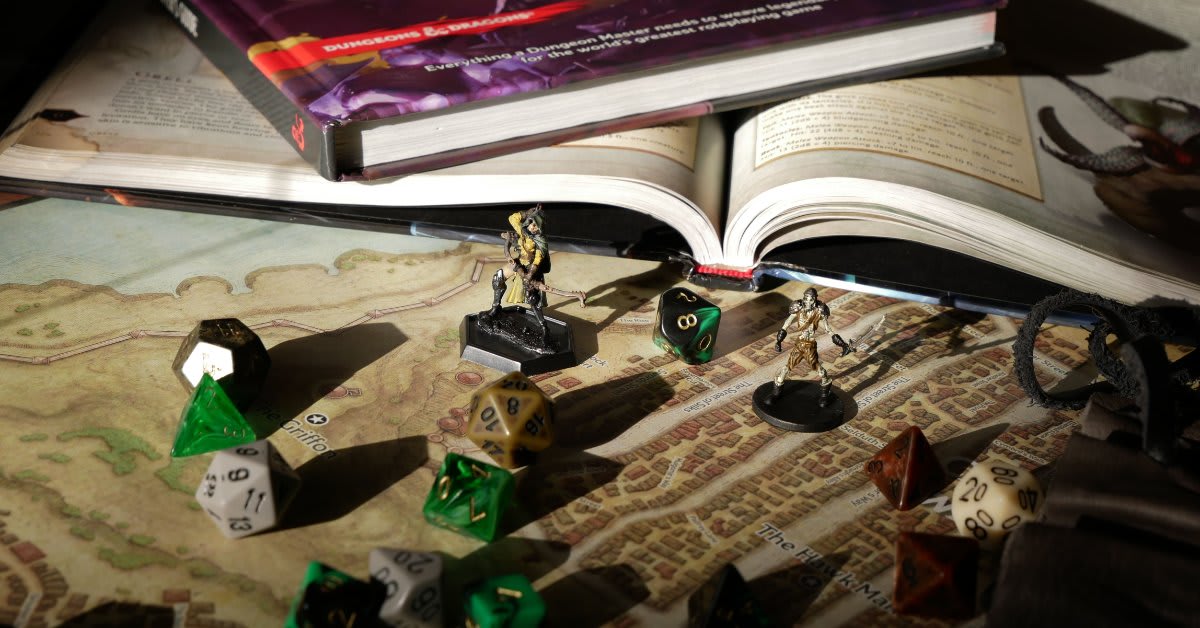
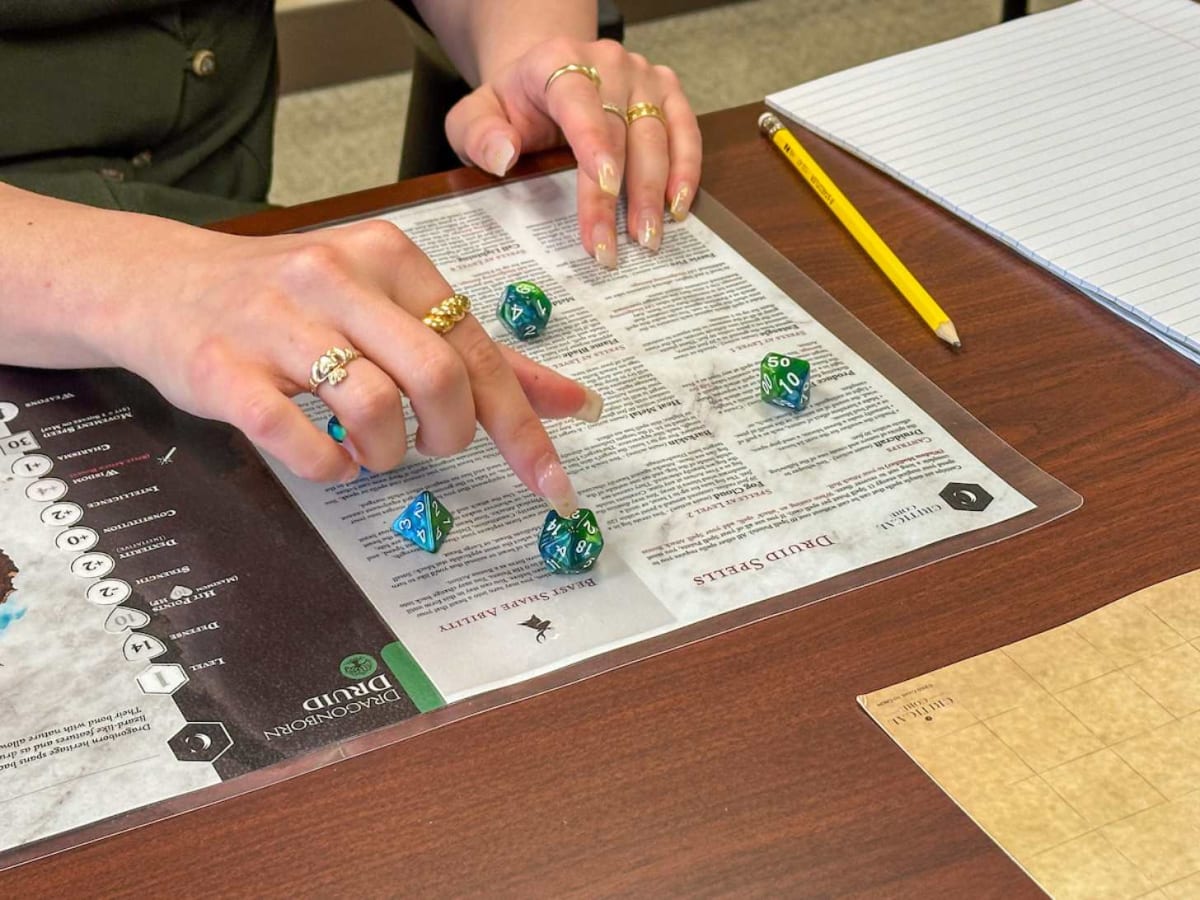
The setup looks like any D&D game. Students create characters with unique goals and motivations, then navigate fantasy worlds filled with magic and monsters. But between the sword fights and fire-breathing dragons, Smith weaves in real-life scenarios that mirror what students face every day.
"D&D therapy can feel more approachable than traditional therapy groups, providing a space where students can work on personal issues, develop skills, and most importantly, have fun," Smith told the university. Her colleague Nathaly Shammo, a social work intern, helps facilitate the sessions.
The game creates a safe emotional distance that paradoxically helps people get closer to their feelings. When students roleplay their characters working through conflict or making tough choices, they're actually practicing skills they need in real life.
The Ripple Effect
DePaul isn't alone in discovering D&D's therapeutic power. Therapists across the country are incorporating the 50-year-old tabletop game into their practices, addressing everything from social anxiety to trauma recovery.
Recent studies back up what these practitioners see in their sessions. Research shows D&D promotes identity-building and social connection, especially for adults who lack other outlets for creative exploration.
Emily Messina from Florida International University explains the psychology behind the magic. "The idea of being able to use leisure to structure your time and gain some wins lets you see a positive return on what you're dedicating your time to," she said. "That's going to turn into self-determination."
Students in the DePaul program report building confidence, improving problem-solving abilities, and learning to handle unexpected situations. The fantasy setting gives them permission to experiment with different responses and personalities without real-world consequences.
The sessions accomplish something traditional therapy sometimes struggles with: they make personal growth feel like play instead of work. Students show up excited for their next adventure, not dreading another therapy appointment.
Sometimes the best way forward is to imagine yourself as someone brave enough to face down a dragon.
More Images

Based on reporting by Good Good Good
This story was written by BrightWire based on verified news reports.
Spread the positivity!
Share this good news with someone who needs it