
Therapy Dogs Cut Dental Anxiety by 40% Nationwide
Dentists across America are discovering that therapy dogs can dramatically reduce patient fear and get people back in the chair. Research shows these four-legged helpers lower blood pressure, reduce stress hormones, and help patients avoid painful oral health problems.
What if the cure for your dental dread came with a wagging tail? Dentists nationwide are bringing therapy dogs into their offices, and the results are transforming how patients experience dental care.
Nearly 40% of adults avoid the dentist because of fear, leading to cavities, gum disease, and even heart problems linked to poor oral health. But practices using trained therapy dogs are watching those anxiety levels drop in real time.
A 2023 study at Loma Linda University's School of Dentistry found that patients with therapy dogs present showed measurable decreases in blood pressure, heart rate, and anxiety. Dentists reported calmer patients, smoother procedures, and a friendlier atmosphere overall.
The science behind it is simple but powerful. When patients pet a dog, their bodies release oxytocin while stress hormone cortisol drops. Their nervous systems shift from fight-or-flight mode into relaxation, exactly what dentists hope for during procedures.
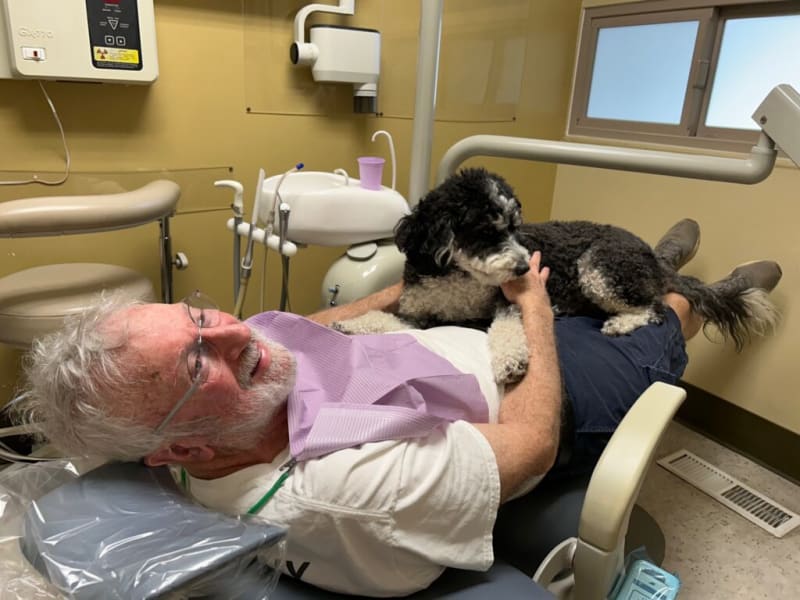
One dentist now asks patients if they'd like Bailey, his 30-pound Bernedoodle, to sit with them during treatment. Another practice adopted a therapy dog after noticing how children responded to their hygienist's service animal. Within months, cancellation rates declined and repeat visits increased.
The benefits extend beyond the exam chair. Staff at practices with therapy dogs report improved morale and a more welcoming environment. At the University of Colorado's School of Dental Medicine, golden retriever Lucy transformed the clinic so completely that patients started arriving early just to greet her.
The Ripple Effect
The impact reaches far beyond individual comfort. When people stop avoiding dental care, they prevent systemic inflammation linked to diabetes and heart disease. A therapy dog might help someone show up for a cleaning that catches early gum disease or a cavity before it becomes an abscess.
Practices follow strict protocols to address safety concerns. Therapy dogs must be professionally trained, supervised by handlers, and kept away from sterile zones during certain procedures. Offices disclose the dog's presence in advance and offer alternative appointments for patients with allergies.
These furry colleagues now appear on staff pages alongside hygienists and receptionists, complete with vaccination records and grooming schedules. OSHA guidance recognizes therapy animals as compatible with dental safety standards when proper protocols are followed.
The shift reflects a broader understanding that healthcare isn't just about fixing bodies but calming minds too. For someone who has avoided the dentist for years, a gentle dog might be the bridge between dread and relief, between neglect and lifelong oral health.
One practice put it perfectly: "She's our best marketing tool, but more importantly, she's our best medicine."
More Images



Based on reporting by STAT News
This story was written by BrightWire based on verified news reports.
Spread the positivity!
Share this good news with someone who needs it