Thinking About Your Legacy Now Can Boost Mental Health
New research shows that thinking about the legacy you'll leave behind isn't just for older people—it can improve mental health and bring more meaning to life at any age. From donating organs to passing down values, people are finding hope in considering their lasting impact.
Scientists say planning your legacy could be one of the best things you do for your mental health today.
When Beth Hunter's father was diagnosed with Alzheimer's, he didn't want emotional conversations. Instead, he spent his remaining time writing down his war stories by hand, determined to pass them on. That was his legacy, and new research suggests the simple act of thinking about it helped him find meaning during a difficult time.
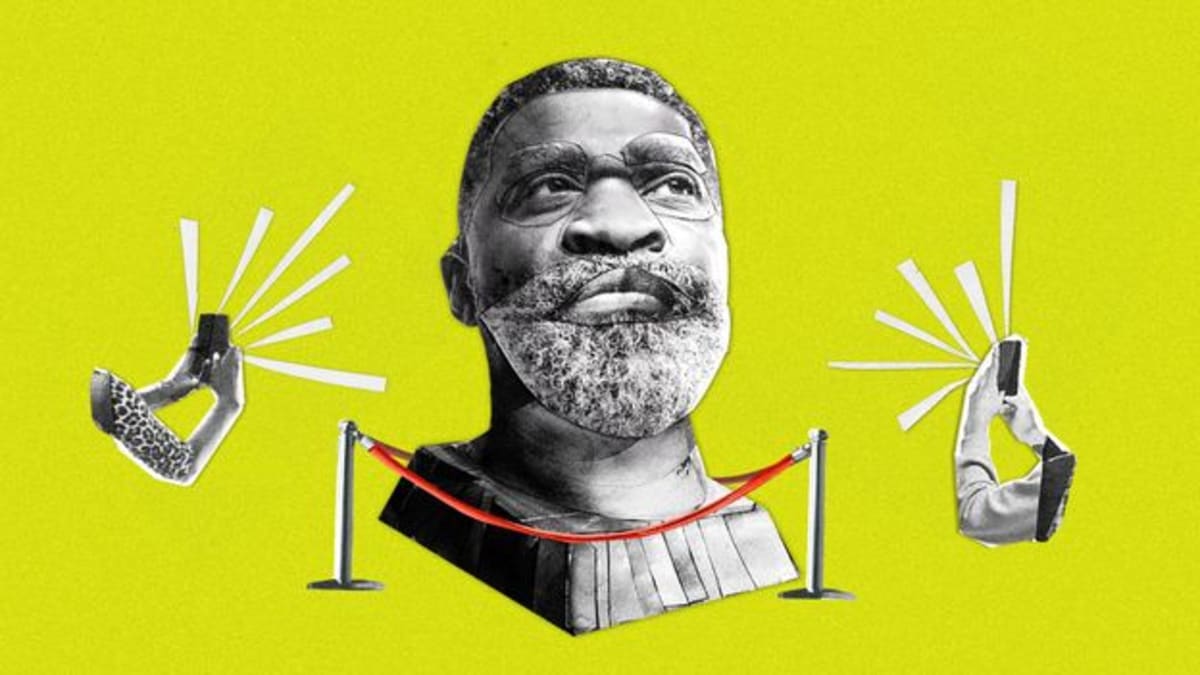
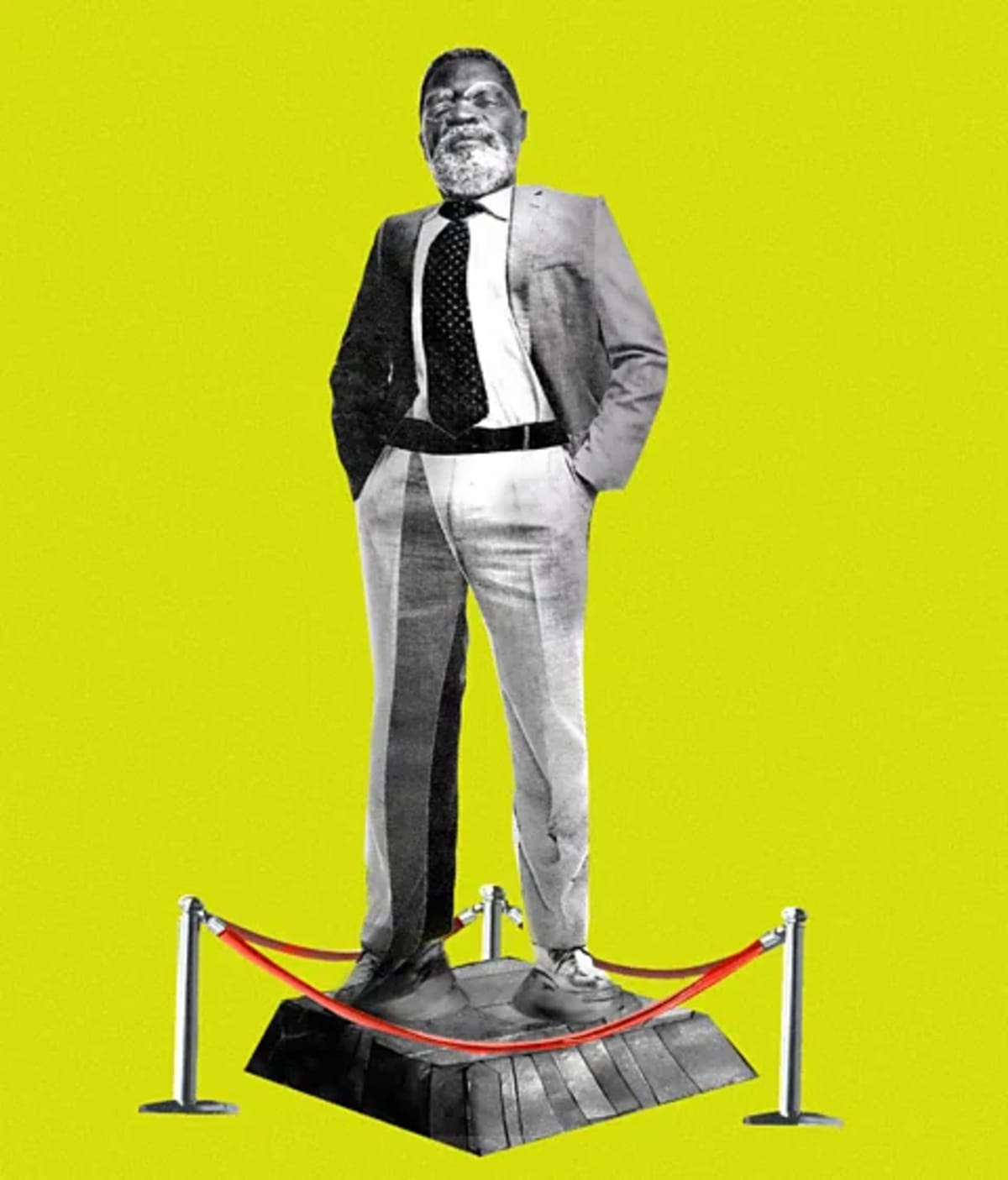
Legacy isn't just about leaving money or becoming famous. Researchers have identified three main types: biological legacy through organ donation or genetics, material legacy like family heirlooms, and values legacy—the beliefs and lessons we pass down.
The numbers show people are already thinking this way. About 170 million Americans are registered organ donors, and more than 26,000 people donated their bodies to science in 2021. When researchers asked over 100 body donors in Belgium why they registered, 16% said it was specifically to give meaning to their death.
For cancer patients, legacy thinking provides powerful comfort. Hunter's research on female cancer survivors found that imagining their positive impact on family members—like inspiring loved ones to get cancer screenings—helped them cope with their diagnosis. Some hospitals now offer "legacy activities" where patients create journals, art projects, or write letters to loved ones, and studies show these activities reduce depression and anxiety.
Why This Inspires
Legacy isn't reserved for the elderly or the wealthy. A study of 38 women of all ages found that most people want to pass on their values—kindness, faith, the importance of helping others—more than material possessions. They do this through everyday actions: being a good example, sharing stories, recording advice, and simply living according to their beliefs.
Researchers say this mindset shift helps people move from "death anxiety" to "death reflection," transforming fear into purpose. The awareness that our actions today ripple into tomorrow gives us permission to live more intentionally right now.
Susan Potter, who battled cancer, diabetes and arthritis, donated her body to become a "virtual cadaver"—a 3D teaching tool sliced into 27,000 digital layers. Medical students across the country now learn from her gift, ensuring her impact continues long after her death.
Your legacy doesn't require grand gestures—it's already forming in the small choices you make, the values you model, and the love you share every single day.
More Images

Based on reporting by BBC Future
This story was written by BrightWire based on verified news reports.
Spread the positivity!
Share this good news with someone who needs it