This $2,000 Fanny Pack Robot Helps People Walk for Miles
A new wearable exoskeleton that looks like a fanny pack is making it easier for people to walk longer distances without getting tired. The device clips to your waist and gently lifts your legs with each step, reducing effort by up to 20 percent.
Imagine walking for miles and feeling like you've barely broken a sweat. That's the promise of a new generation of wearable robots designed not for superheroes, but for everyday people who want to go further.
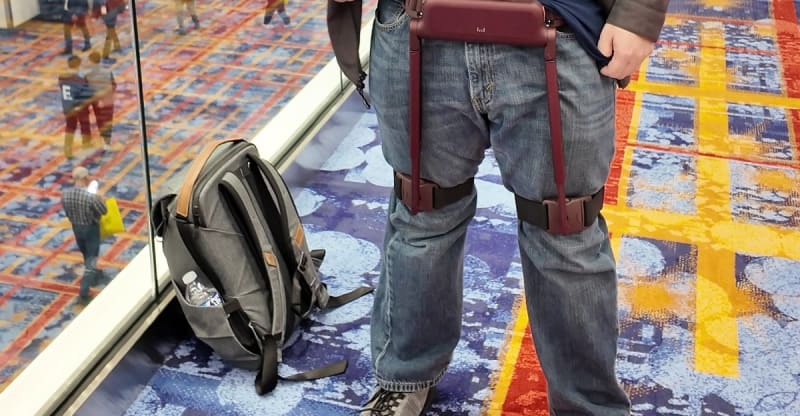
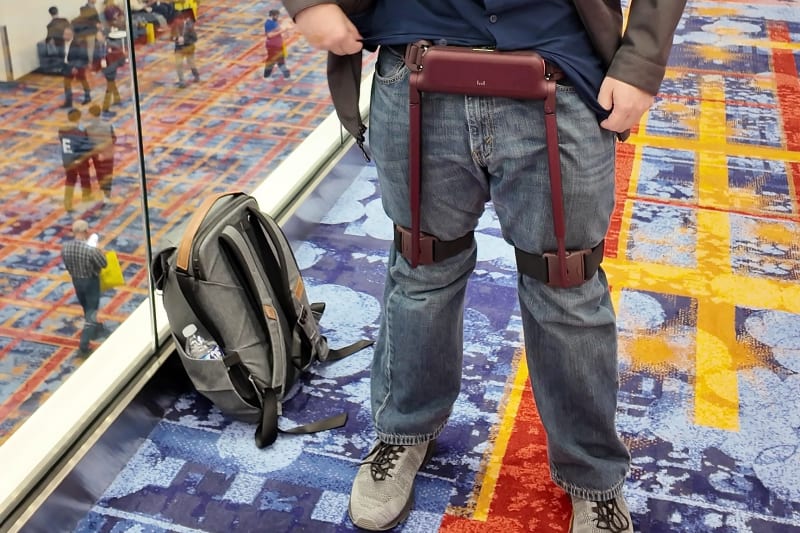
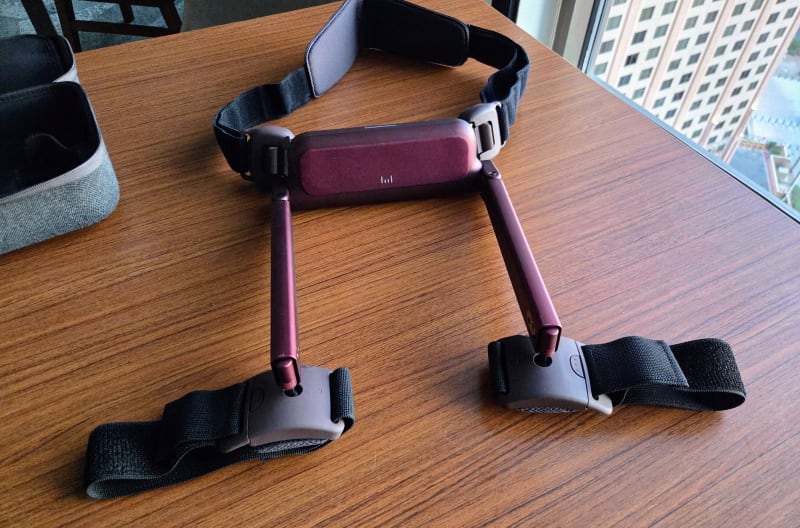
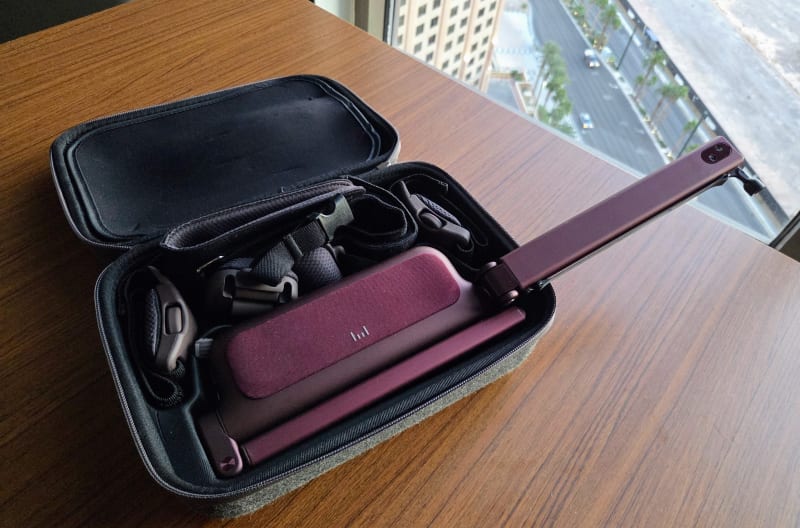
The Wirobotics Wim S looks nothing like the bulky exoskeletons you might picture from sci-fi movies. Instead, it's a compact device that clips to your waist like a fanny pack, with two thin arms that attach to straps on your thighs.
The magic happens with small motors that help lift your legs with each step and cushion the impact when your feet hit the ground. Users report that walking suddenly feels easier, like gravity itself has lightened its grip.
These leisure exoskeletons don't make you faster or stronger, but they help you keep going when you'd normally feel tired. That matters for people recovering from injuries, dealing with mobility challenges, or anyone who wants to enjoy longer walks and hikes without exhaustion.
At just 3.6 pounds, the Wim S is remarkably convenient. It's so light and quick to put on that one user managed to strap it on while walking down a hotel hallway. When you don't need it, the device folds up small enough to fit in a backpack and charges through a standard USB-C cable.
The front-mounted design solves a major problem with earlier models. Previous versions had motors and batteries mounted on the back, making it uncomfortable to sit in cars, wear backpacks, or work at a desk. The new fanny pack style keeps everything accessible and out of the way.
Why This Inspires
This technology represents a shift in how we think about robotics and human assistance. Instead of replacing human ability, these devices enhance what we can already do, opening up new possibilities for people with different mobility levels.
The price point of $2,000 puts the technology within reach for many consumers, not just hospitals and research labs. As more companies enter this space, costs will likely continue dropping while performance improves.
Real-world testing at major events has shown these devices can handle hours of daily use. While battery life still needs improvement (current models last just a few hours per charge), the core technology clearly works.
The broader impact extends beyond individual users. When people can walk farther without fatigue, they can participate more fully in activities they love, spend more time outdoors, and maintain independence longer.
The future where personal robotics help us live fuller, more active lives is already arriving, one step at a time.
More Images

Based on reporting by The Verge
This story was written by BrightWire based on verified news reports.
Spread the positivity!
Share this good news with someone who needs it