This Rugged Laptop Runs AI in Deserts Without Internet
A new military-grade laptop brings powerful artificial intelligence to the world's harshest environments, no internet required. Emergency responders and field engineers can now run advanced AI tools in sandstorms, frozen tundra, and remote locations where connectivity doesn't exist.
When disaster strikes in remote areas or military operations unfold beyond network coverage, advanced technology often becomes useless without an internet connection. Durabook just changed that equation with a laptop that brings serious AI power to places where connectivity is a luxury, not a given.
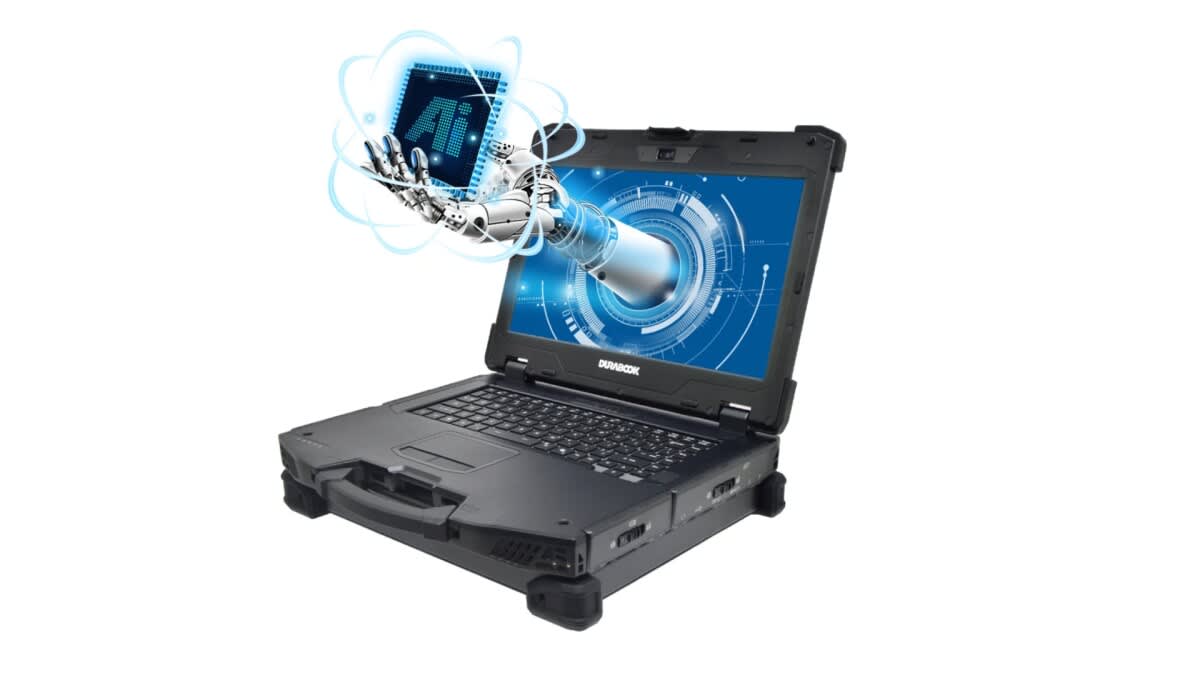
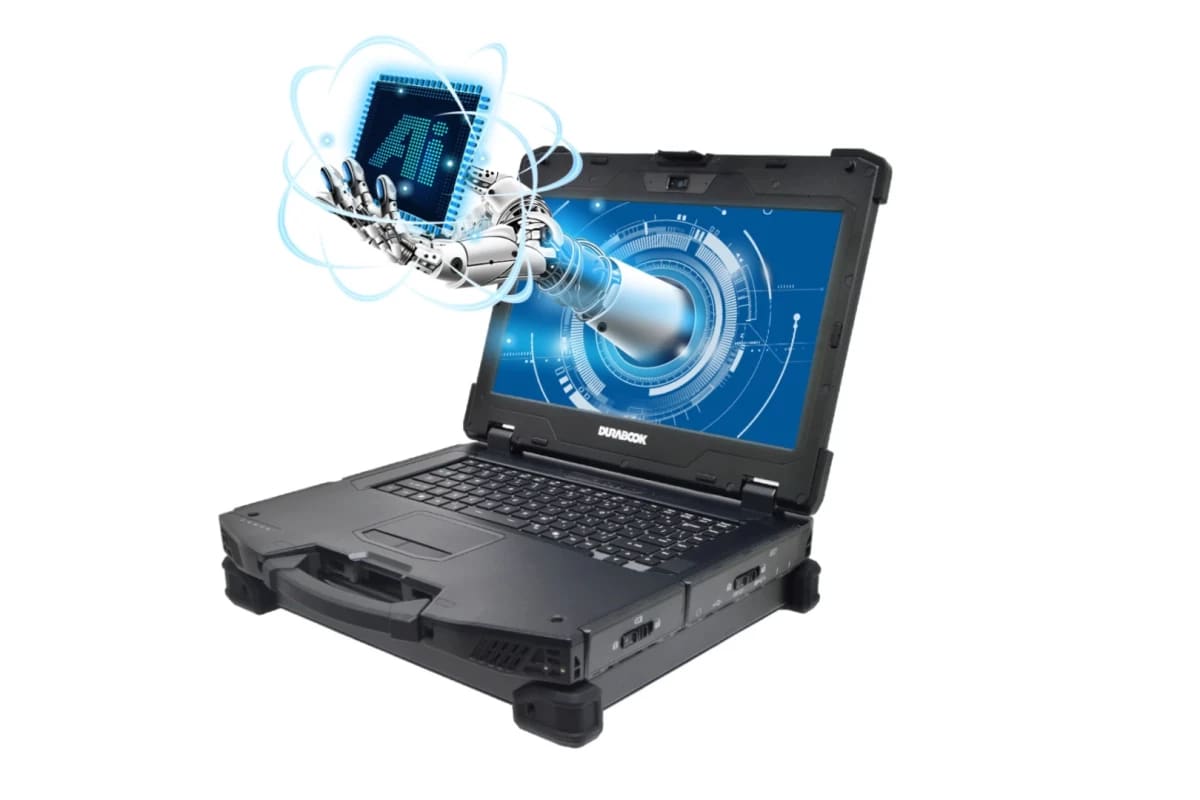
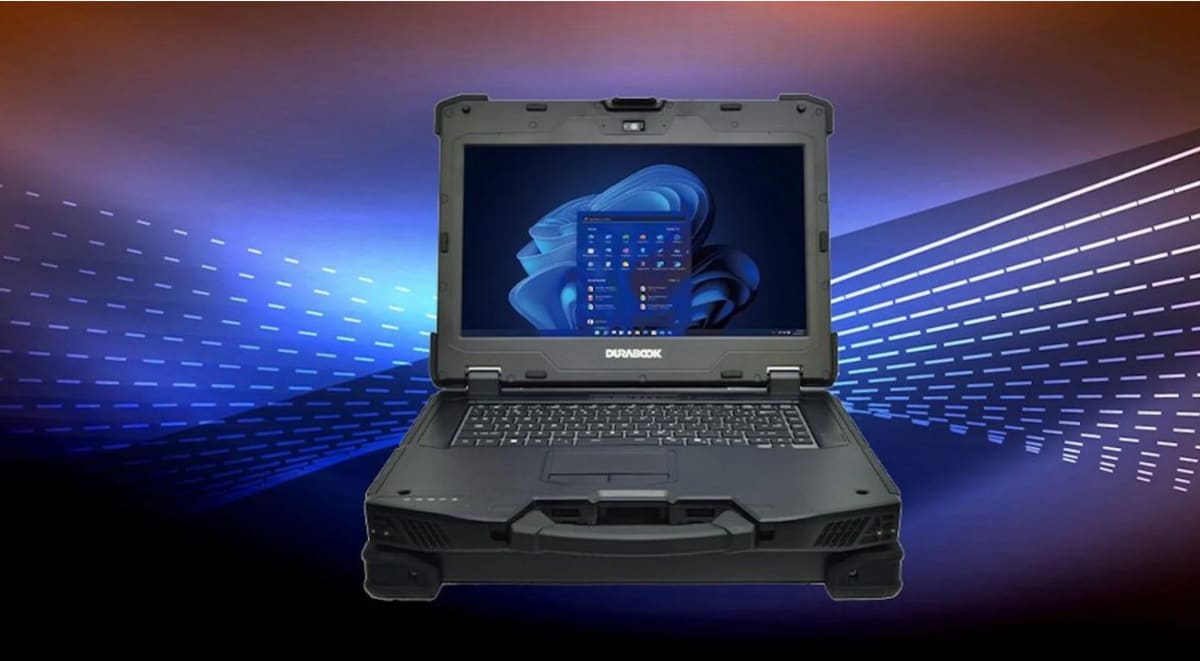
The Z14I-HG isn't your typical portable computer. This magnesium-alloy workhorse survives temperatures from minus 29°F frozen wastelands to 145°F desert heat, shrugs off direct sandstorm exposure, and keeps running when dunked in water or coated in dust.
What makes it revolutionary is what's inside. The laptop processes AI tasks entirely on the device itself, meaning emergency response teams, utility workers, and field engineers can run computer vision, object recognition, and predictive maintenance tools without ever touching a remote server. Sensitive data stays secure, and the work continues regardless of whether cell towers are functioning.
The machine packs 682 trillion operations per second of AI processing power into a 14-inch frame. To put that in perspective, competing rugged laptops typically max out around 48 trillion operations per second. Durabook fit desktop-level performance into equipment built to survive being dropped, shaken, frozen, and baked.
The display shines at 1,200 nits of brightness, making it readable under direct sunlight when paper maps and dim screens fail. Two storage drives swap out in seconds without tools, letting field teams replace data or switch missions on the fly. The system can power up to five external monitors simultaneously, turning a tactical vehicle or temporary command post into a full operations center.
The Ripple Effect
This technology matters beyond military applications. Utility crews restoring power after hurricanes can assess damage and coordinate repairs using AI-powered mapping tools, even when cellular networks are down. Search and rescue teams can process drone footage and thermal imaging in real time from base camps in mountain ranges or disaster zones. Engineers maintaining remote infrastructure like pipelines or wind farms can diagnose problems using AI analysis without waiting for satellite uploads.
The laptop weighs nearly 11 pounds and measures three inches thick, so nobody's slipping this into a briefcase for a coffee shop work session. Its home is the places where regular technology gives up: the back of a military transport, the deck of an offshore platform, or the bed of a utility truck racing toward a crisis.
Durabook hasn't announced pricing yet, which typically means buyers need to request custom quotes based on their specific configuration needs. For organizations operating in extreme conditions where failure isn't an option, the cost calculation includes something most consumer electronics never consider: the price of having technology that actually works when everything else has quit.
The era of choosing between rugged reliability and cutting-edge AI capability just ended.
More Images
Based on reporting by New Atlas
This story was written by BrightWire based on verified news reports.
Spread the positivity!
Share this good news with someone who needs it