Three Groups Turn Exercise Into Community Connection
Loneliness can be as harmful to health as smoking 15 cigarettes a day. These three organizations are fighting isolation by turning sports and movement into powerful tools for building friendships and belonging.
For people struggling with loneliness, showing up to a regular exercise class might sound like just another chore. But these three groups have discovered that movement can be the doorway to something far more valuable than fitness: genuine human connection.
Sport in Mind started with one person trying to help a sick friend. Founder Neil Harris turned that simple act of care into a charity that has now supported over 60,000 people experiencing mental health challenges.
The organization runs free sessions across the UK, from walking groups and football to gardening and dance. Working alongside the NHS and local partners, they've created spaces where sport feels less like competition and more like a path back to confidence and routine.
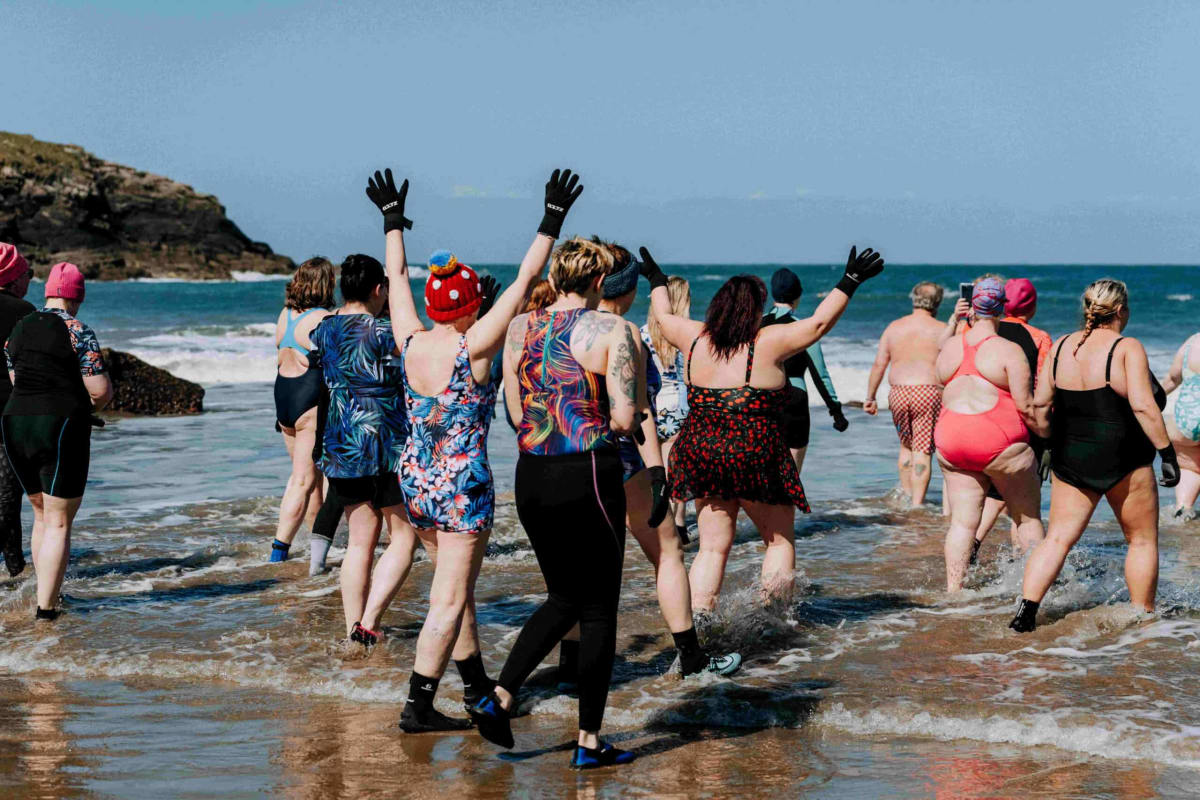
The Bluetits Chill Swimmers took a different approach to building community. What began as a small group in Wales has grown into a global network of people who gather at rivers, lakes and coastlines to dip into cold water together.
Founded by Sian Richardson, the volunteer-led community isn't about breaking records or pushing limits. It's about sharing the simple ritual of being in nature, challenging yourself gently, and finding companionship in the water. The groups are free to join and welcome everyone, from total beginners to experienced swimmers.
GoodGym might have the most creative model of all. Members run, walk or cycle to help with community projects and support isolated older people who need a hand.
That might mean clearing an overgrown garden, sorting donations at a food bank, or helping someone with a task they can no longer manage alone. Ed Field, head of operations, explains that the benefits flow both ways: participants feel healthier and more purposeful through helping others.
The Ripple Effect
Each organization proves the same truth from a different angle: movement becomes meaningful when it connects us to something beyond ourselves. Whether it's recovery, nature, or service, adding purpose to exercise transforms it from a solo activity into a reason to keep showing up.
The participants aren't just getting fitter. They're building relationships, establishing routines, and remembering what it feels like to belong to something. For someone facing isolation, that sense of community can be life-changing.
These groups show that the cure for loneliness isn't complicated—sometimes it just takes putting on your shoes and showing up somewhere you're genuinely welcomed.
Based on reporting by Positive News
This story was written by BrightWire based on verified news reports.
Spread the positivity!
Share this good news with someone who needs it