Three Hidden Kings Rewrite Ancient Assyria's History
Researchers just uncovered three rulers erased from ancient Assyria's official records 2,700 years ago. The discovery reveals the world's first empire was hiding a messier, more fascinating political history than anyone knew.
For a century, historians have trusted a single ancient document to tell them who ruled Assyria and when. Now that trust is being shaken by three kings who were hiding in plain sight.
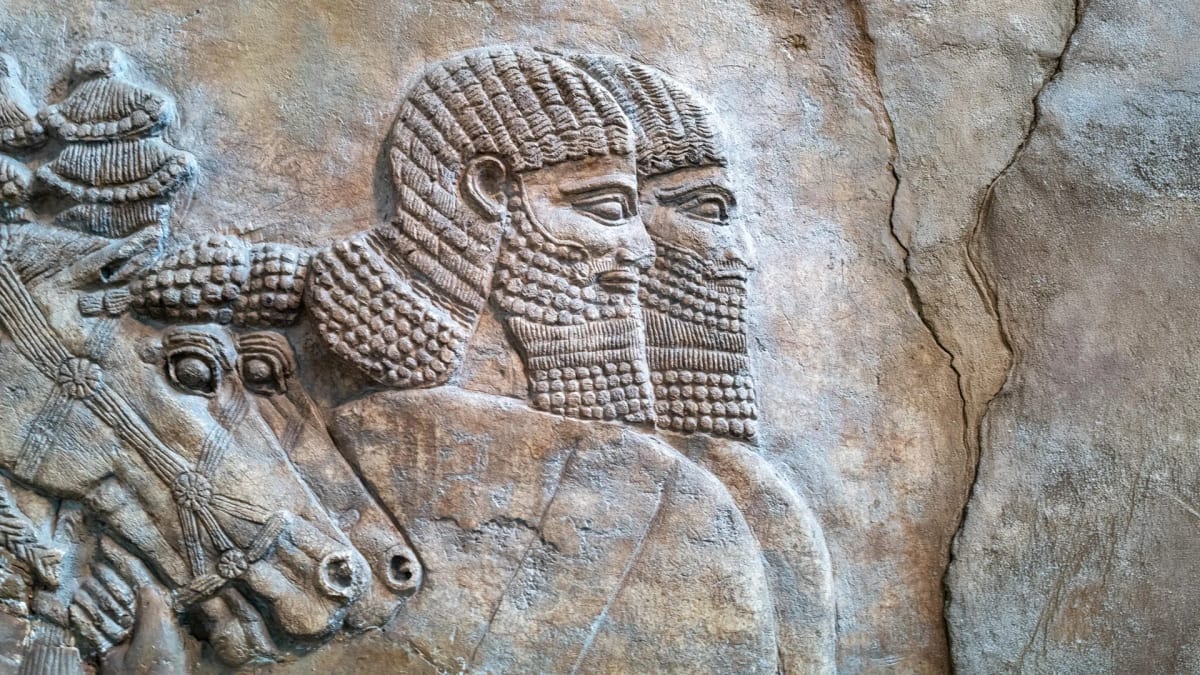
Researchers Alexander Johannes Edmonds and Eckart Frahm just published evidence in the Journal of Cuneiform Studies identifying three Assyrian rulers completely missing from the famous Assyrian King List. The kings weren't lost to time by accident—they appear to have been deliberately erased from the official record.
The first forgotten ruler called himself Tiglath-pileser, borrowing the name of an earlier king to boost his legitimacy. He tried to overthrow his own nephew, King Aššur-dān III, right after a solar eclipse that would have carried huge religious significance. A clay tablet at the British Museum proves he actually ruled for about a year, from 763 to 762 BCE, before being removed from power.
The second missing king emerged from a puzzle that has stumped researchers since 1894. A stone monument discovered in Iraq showed one king's name scratched out and replaced with "Tiglath-pileser." Edmonds and Frahm believe a ruler named Shalmaneser governed just before Tiglath-pileser III took the throne in 745 BCE, explaining why his predecessor's name needed erasing.
The third case centers on a king named Aššur-uballiṭ who restored a royal vessel but doesn't appear anywhere on the official list. The researchers dated his reign to 913-912 BCE and suggest he might be the mysterious figure shown in a damaged statue found at Aššur, its head removed and royal symbols worn away.
Why This Inspires
These discoveries transform how we understand ancient record keeping. The Assyrian King List wasn't an objective history book—it was likely a political tool updated to remove rulers who didn't fit the narrative of legitimate succession.
The researchers are now asking deeper questions about what made a king "worthy" of remembering. How did power and cultural memory intersect in the world's first empire? What stories did the Assyrians choose to forget, and why?
By finding these erased rulers, Edmonds and Frahm have turned the King List itself into a fascinating subject of study. Every gap in the official record now hints at political drama, power struggles, and rulers deemed unworthy of history.
The ancient world just got more complicated and far more human.
Based on reporting by Science Daily
This story was written by BrightWire based on verified news reports.
Spread the positivity!
Share this good news with someone who needs it