Three Pills Could Eliminate Sleeping Sickness by 2030
A single-dose treatment for sleeping sickness just received European approval, replacing brutal treatments with three tablets. The breakthrough brings Africa within reach of eliminating a disease that killed tens of thousands just two decades ago.
For decades, treating sleeping sickness meant weeks of injections, brutal side effects, and hospital stays that were nearly impossible for people living in remote African villages.
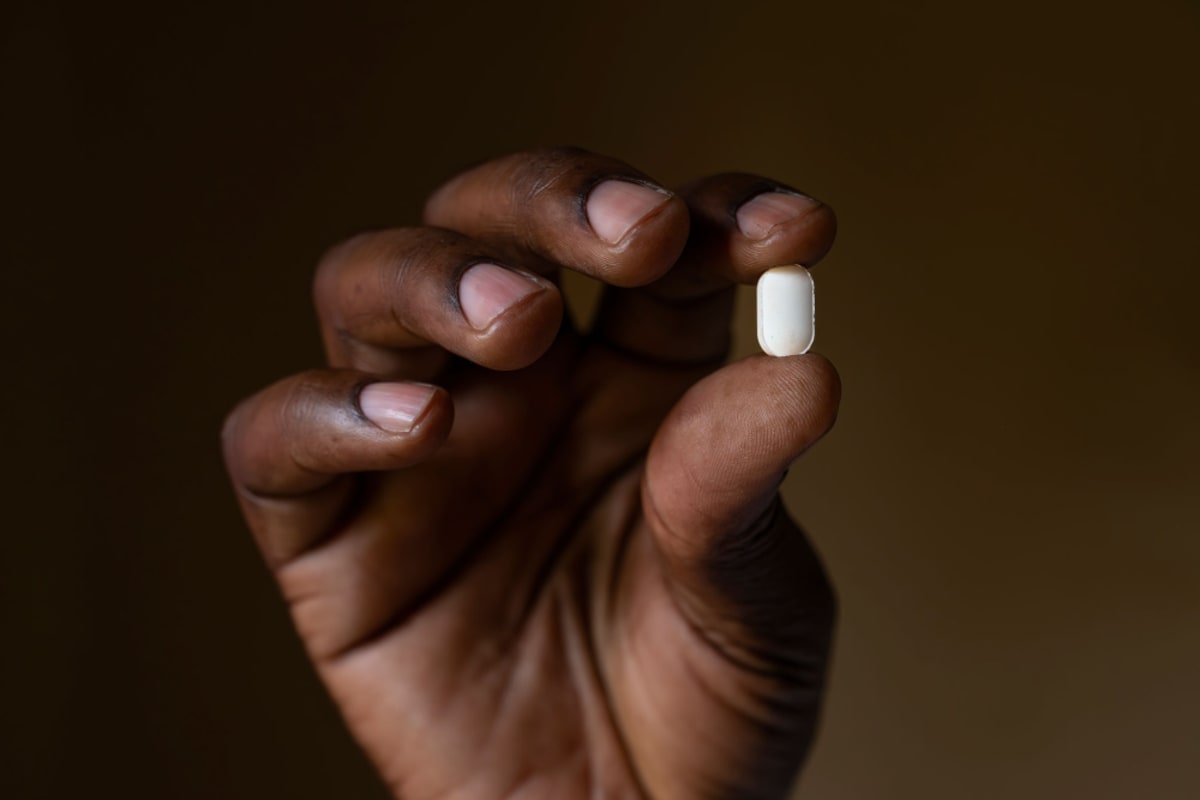
That era just ended. The European Medicines Agency approved acoziborole, a three-tablet treatment that cures sleeping sickness in a single day with a 96 percent success rate.
The disease, also called human African trypanosomiasis, is almost always fatal without treatment. Just 25 years ago, nearly 40,000 cases were reported annually, with an estimated 300,000 more people infected but undiagnosed across Central and West Africa.
By 2024, fewer than 600 cases were recorded. That's a 98 percent drop since 2001.
What makes this breakthrough transformative is its simplicity. Previous treatments required either 10 days of pills or, for advanced cases, a combination of injections and oral therapy. Both demanded medical infrastructure that simply doesn't exist where most patients live.
A single dose changes everything. No hospital stay. No supervised care. Just three tablets that can be delivered anywhere.
"In just 20 years, we have gone from complicated treatments including arsenic derivatives with serious side effects, to today, when a single-dose, one-day therapy could safely cure patients," said Dr. Luis Pizarro, Executive Director of the Drugs for Neglected Diseases initiative.
The drug was developed through a 20-year partnership between DNDi and Sanofi. Clinical trials were conducted entirely in the Democratic Republic of Congo and Guinea by African researchers and doctors working in some of the continent's most remote regions.
"This is a victory for Africa-led science," said Dr. Erick Miaka, who directs the DRC's national sleeping sickness control programme.
Sanofi will donate the medicine free of charge to patients through the World Health Organization. With humans as the only reservoir of the disease, a one-day cure makes complete elimination possible.
The Ripple Effect
The WHO's 2030 elimination target once seemed aspirational. Now it looks achievable.
The success isn't just about one drug. It's proof that sustained commitment to neglected diseases can work. Two decades of collaboration across continents, involving dozens of public and private partners, turned a widespread killer into a disease on the verge of disappearing.
Researchers are already testing the treatment in children aged one to fourteen. Dr. Jean Kaseya, Africa CDC Director General, says the next challenge is ensuring sustainable access, including exploring local production across the continent.
A disease that terrorized communities for generations could be gone within six years.
More Images

Based on reporting by Google News - Disease Cure
This story was written by BrightWire based on verified news reports.
Spread the positivity!
Share this good news with someone who needs it