Thunder Bay Woman 5 Years Sober Now Helps Others Recover
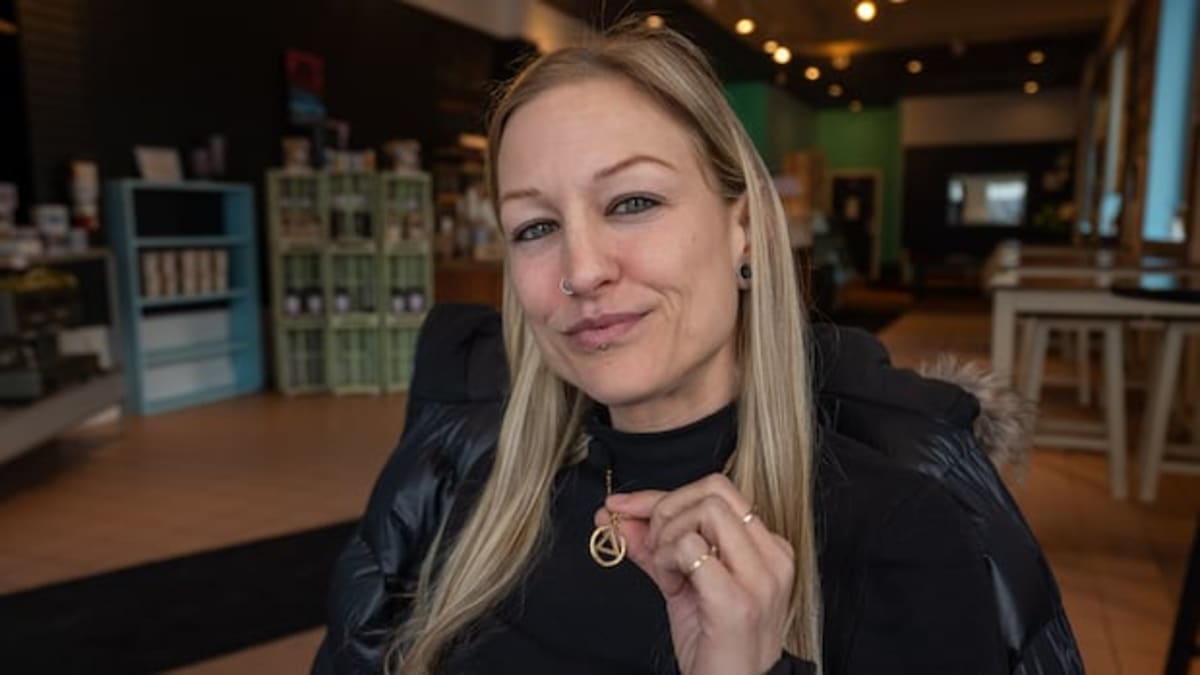
Tara Johansson survived a blood alcohol level that should have killed her. Now the 41-year-old Thunder Bay outreach worker is bringing hope to others battling addiction in Ontario's hardest-hit city.
Tara Johansson once walked into an emergency room with a brain bleed the size of a softball and a blood alcohol level of 0.45, high enough to kill most people.
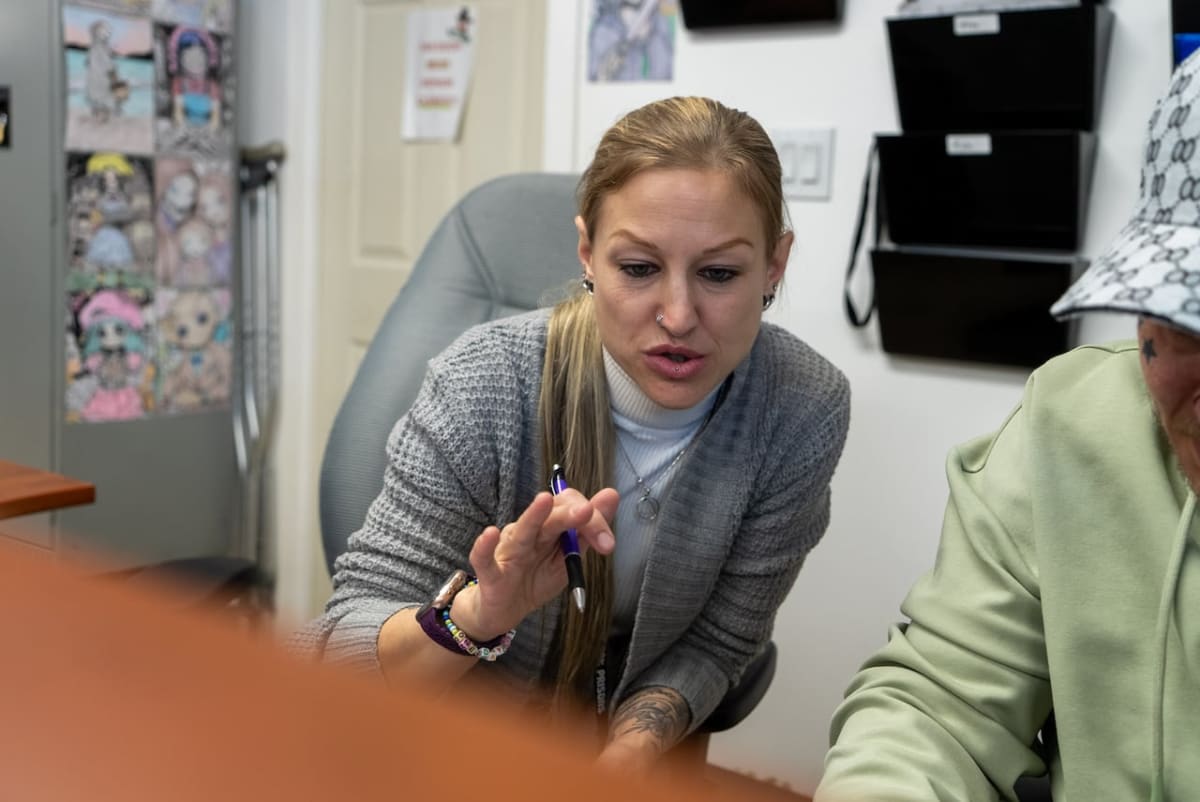
Today, over five and a half years into recovery, she's the one offering hope to others. As membership and programming coordinator for People Advocating for Change Through Empowerment (PACE) in Thunder Bay, Johansson shares her story daily with people fighting the same battles she won.
"For me to be alive today, it's a miracle," said the 41-year-old mother of two. She spent years drinking and using cocaine, crack, and opiates to cope with mental health struggles, hiding behind the label of "high-functioning addict." Nobody knew how deep her addiction ran.
The turning point came after experiencing abuse from her partner. She contacted Faye Peterson House and reluctantly tried Alcoholics Anonymous again, a program she'd dismissed before out of shame. This time, with a sponsor and stable housing, she committed to addressing the trauma underneath her addiction.
"I am the root of all my problems," Johansson said. "Yes, these things were done to me, but I could have sought out help."
Now she works at PACE's drop-in center on Thunder Bay's south side, where all staff members have lived experience with homelessness, addiction, or mental health challenges. They provide food, clothing, showers, laundry, and most importantly, understanding. Staff can connect clients to other health and social services when they're ready.
The Ripple Effect
Thunder Bay faces Ontario's highest opioid-related death rate at 52.72 per 100,000 people, more than five times the provincial average. Johansson's recovery story matters here more than most places. Her presence at PACE proves to clients that nobody is beyond help.
"Until they want it, you can't help them," she said. "You can love them. That's all we can do. And that's my job. I love them."
She's pushing for more treatment centers to reduce wait times, because the window when someone asks for help is often small. When they're truly ready, beds need to be waiting.
"I'm at peace. I'm happy," Johansson said. "I get to come to work, and I get to tell my story and I get to be somebody, a light to somebody."
Her miracle is becoming someone else's roadmap home.
More Images

Based on reporting by Google News - Recovery Story
This story was written by BrightWire based on verified news reports.
Spread the positivity!
Share this good news with someone who needs it