Tibet's 800-Year Bathing Festival Brings Joy and Romance
Every July, Tibetans gather along the Lhasa River for a week-long celebration that combines healing, tradition, and the chance to find love. This nearly 800-year-old festival turns bathing into a joyous community event.
For nearly eight centuries, Tibetans have been turning bath time into one of the most joyful weeks of the year.
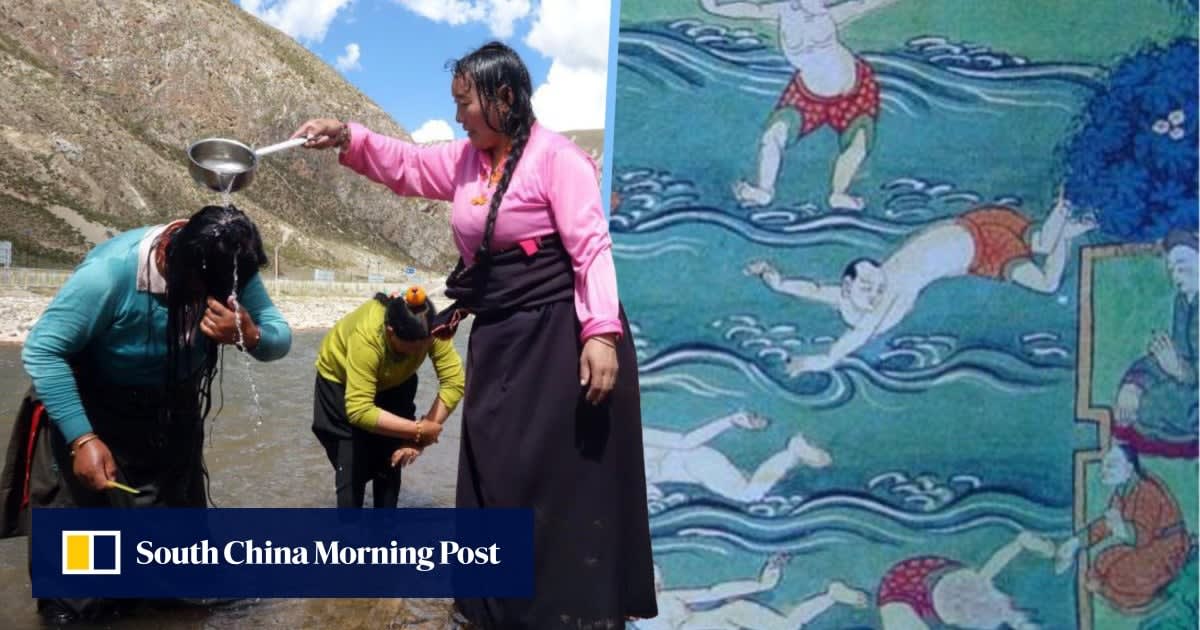
Every July in the Tibetan calendar, people across Tibet gather at rivers and natural waters for the Bathing Festival, a week-long celebration that blends wellness, tradition, and romance. From bustling urban centers to quiet rural villages, the Lhasa River becomes the backdrop for a tradition that has connected communities for 700 to 800 years.
The festival follows a thoughtful rhythm. On the first day, participants take a thorough bath in the river's waters. Over the next five days, they return to rinse their hair and feet, soaking in both the physical warmth and the social atmosphere. On the seventh and final day, they complete the cycle with another full, careful bath.
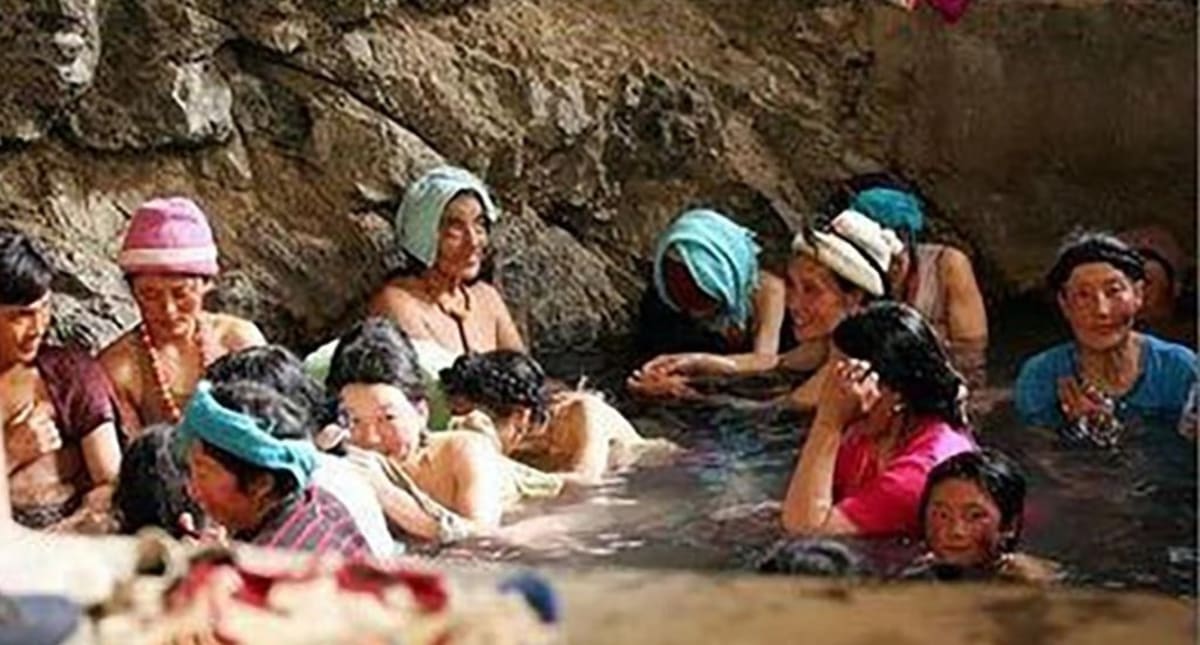
But the festival is about far more than getting clean. Men and women of all ages bathe together in the natural waters, creating a rare space where young people can meet potential romantic partners in a culture that values tradition. The warm, soothing river water is believed to bring healing and good fortune to those who participate.
The celebration typically runs from the 6th to the 12th day of the seventh month in the Tibetan calendar. Families spread blankets along the riverbanks, friends catch up, and strangers become acquaintances against the backdrop of flowing water and mountain views.
Why This Inspires
In a world that often rushes past tradition, the Bathing Festival shows how ancient customs can still bring communities together in meaningful ways. The festival creates space for three universal human needs: connection with nature, time with community, and the possibility of love. It proves that the simplest activities, when done together with intention, become powerful celebrations of life and culture.
For nearly 800 years, this tradition has survived because it offers something timeless: a chance to pause, cleanse, connect, and hope.
More Images


Based on reporting by South China Morning Post
This story was written by BrightWire based on verified news reports.
Spread the positivity!
Share this good news with someone who needs it