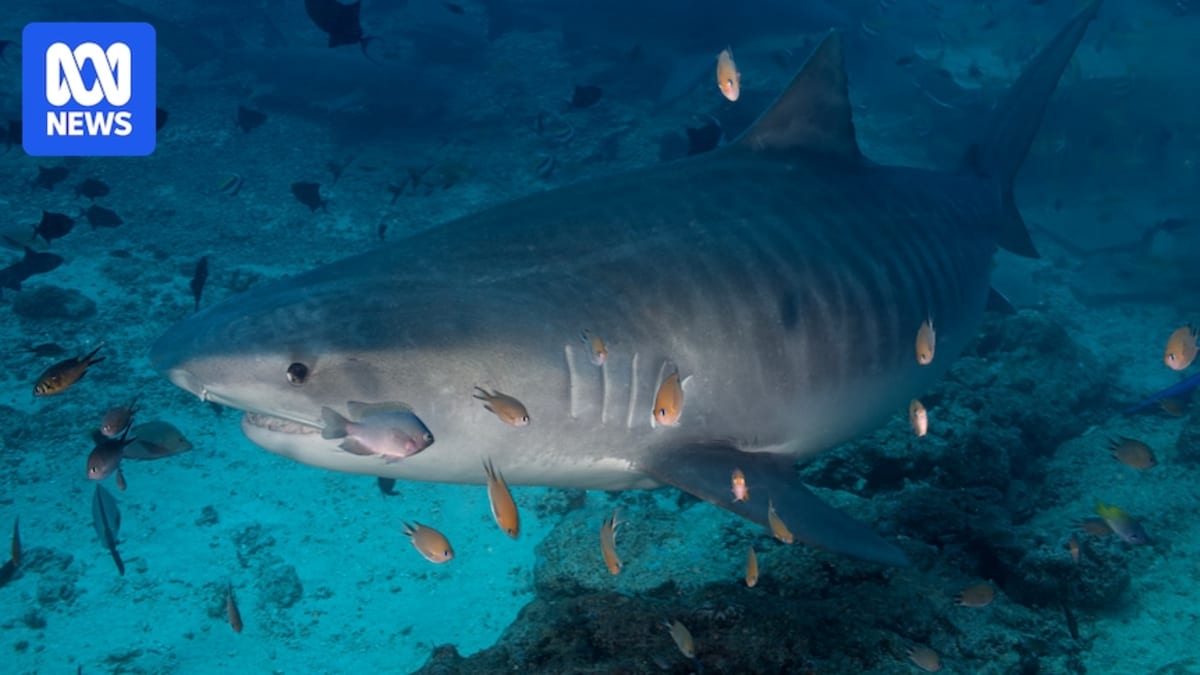
Tiger Sharks Return to Beaches in 3 Months After Relocation
Queensland scientists discovered that relocating tiger sharks from beaches temporarily reduces risk to swimmers, buying about three months of safety. The breakthrough research offers hope for protecting both people and sharks along Australia's coast.
Scientists in Queensland just found a promising way to keep beachgoers safer without killing sharks.
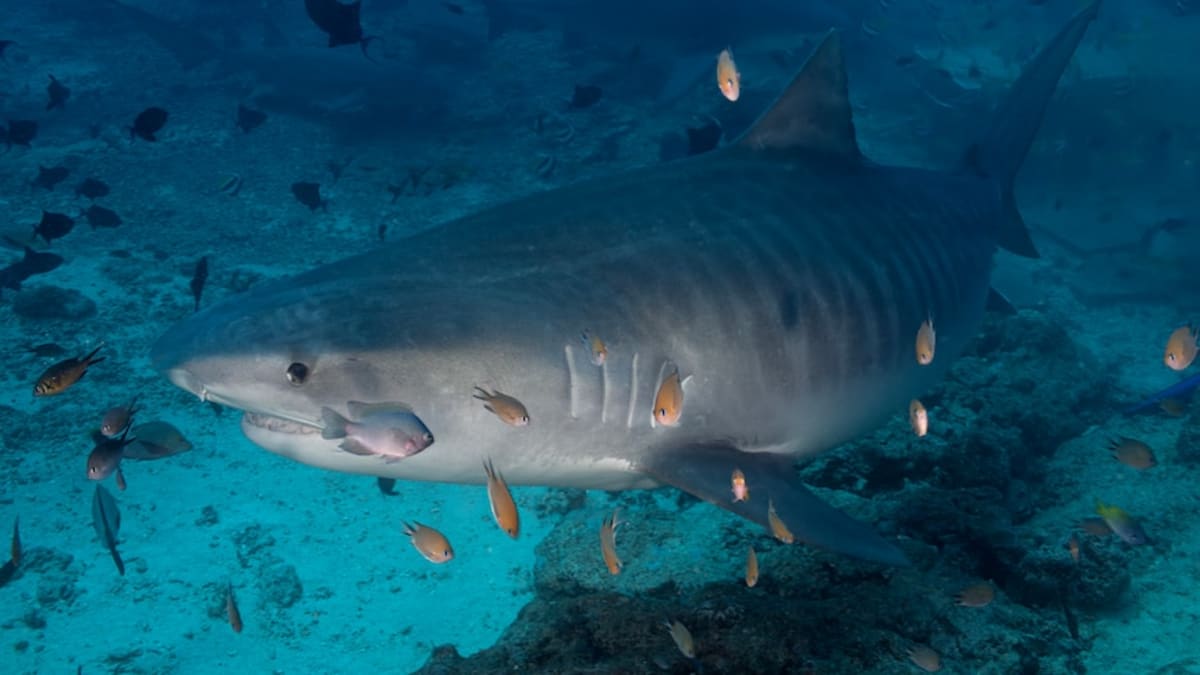
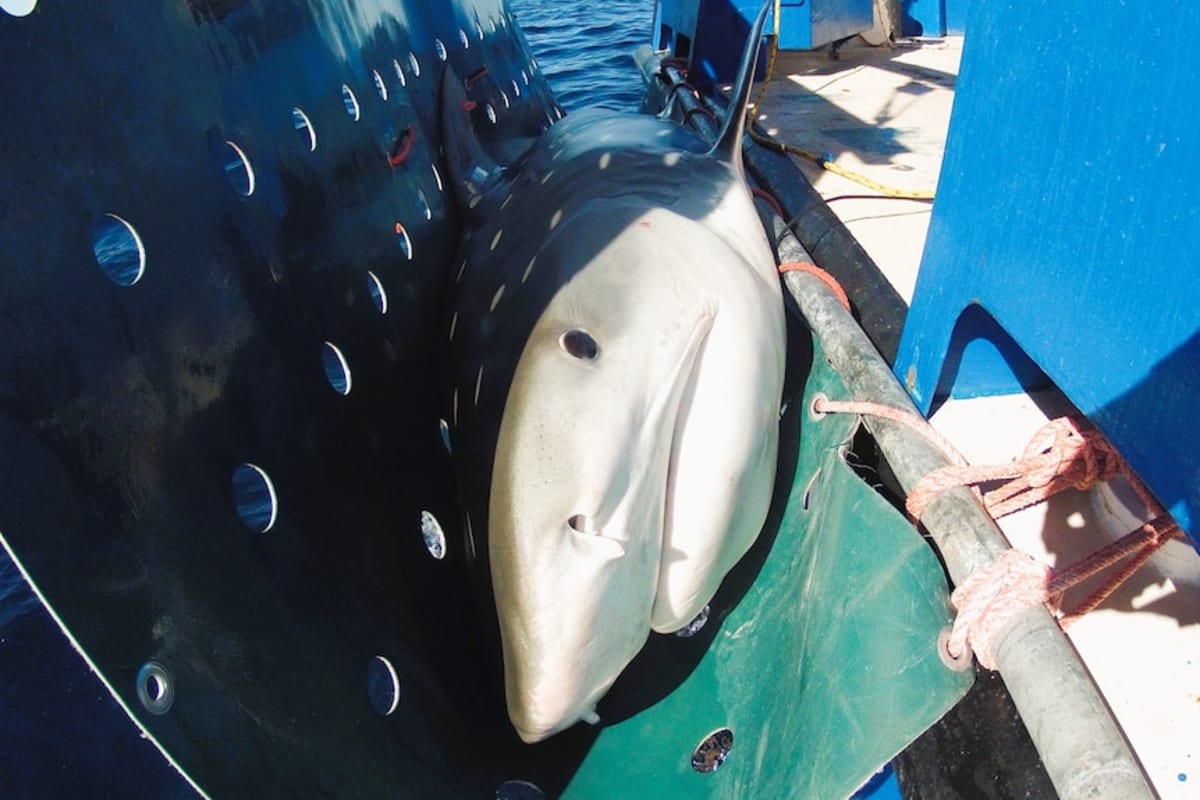
Researchers from Queensland's Department of Primary Industries spent six years tracking tiger sharks caught on drumlines and relocated away from swimming beaches. Their groundbreaking discovery? These sharks take about three months on average before returning to beaches, giving swimmers and surfers a temporary safety boost.
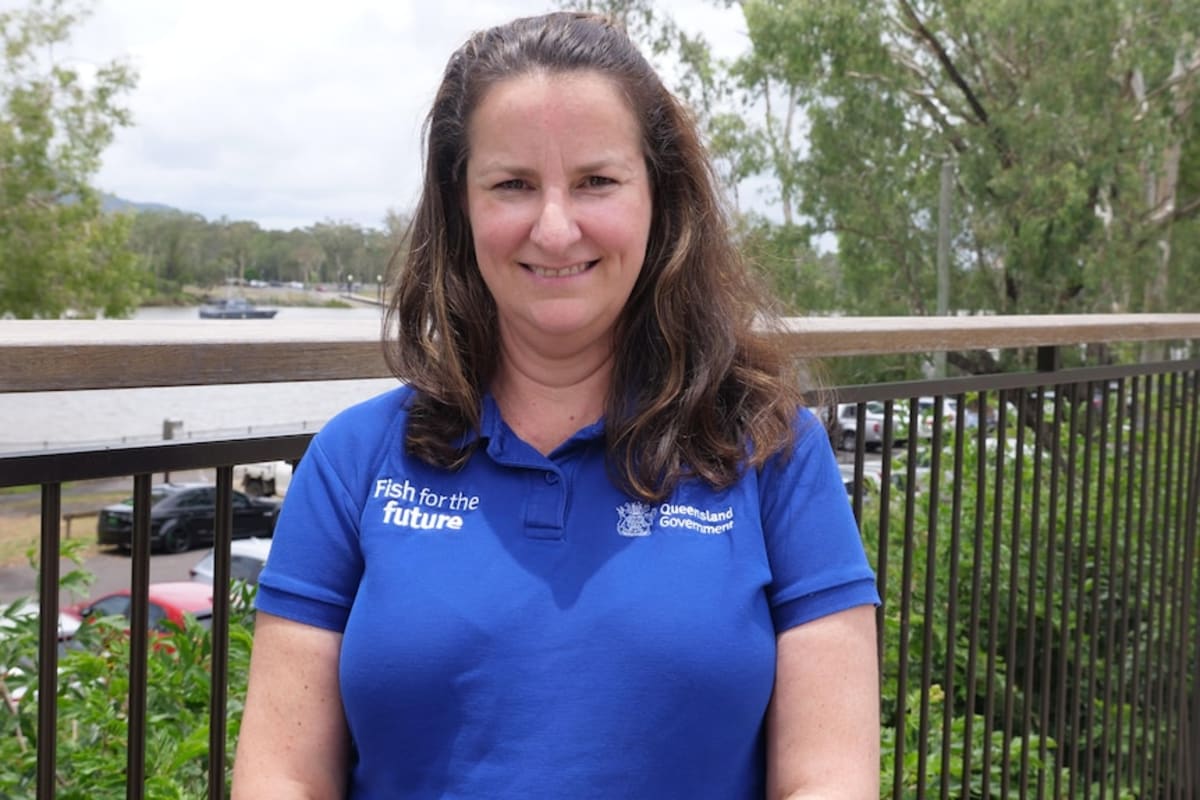
"We know that there's no single tool that can completely remove the risk," said researcher Dr. Tracey Scott-Holland. "But in this case, it's temporarily removing the risk of those individual sharks."
The study analyzed shark behavior in the Great Barrier Reef Marine Park, where regulations require that tiger sharks, bull sharks, and white sharks be tagged and released rather than killed. These three species account for most shark bites worldwide, making understanding their patterns crucial for public safety.
The research revealed fascinating details about tiger shark habits. When they do visit beaches, they typically stay for only about 30 minutes and usually come at night. This information could help beachgoers make smarter decisions about when to swim.
The findings come as Queensland recorded 3,430 sharks caught in drumlines last year, though researchers caution against assuming this means shark populations are exploding. Environmental conditions and equipment changes can affect catch numbers.
The Bright Side
This research proves we don't have to choose between human safety and shark conservation. Between 2021 and 2024, 63 percent of target sharks caught in drumlines died before they could be released, along with 1,200 non-target species. The relocation approach offers a humane alternative that works.
Environmental scientist Daryl McPhee from Bond University called the research a significant positive contribution to water safety. Emma Barrett from the Mackay Conservation Council praised the "wonderful data" coming from long-term monitoring, noting that increased shark catches haven't coincided with more shark bites.
The Queensland government is now expanding trials of non-lethal methods, including smart drumlines that alert authorities when a shark is caught. This technology allows for faster response times and higher survival rates for relocated sharks.
Dr. Scott-Holland's team is already planning similar studies on bull sharks. The research could lead to targeted public education programs with specific safety tips based on shark behavior patterns in different locations and times.
The risk of shark bites remains extremely small, but this science gives communities new tools to reduce it even further while respecting ocean life.
More Images

Based on reporting by ABC Australia
This story was written by BrightWire based on verified news reports.
Spread the positivity!
Share this good news with someone who needs it