Tigers in Nepal Caught Babysitting Each Other's Cubs
Wildlife researchers in Nepal filmed two tiger mothers sharing childcare duties, a behavior never before documented in these famously solitary animals. The discovery challenges everything scientists thought they knew about tiger parenting.
Two tiger mothers in Nepal just rewrote the animal behavior textbooks by doing something experts insisted was impossible: babysitting each other's cubs.
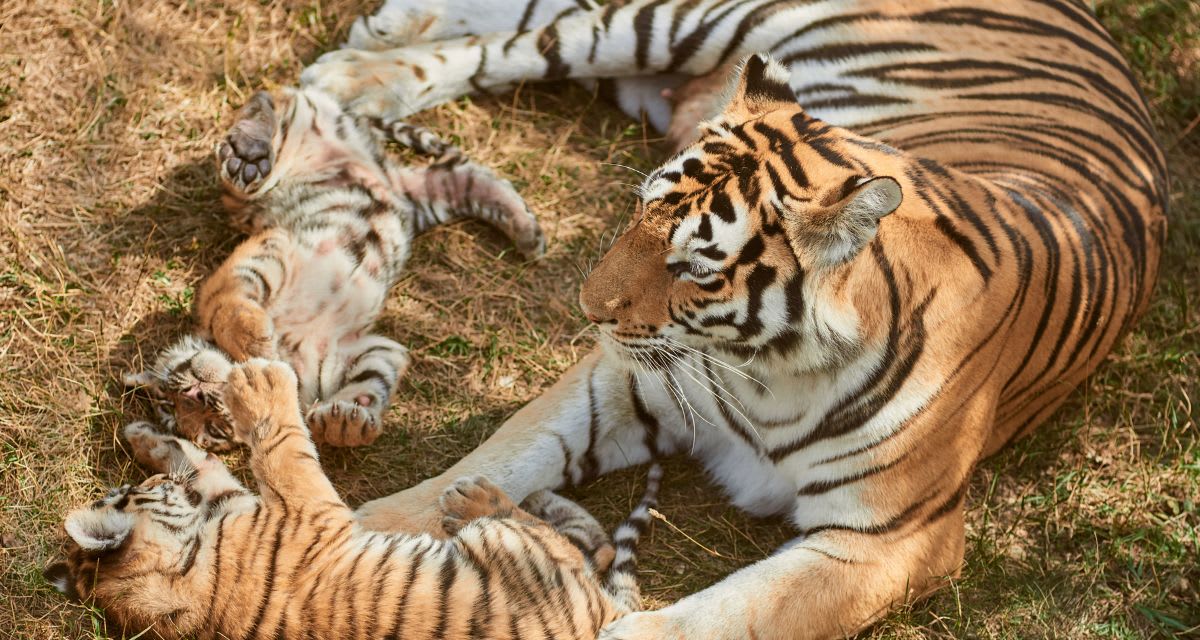
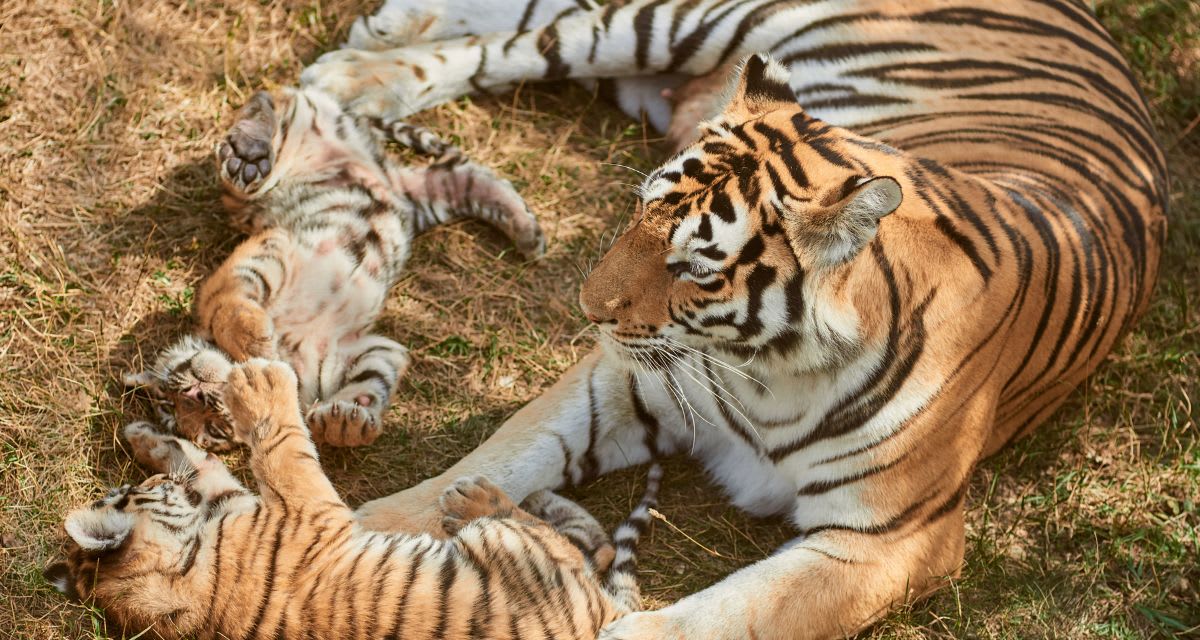
Researchers filming the BBC Earth documentary Tiger Island in Nepal's Bardia National Park captured drone footage that left them speechless. Mother tiger Goma was resting with her two cubs when three more cubs wandered over and joined the group, forming what the team called a "giant rust-colored cuddle puddle."
The extra cubs belonged to another tiger named Jugini, who was off hunting and feeding while Goma watched all five youngsters. Tigers are known for being fiercely solitary creatures who avoid each other except to mate, making this cooperative parenting behavior truly extraordinary.
"They don't share cubs, they don't share parenting duties," said wildlife biologist Dan O'Neill, the documentary's host. Cinematographer Max Hug Williams added, "This is NOT what it says in the textbooks."
The research team believes Goma and Jugini formed their parenting partnership to protect their cubs from aggressive male tigers. By teaming up, the mothers can take turns hunting while ensuring the cubs are never left vulnerable.
Why This Inspires
This footage gives researchers a rare window into authentic tiger behavior that's almost impossible to observe. Because tigers live in remote areas and spend most of their time alone, even decades of study leave gaps in our understanding of how they truly live.
The discovery also shows that animal behavior is far more flexible than science books suggest. Even apex predators can adapt, collaborate, and show vulnerability when circumstances demand it.
This isn't the first time a tiger has surprised experts with unexpected parenting. In 2006, a male tiger named T-25 in India's Ranthambore National Park adopted two orphaned cubs after their mother died, raising them to adulthood despite male tigers typically showing aggression toward young cubs.
As O'Neill reflected while watching the footage, "You just don't imagine that there are things to learn still about the most iconic animal on the planet. But there is."
More Images



Based on reporting by Upworthy
This story was written by BrightWire based on verified news reports.
Spread the positivity!
Share this good news with someone who needs it