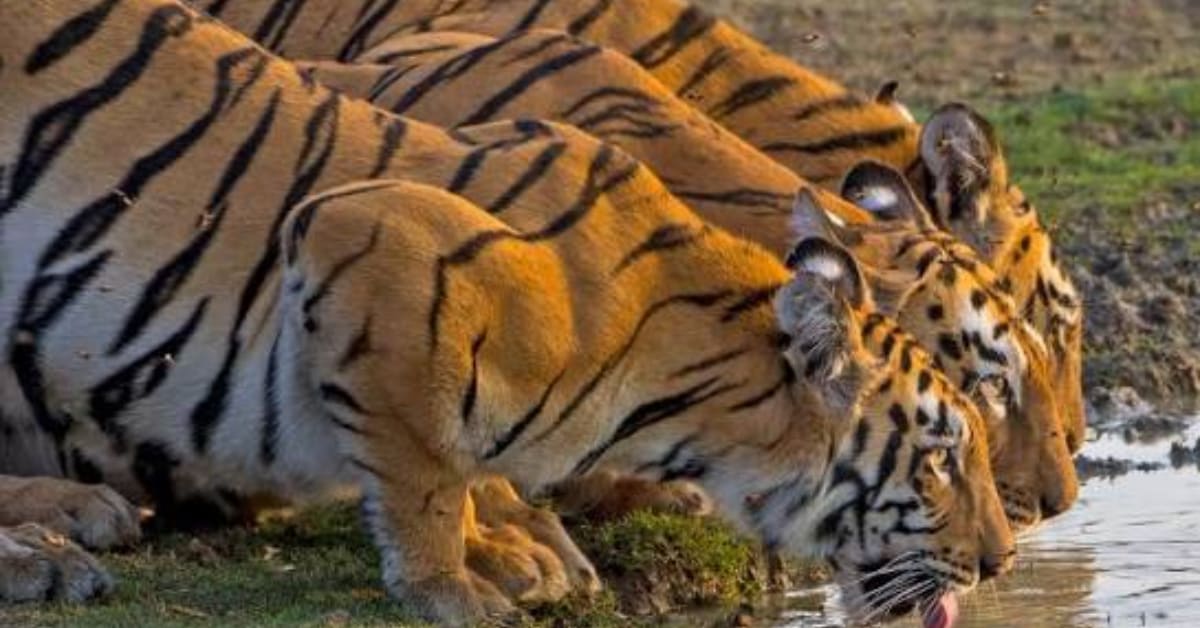
Tigers Thrive in 7 Stunning Habitats Across the Globe
From frozen Russian forests to tropical mangroves, the world's largest cat has mastered some of Earth's most extreme landscapes. This International Tiger Day reveals how saving tigers means protecting our planet's most vital ecosystems.
A tiger padding silently through waist-high grass. Another swimming through mangrove roots as tides rise. A third leaving fresh paw prints in Siberian snow at -30°C.
They're all the same species, just thriving in wildly different worlds.
For centuries, we've pictured tigers in dense jungles. But these incredible cats have adapted to landscapes so dramatically different that they seem designed for entirely separate animals.
The Amur tiger, Earth's largest tiger subspecies, calls the frozen forests of Russia's Far East home. Winter temperatures plunge below -30°C, yet these massive cats survive with thick fur, oversized paws that work like snowshoes, and extra body fat. Their lighter coats blend perfectly with snowy landscapes broken by tree trunks and winter shadows.
Now imagine the complete opposite. The Sundarbans, spanning India and Bangladesh, is the world's largest mangrove forest where Bengal tigers navigate shifting tides and muddy islands crisscrossed by tidal creeks. These tigers are exceptional swimmers, moving easily through salt-tolerant trees and waterways that would drown most big cats.
In India's grassland reserves like Kaziranga and Dudhwa, tall elephant grass grows over four meters high. These wide-open floodplains support dense populations of deer, wild pigs, and buffalo, creating some of the richest wildlife landscapes on Earth alongside rhinos, elephants, and hundreds of bird species.
The Himalayan foothills offer yet another world entirely. In protected areas like Corbett National Park, tigers navigate steep terrain combining river valleys, rocky hills, and mountain streams. Scientists believe these higher-elevation forests could become increasingly important refuges as global temperatures rise.
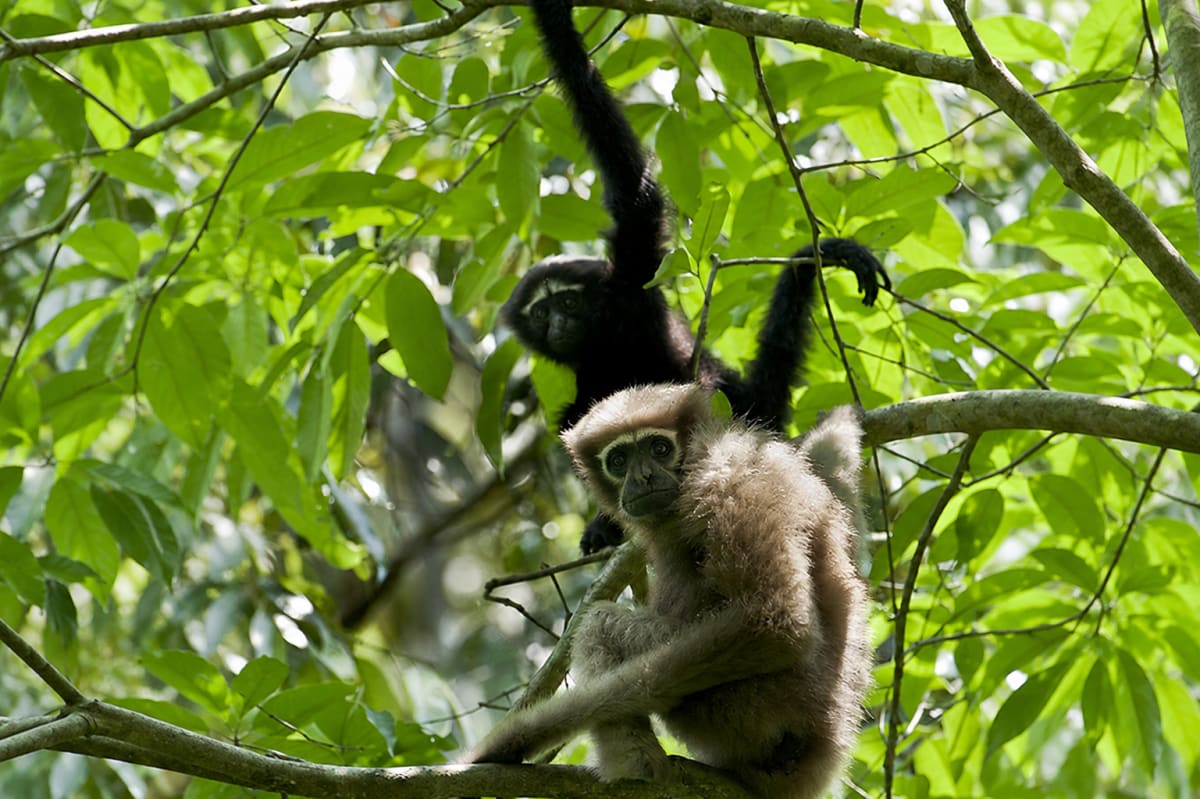
Southeast Asia's ancient rainforests in Thailand, Malaysia, Myanmar, and Indonesia represent some of the oldest ecosystems on our planet. Dense vegetation and year-round rainfall create challenging conditions where tigers need enormous territories because prey is less abundant than in India's grasslands.
The Ripple Effect
A tiger is often called an umbrella species. Protecting it means protecting everything beneath that umbrella: forests that store carbon, wetlands that filter water, grasslands that prevent flooding, and countless other species sharing these habitats.
When conservation efforts focus on maintaining healthy tiger populations, entire ecosystems benefit. The prey animals tigers hunt, the plants those animals feed on, the insects that pollinate those plants, even the soil microbes that keep forests healthy all thrive when tiger habitats remain intact and protected.
From frozen taiga to tropical mangroves, these seven extraordinary habitats prove that saving tigers isn't just about one iconic predator. It's about preserving some of the most biologically rich and ecologically important landscapes our planet has left.
Every tiger territory protected is a victory for biodiversity itself.
More Images
%2Fenglish-betterindia%2Fmedia%2Fmedia_files%2F2026%2F07%2F27%2Ftiger-5-2026-07-27-19-11-17.png)
%2Fenglish-betterindia%2Fmedia%2Fmedia_files%2F2025%2F11%2F20%2Fwild-at-heart-banner-image-microsite-banner-2025-11-20-16-17-04.jpg)
%2Ffilters%3Aformat(webp)%2Fenglish-betterindia%2Fmedia%2Fmedia_files%2F2026%2F07%2F27%2Ftiger-6-2026-07-27-19-23-52.png)
Based on reporting by The Better India
This story was written by BrightWire based on verified news reports.
Spread the positivity!
Share this good news with someone who needs it