TikTok Bans 20 Accounts After BBC Exposes AI Exploitation
When investigative journalists exposed racist AI-generated content exploiting black women, TikTok took swift action by removing 20 accounts within days. The collaborative work between BBC and AI researchers shows how accountability can protect real people from digital harm.
Investigative journalism just scored a major win for digital safety and racial justice online.
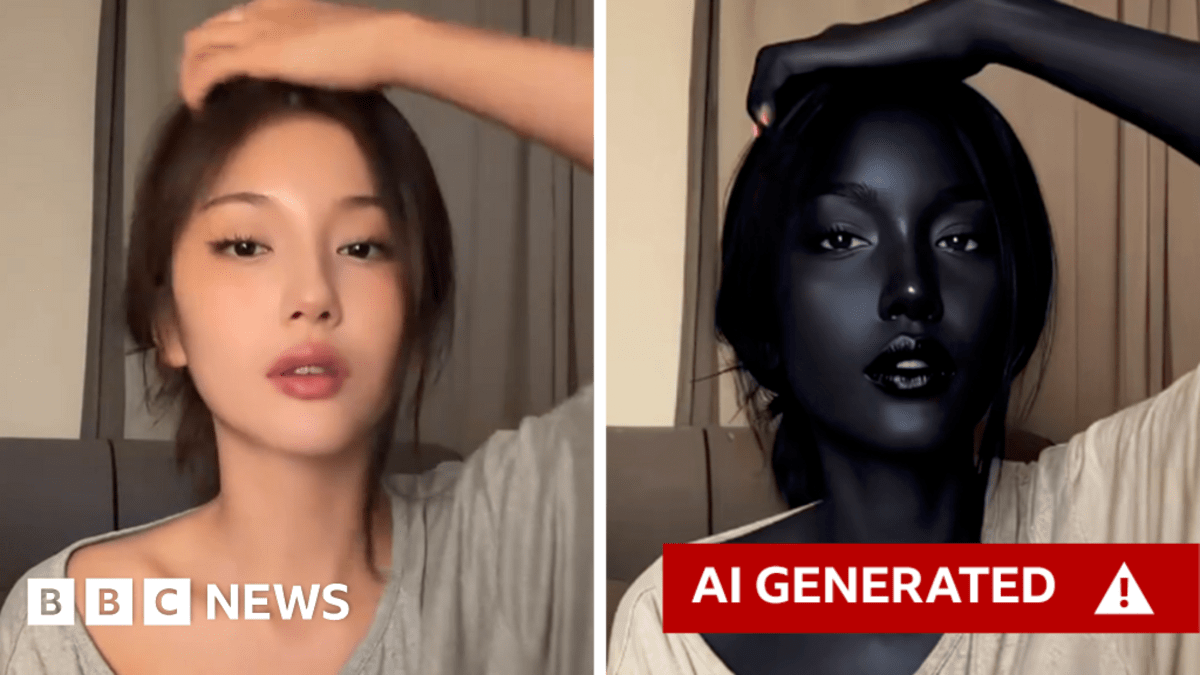
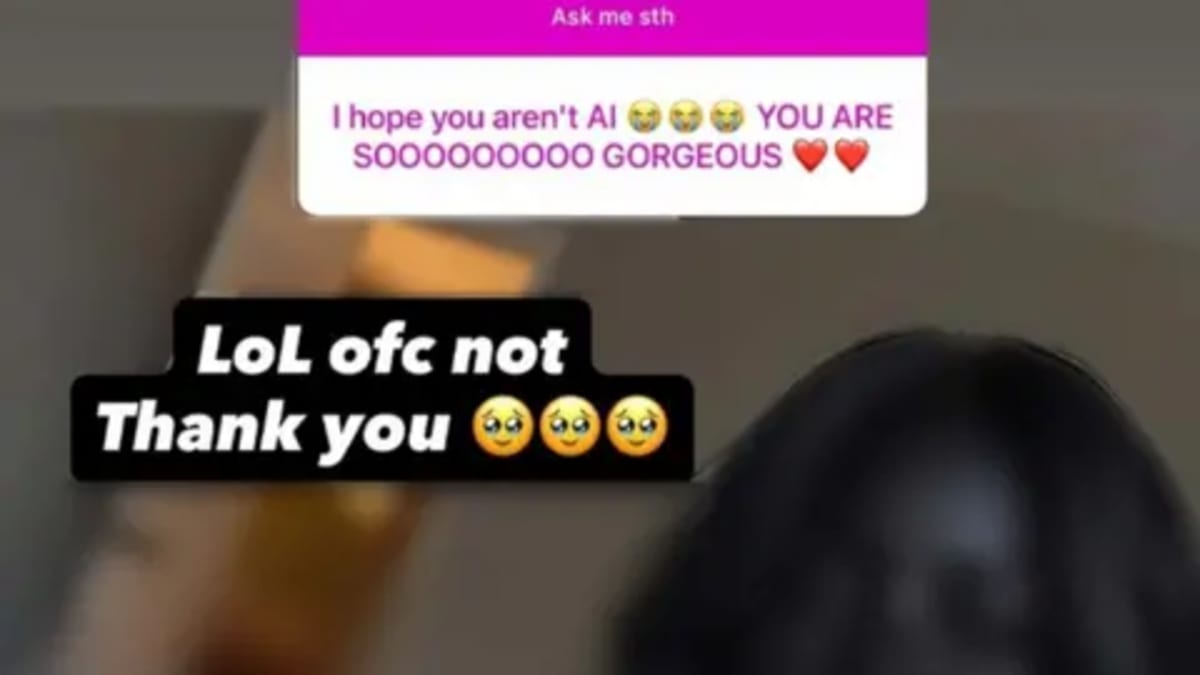
After BBC reporters and independent AI researchers exposed dozens of accounts using fake AI-generated personas of black women to drive traffic to explicit content, TikTok banned 20 accounts within 48 hours. The swift action shows how platforms can respond when harmful content gets the spotlight it deserves.
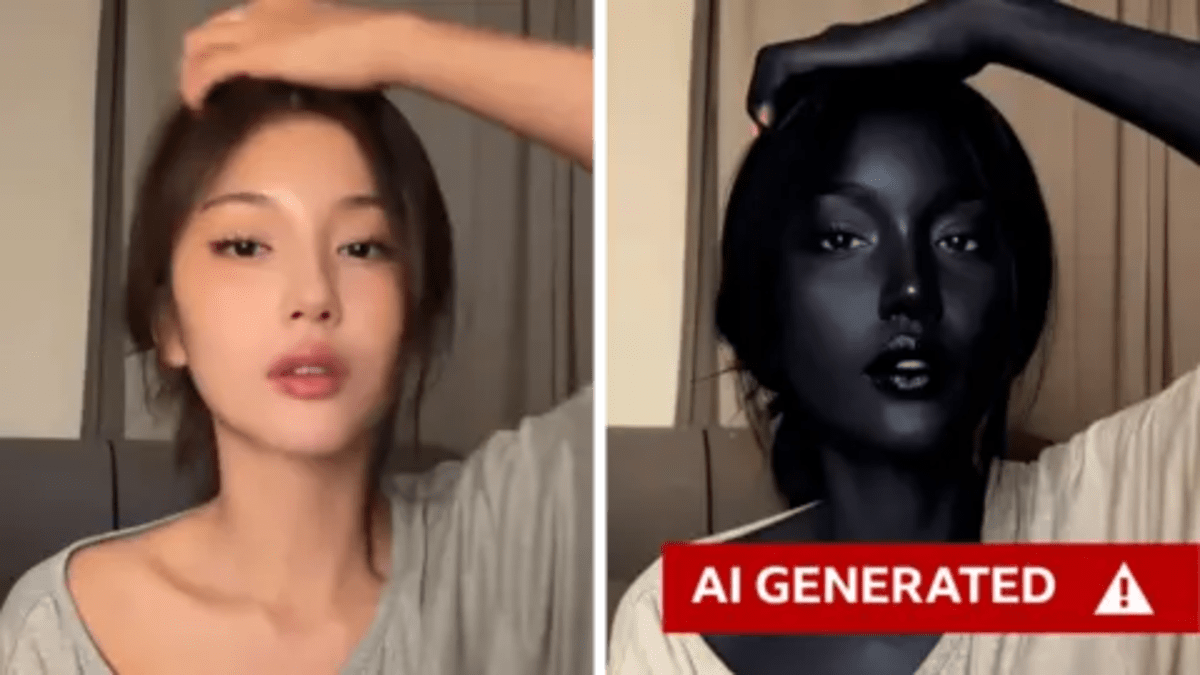
The investigation began when Malaysian model Riya Ulan discovered her videos had been stolen. An AI account had overlaid an artificially generated face onto her body, using her movements and creativity without permission to build a following of three million people in just weeks.
"I was angry," Riya told investigators. She had reported the theft multiple times with no response until journalists got involved.
Researchers Jeremy Carrasco and Angel Nulani from the independent AI publication Riddance partnered with BBC to identify 60 such accounts. The fake personas used racial stereotypes and manipulated images to appear hypersexualized, with creators deliberately avoiding AI disclosure labels required by platform rules.
The Bright Side
The rapid response from TikTok demonstrates that platforms have the tools to remove harmful content when they choose to act. Within days of BBC's inquiry, banned labels appeared on 20 accounts that had collectively reached hundreds of millions of viewers.
The investigation also highlights the growing power of collaborative journalism. By working together, traditional media outlets and independent AI researchers can identify patterns and harms that individual users struggle to address alone.
Content creator Houda Fonone, who advocates for authentic representation of black women online, says exposure of these accounts matters because "our stories and real life experiences" deserve to be seen instead of artificial stereotypes. Her voice and others like Riya's are now being heard.
Meta, Instagram's parent company, told BBC it was investigating the accounts identified on its platform. While action there remains pending, the conversation has started about protecting real creators and communities from AI exploitation.
The case proves that accountability still works in the digital age. One journalist asking the right questions at the right time can protect millions of people from deceptive and harmful content.
More Images
Based on reporting by BBC Technology
This story was written by BrightWire based on verified news reports.
Spread the positivity!
Share this good news with someone who needs it