Tiny 2-Pound Dinosaur Solves 90-Million-Year Mystery
Scientists discovered a nearly complete skeleton of a bird-like dinosaur in Argentina that's rewriting how we understand evolution. The fossil reveals these creatures shrank before developing their specialized features, solving a puzzle that stumped researchers for decades.
A chicken-sized dinosaur from Patagonia is answering questions scientists have been asking for generations about how tiny creatures shaped the prehistoric world.
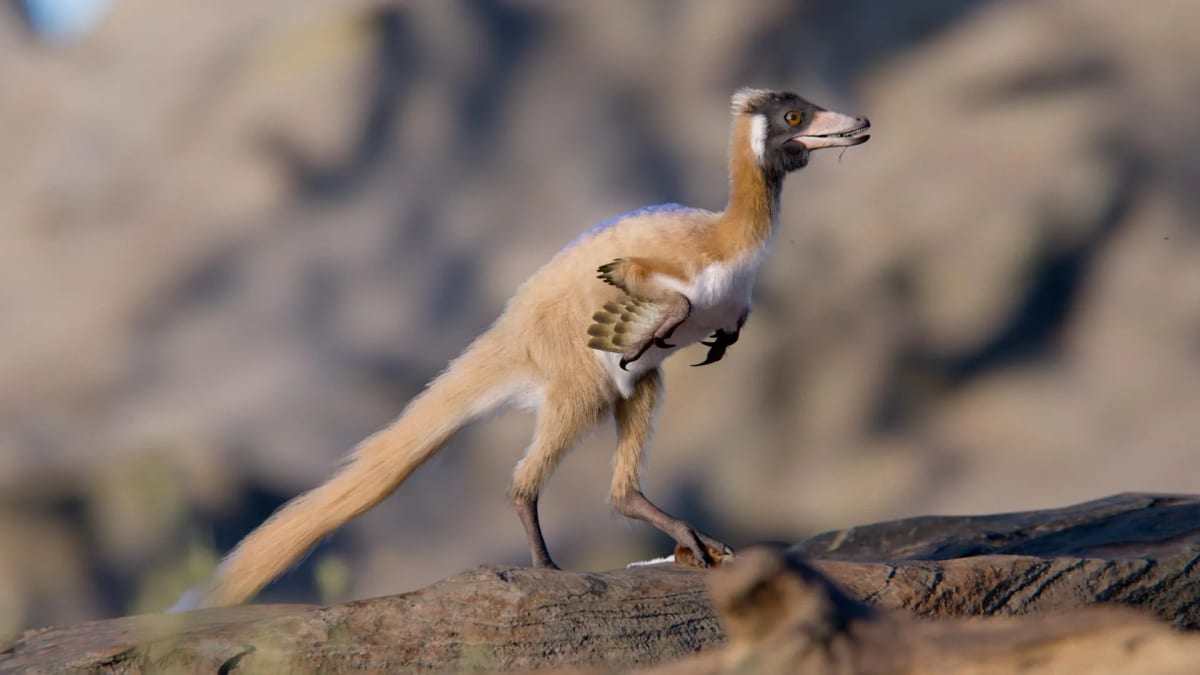
Researchers led by University of Minnesota professor Peter Makovicky discovered an almost complete skeleton of Alnashetri cerropoliciensis, a peculiar bird-like dinosaur that lived 90 million years ago. Weighing less than two pounds, this little creature is one of the smallest dinosaurs ever found in South America.
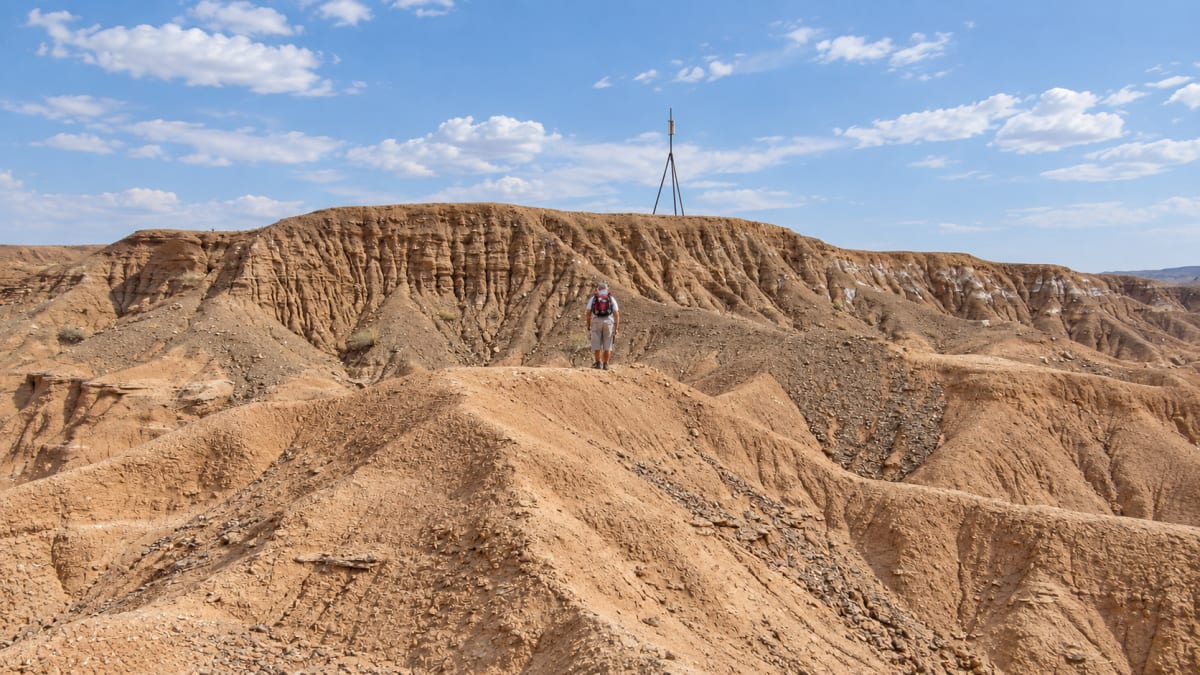
The fossil came from northern Patagonia's La Buitrera site, famous for exceptionally preserved ancient animals. While scientists first named the species years ago based on bone fragments, this new skeleton provided the clearest picture yet of how these bizarre animals actually looked and lived.
What makes this discovery special isn't just the dinosaur's size. The skeleton shows that Alnashetri belonged to alvarezsaurs, a mysterious group known for tiny teeth and unusually short arms ending in a single enlarged thumb claw. For decades, paleontologists struggled to understand these animals because most well-preserved fossils came from Asia, leaving huge gaps in their evolutionary story.
The team spent ten years carefully cleaning and assembling the delicate bones. Their patience paid off with stunning insights into how these dinosaurs evolved.
Alnashetri had longer arms and larger teeth than its later relatives, proving something remarkable: these dinosaurs became tiny first, then developed the specialized features scientists believe they used for eating ants. This challenges what researchers previously thought about how species adapt to their environments.
Microscopic bone examination revealed the animal was fully grown and at least four years old. These dinosaurs stayed small their entire lives, with even the largest members only reaching average human size compared to their gigantic relatives.
The Ripple Effect
By studying additional fossils in museums across North America and Europe, the team discovered these animals appeared much earlier than anyone realized. Their widespread distribution happened when continents were still connected as the supercontinent Pangaea, explaining how they ended up scattered across the modern globe without crossing oceans.
"Going from fragmentary skeletons that are hard to interpret to having a near complete animal is like finding a paleontological Rosetta Stone," Makovicky explained. The discovery now gives scientists a reference point for identifying incomplete fossils and mapping evolutionary transitions.
The La Buitrera site keeps delivering treasures, having previously revealed early snakes and small saber-toothed mammals. More discoveries are already being prepared in the lab, promising new chapters in understanding these unusual creatures.
This tiny dinosaur proves that sometimes the smallest discoveries unlock the biggest mysteries about our planet's incredible past.
Based on reporting by Science Daily
This story was written by BrightWire based on verified news reports.
Spread the positivity!
Share this good news with someone who needs it