Tiny 90M-Year-Old Dino Fossil Solves Evolution Mystery
Scientists discovered a nearly complete fossil of a tiny bird-like dinosaur in Argentina that finally explains how a mysterious group of prehistoric animals evolved. The breakthrough ends decades of confusion and opens new chapters in understanding how dinosaurs spread across ancient Earth.
A near-perfect fossil the size of a housecat is solving one of paleontology's longest mysteries.
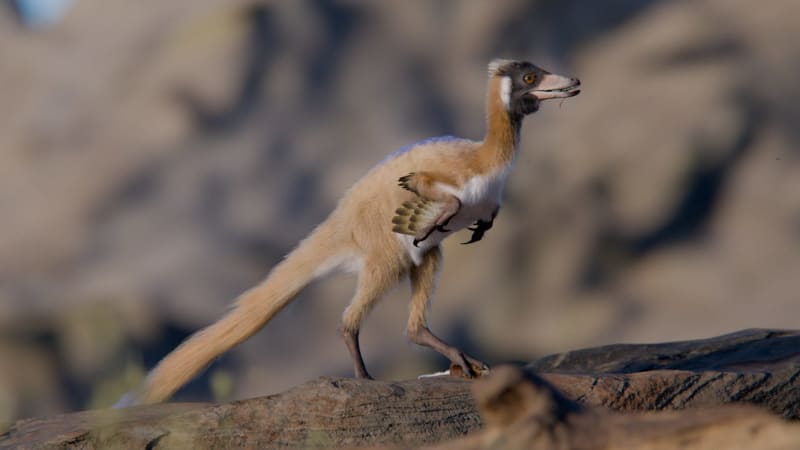
In 2014, researchers unearthed an almost complete skeleton of Alnashetri cerropoliciensis in northern Patagonia, Argentina. This tiny bird-like dinosaur lived 90 million years ago and weighed less than two pounds, making it one of the smallest dinosaurs ever found in South America.
The discovery matters because Alnashetri belongs to Alvarezsaurs, a puzzling group of dinosaurs famous for their stubby arms with single thumb claws and tiny teeth. For decades, scientists struggled to understand these creatures because most well-preserved fossils came from Asia while South American finds were too fragmentary to interpret properly.
Professor Peter Makovicky from the University of Minnesota Twin Cities, who led the international team with Argentine colleague Dr. Sebastian Apesteguía, called the specimen a "paleontological Rosetta Stone." The reference fits perfectly because just as the real Rosetta Stone unlocked ancient languages, this fossil unlocked understanding of an entire dinosaur lineage.
The team spent ten years carefully preparing and piecing together the delicate bones to avoid damage. Their patience paid off with surprising revelations about how these dinosaurs evolved.
Unlike its later relatives, Alnashetri had long arms and larger teeth. This proved that some Alvarezsaurs became tiny long before they developed the specialized stubby arms thought to be adaptations for eating ants.
Microscopic bone analysis confirmed the specimen was at least four years old when it died. While the largest Alvarezsaurs reached human size (very small for dinosaurs), Alnashetri remained especially petite throughout its life.
Why This Inspires
This discovery shows how one complete puzzle piece can illuminate an entire picture. Scientists can now accurately identify fragmentary fossils that previously made no sense and map out how these creatures evolved, shrank, and spread worldwide after the supercontinent Pangea broke apart.
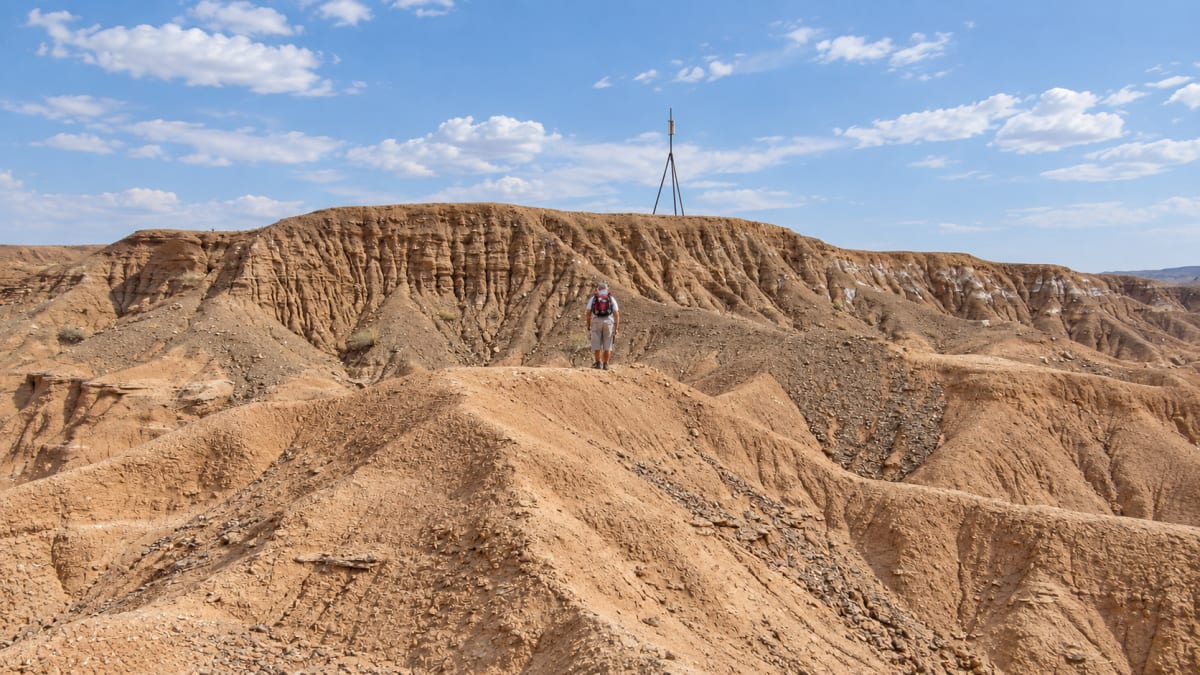
The breakthrough also highlights the value of patience and international collaboration in science. Twenty years of careful excavation at the La Buitrera fossil site in Argentina has transformed our understanding of small dinosaurs and ancient vertebrates across South America.
Makovicky shared exciting news: the next chapter of the Alvarezsaur story is already in the lab being prepared right now. Each discovery builds on the last, creating momentum that pushes knowledge forward.
This tiny fossil reminds us that sometimes the smallest discoveries unlock the biggest answers.
Based on reporting by Good News Network
This story was written by BrightWire based on verified news reports.
Spread the positivity!
Share this good news with someone who needs it