Tiny Algae Cools Aussie Homes by 3°C Without AC
Australian researchers have turned slimy green algae into a revolutionary cooling system that drops room temperatures by 3 degrees without air conditioning. The breakthrough could slash energy bills across hot climates while cleaning the air. #
Imagine cutting your air conditioning costs while making the air cleaner and bathing your home in calming green light. That's exactly what Australian researchers have achieved using one of nature's most underrated organisms: algae.
At Murdoch University's Algae Innovation Hub in Western Australia, PhD student Amin Mirabbasi has spent three years perfecting something called photobioreactors. These water-filled glass panels contain floating microalgae that work like living air conditioners.
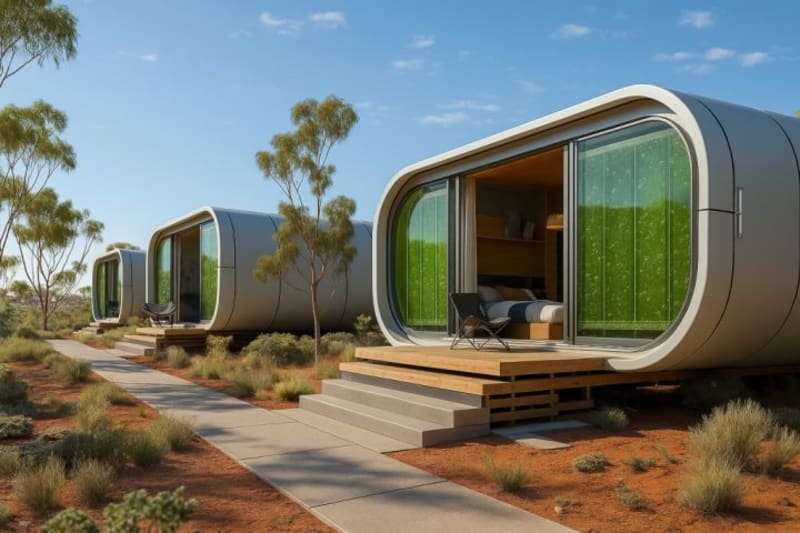
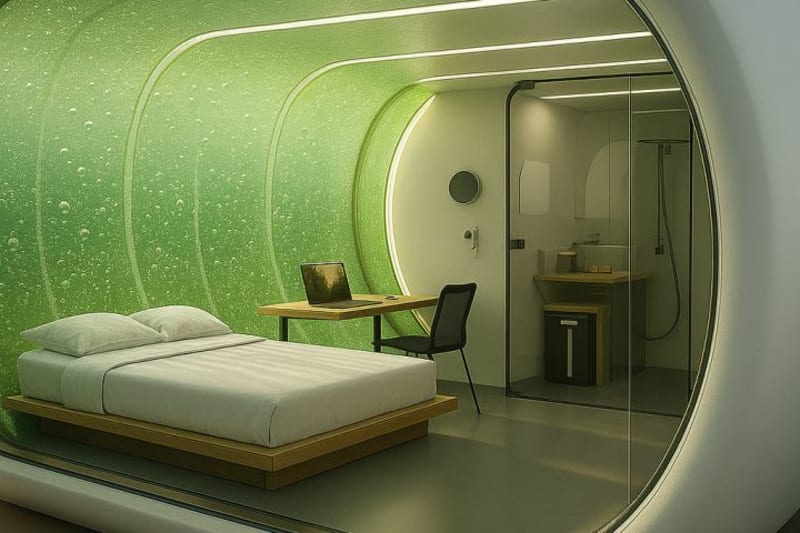
The translucent green panels look stunning, similar to stained glass windows. But their real magic happens in the science: they absorb solar heat, provide shade, capture carbon dioxide, and pump out fresh oxygen all at once.
Mirabbasi tested his invention by setting up identical rooms in mining dongas, those prefab buildings common in remote work sites. One room got standard windows, the other got algae-filled panels. The algae room stayed three degrees cooler during the hottest part of the day.
Three degrees might not sound like much, but it's enough to dramatically reduce air conditioning use during peak hours. In Western Australia's scorching climate, that means real savings on energy bills.
The secret lies in microalgae's superpower: they grow incredibly fast and breathe better than regular plants. One gram of microalgae removes 1.8 grams of carbon dioxide and produces 1.3 grams of oxygen, working 10 to 50 times harder than land plants.
Mirabbasi drew inspiration from European projects in Germany and France that used similar technology a decade ago. But Western Australia's abundant sunshine gives his version a serious advantage over colder climates where the algae need constant warming.
The ocean already provides at least 50 percent of the oxygen we breathe through marine plants converting carbon dioxide via photosynthesis. Mirabbasi's panels simply bring that process into our buildings.
The Ripple Effect
This breakthrough could transform how Australia builds homes, apartments, and remote worker accommodation in hot regions. Mining companies operating in Western Australia's harsh interior are already taking notice, seeing potential to keep workers comfortable while cutting massive cooling costs.
The technology also addresses multiple environmental challenges simultaneously. While traditional air conditioning guzzles electricity and contributes to climate change, these panels actively remove carbon from the air while producing oxygen and reducing energy demand.
The panels can be incorporated into existing building facades, making retrofitting older structures possible. As Australia faces rising temperatures and pressure to reduce emissions, solutions that deliver comfort without environmental cost become increasingly valuable.
What started as academic research is now pointing toward a future where our buildings don't just shelter us but actively improve the air we breathe. And it all comes from those microscopic green organisms that pool owners love to hate.
#
More Images



Based on reporting by Google News - Australia Breakthrough
This story was written by BrightWire based on verified news reports.
Spread the positivity!
Share this good news with someone who needs it