Tiny Australian Town Hits 68% Solar in Energy Revolution
A small Victorian town has cracked the code on community-powered renewable energy, achieving solar installation rates more than double the national average. Their secret? Local ownership and kitchen table decisions.
📺 Watch the full story above
In Yackandandah, Australia, the rooftops tell a story that energy companies are still trying to figure out. This tiny tourist town in Victoria's north-east has quietly achieved what seemed impossible: getting 68% of homes to install solar panels without government mandates or corporate mega-projects.
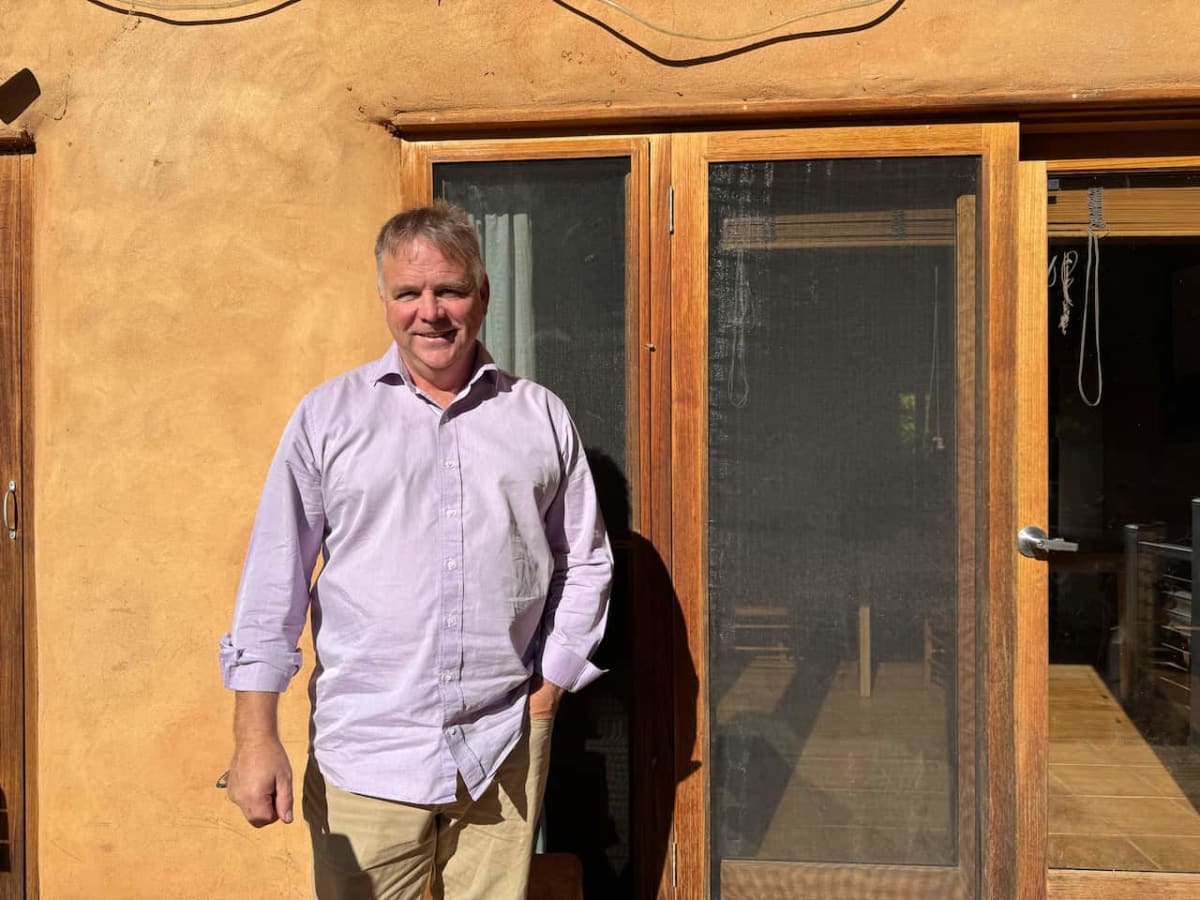
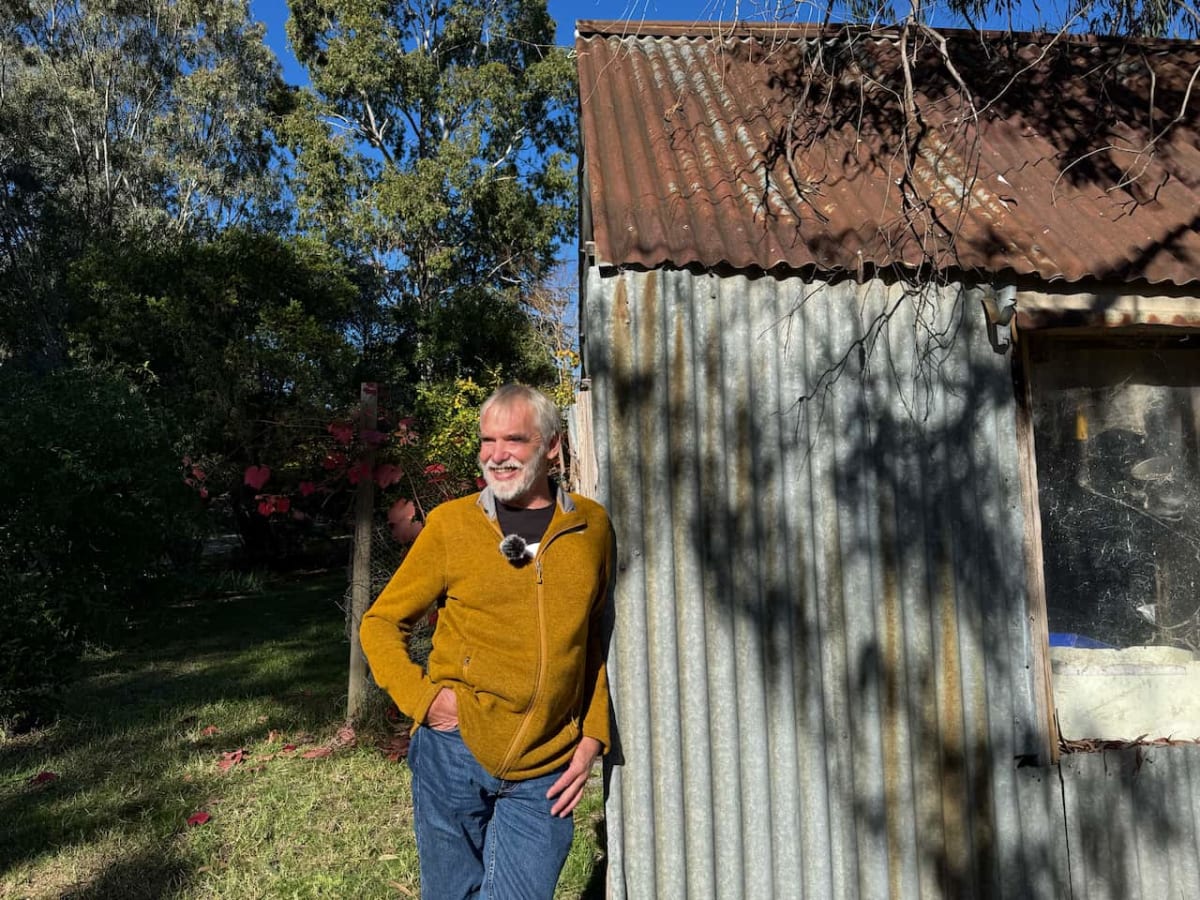
The transformation started in 2014 when Matt Charles-Jones, who lives in a house made of straw, co-founded Totally Renewable Yackandandah (TRY). His mission was simple: get the whole town running on 100% renewable energy, one rooftop at a time.
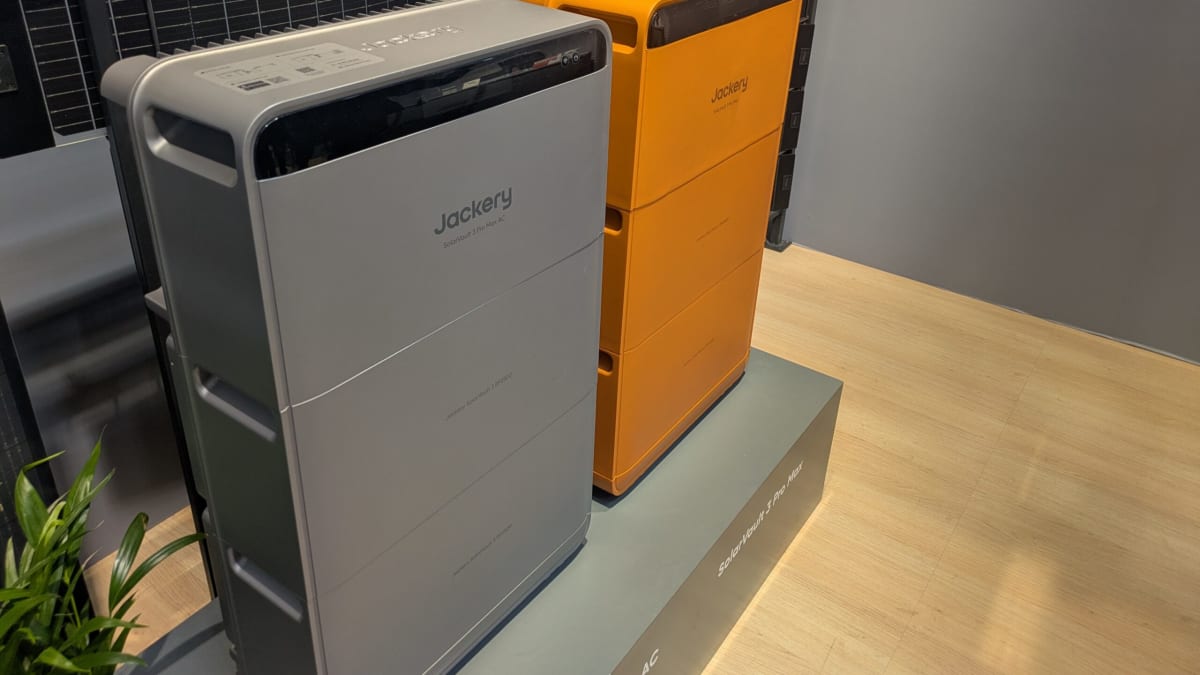
Today, Teslas park outside the pie shop. The postie delivers mail on an electric bike. The local cemetery runs its electric mowers on solar power stored in batteries mounted on their building's roof.
Charles-Jones says the real breakthrough wasn't technology. It was democratizing energy from the ground up. "You can do it at a very localized scale and get an immediate benefit from it," he tells SBS News over peppermint tea in his ultra-insulated straw home.
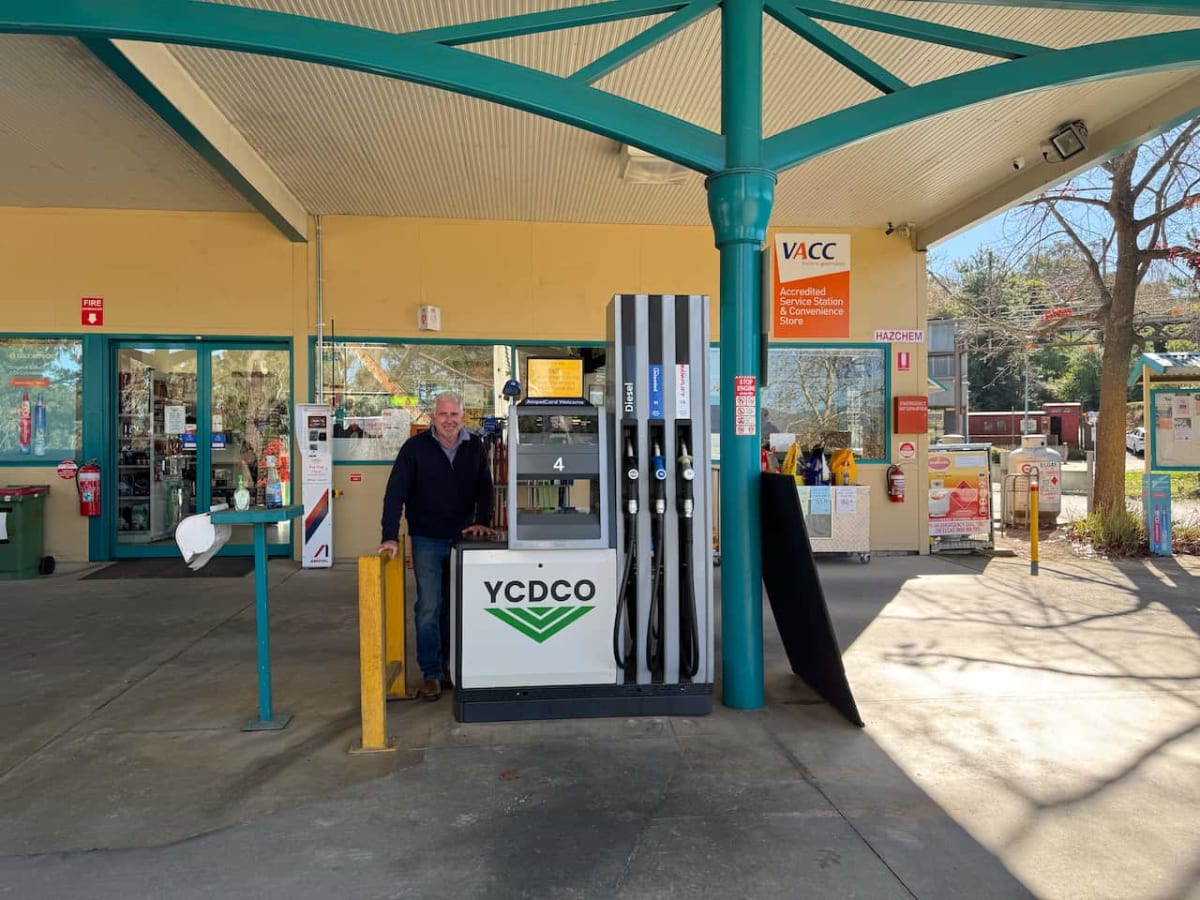
The town's approach builds on a philosophy they've practiced for decades. In 2002, when their only petrol station faced closure, residents bought it themselves. Today, half the profits fund community projects like netball court resurfacing and the town's new electric vehicle charger.
That same principle of keeping money local now applies to electricity. Instead of sending payments to distant corporations, Yack keeps energy dollars circulating in town.
Former mechanic Russell Klose embodies the shift. After spending decades importing performance cars from Japan, he now sells second-hand electric vehicles. His pitch to skeptics focuses on wallets, not the environment. "Electric vehicles make good financial sense," he says. "The performance is phenomenal. The cost of ownership is great."
The Ripple Effect
Yackandandah's solar adoption rate sits at 68%, more than double Australia's national average of one in three households. In some streets where TRY ran targeted programs, that number climbs to 80%.
TRY president Blake Edwards notes that motivations have evolved over the organization's 12 years. Early adopters cared about climate action. Now, newcomers want to cut their power bills. Both groups end up in the same place: panels on their roofs, money in their pockets, and emissions in decline.
The creativity extends beyond solar. A local veggie grower delivers produce on an electric cargo bike. The garden club waters plants using an electric wheelbarrow. Each innovation proves that renewable energy isn't just for tech hubs or wealthy suburbs.
Charles-Jones believes the model works because it doesn't wait for big investments from big companies with big government money. Instead, it trusts neighbors to make smart decisions around their own kitchen tables.
The town proves that Australia's energy future might not require massive infrastructure projects or political battles—just communities willing to reimagine what's possible when they take power into their own hands.
More Images

Based on reporting by SBS Australia
This story was written by BrightWire based on verified news reports.
Spread the positivity!
Share this good news with someone who needs it