Tiny Chip Monitors Air Quality Without Moving Parts
Engineers created a 15mm chip that analyzes air pollutants using heat instead of mechanical pumps, bringing lab-quality gas testing to your home. The breakthrough could transform industrial safety monitoring and help families track indoor air quality affordably.
After 25 years of trying, scientists just cracked a problem that could bring professional-grade air quality testing into every home and factory.
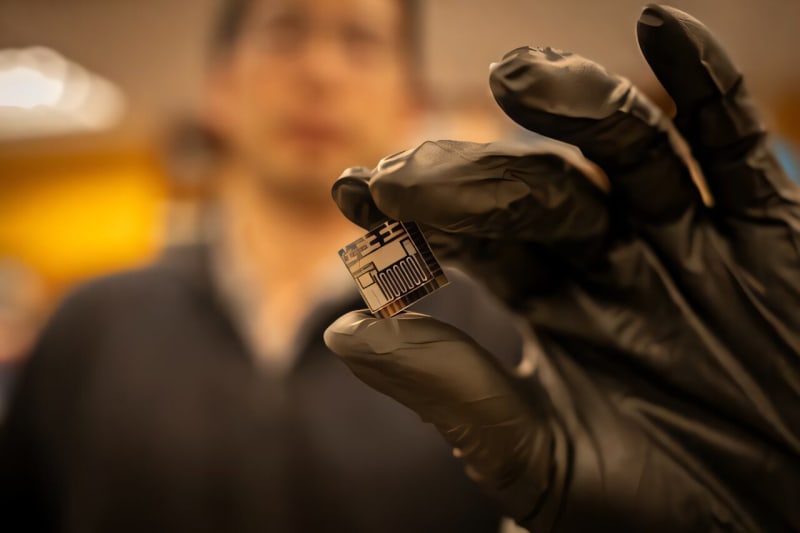
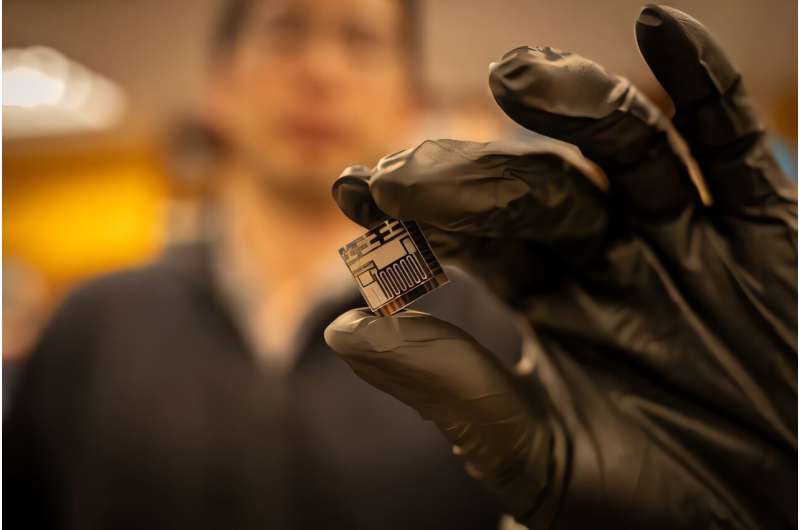
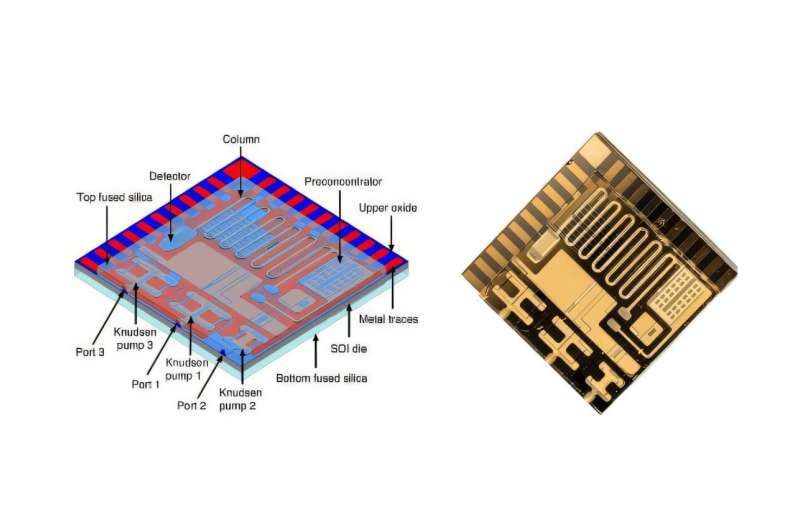
University of Michigan engineers created the first gas analysis system that fits everything onto a single fingernail-sized chip. No external pumps, no valves, no moving parts that can break down.
The secret? Knudsen pumps that use simple temperature differences to push air molecules through channels narrower than a human hair. When one side heats up and the other stays cool, gas naturally flows from cold to hot through these ultra-narrow passages.
"What surprised me was how little gas flow we needed to achieve the results that we did," said Yogesh Gianchandani, professor of electrical and computer engineering at U-M. Traditional systems gulp down significantly more air to get clear readings.
The 15-by-15 millimeter chip successfully identified and measured chemicals in four different test mixtures with accuracy within 6.5 to 8.5 percent. It worked in humidity levels from bone-dry to completely saturated, proving it can handle real-world conditions.
Each test took just 12 minutes from start to finish: two minutes to sample the air, ten to separate and identify what's in it. That's fast enough for continuous monitoring without draining power or requiring constant attention.
The technology tackles a real need. Gas chromatography has been the gold standard for detecting volatile organic compounds for decades, but the equipment typically fills entire laboratory benches. Recent miniaturization brought it down to briefcase size, but separate pumps and valves still meant high costs and frequent failures at connection points.
The Ripple Effect
This single-chip design changes the economics completely. Lower manufacturing costs mean industrial partners can afford to blanket facilities with monitors, catching chemical leaks or process problems immediately instead of during scheduled checks.
For everyday people, it opens the door to affordable home air quality monitors that actually tell you what you're breathing. No more vague readings or color-coded warnings. You'll know exactly which chemicals are present and at what levels.
The chip handles humidity extremes and supports low-power modes for months-long monitoring. That durability makes it practical for natural gas pipeline safety, pharmaceutical manufacturing quality control, and environmental monitoring stations in remote locations.
Looking ahead, the research team envisions medical applications too. Breath analysis could catch diseases early through non-invasive testing. Imagine a smartwatch that monitors your breath chemistry throughout the day, alerting you to potential health issues before symptoms appear.
The monoGSA system is ready to leave the lab and start field testing now.
Clean air monitoring just got smaller, smarter, and accessible to everyone who needs it.
More Images

Based on reporting by Phys.org - Technology
This story was written by BrightWire based on verified news reports.
Spread the positivity!
Share this good news with someone who needs it