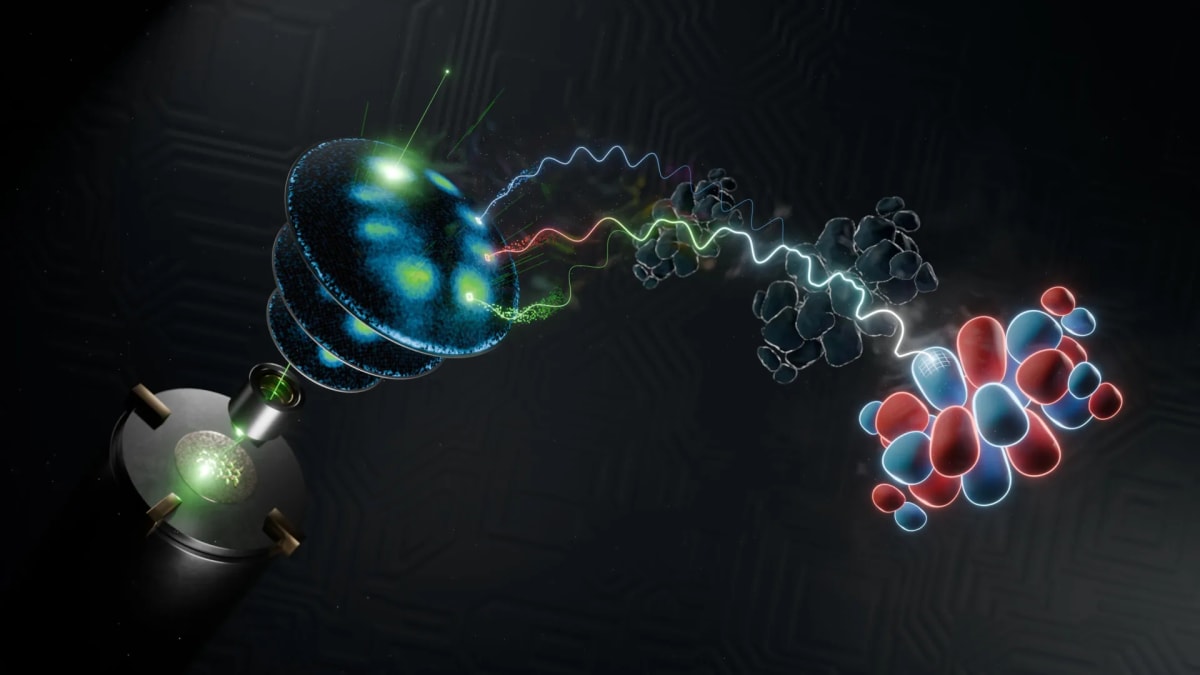
Tiny Chip Tests Blood Quality in 2 Minutes
Scientists created a dime-sized device that checks if donated blood is still safe to use, potentially saving lives by catching weak blood before transfusion. The chip uses sound waves to stress-test red blood cells through a smartphone.
Every year, millions donate blood to save lives, but hospitals face a hidden problem: not all stored blood ages the same way.
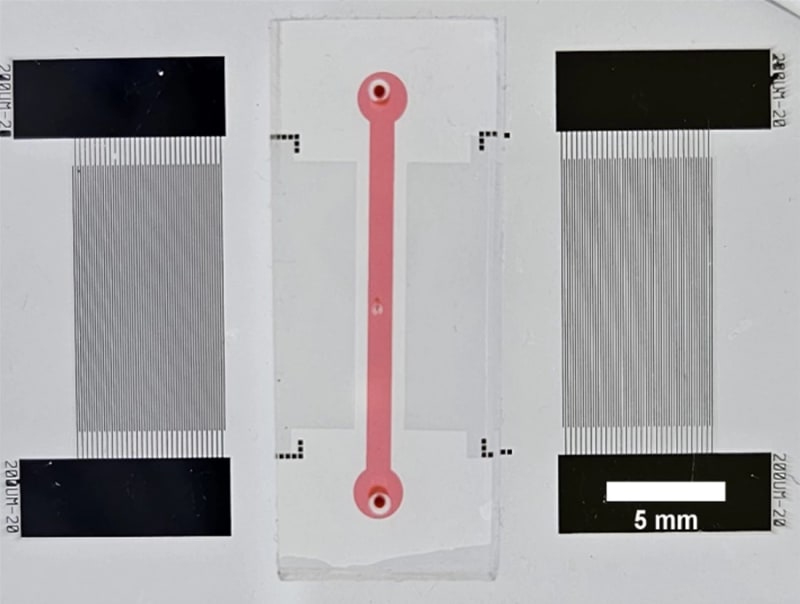
Researchers at the University of Colorado Boulder and Anschutz just invented a solution that could revolutionize blood safety. They created a tiny chip, the size of a dime, that plugs into a smartphone and tests blood quality in just two minutes.
Here's why this matters. Donated red blood cells can be refrigerated for up to 42 days, but they don't all stay healthy that long. Some blood weakens faster depending on the donor's age, metabolism, and lifestyle. Hospitals currently lack quick, affordable ways to catch this before transfusion.
The new device works like a stress test for blood cells. A drop of blood goes on the chip, which generates acoustic waves that vibrate and heat the cells until they break. Healthy cells withstand more stress. Weak cells fail faster.
Associate Professor Xiaoyun Ding explained the vision: "It could use your phone's camera and an app to read out the results in just two minutes."
During testing, the team tracked blood from multiple donors over the full 42-day storage period. The results revealed dramatic differences. Some donor blood lost quality well before the expiration date, while other samples stayed strong longer.
The acoustic vibration proved essential. When researchers tried using heat alone, they couldn't detect the donor-specific differences that make this technology valuable.
Why This Inspires
This invention puts precision where it matters most: at the patient's bedside. Instead of relying on expiration dates alone, hospitals could soon test every blood unit before transfusion.
The technology opens doors beyond blood storage too. Doctors could use the same approach to check protein levels or measure other vital blood factors. Patients receiving transfusions could get stronger, fresher blood matched to their specific needs.
The research team is working toward widespread hospital adoption, turning a complex laboratory process into something as simple as checking your phone.
Better blood testing means better patient outcomes, fewer wasted donations, and lives saved through smarter science.
More Images


Based on reporting by New Atlas
This story was written by BrightWire based on verified news reports.
Spread the positivity!
Share this good news with someone who needs it